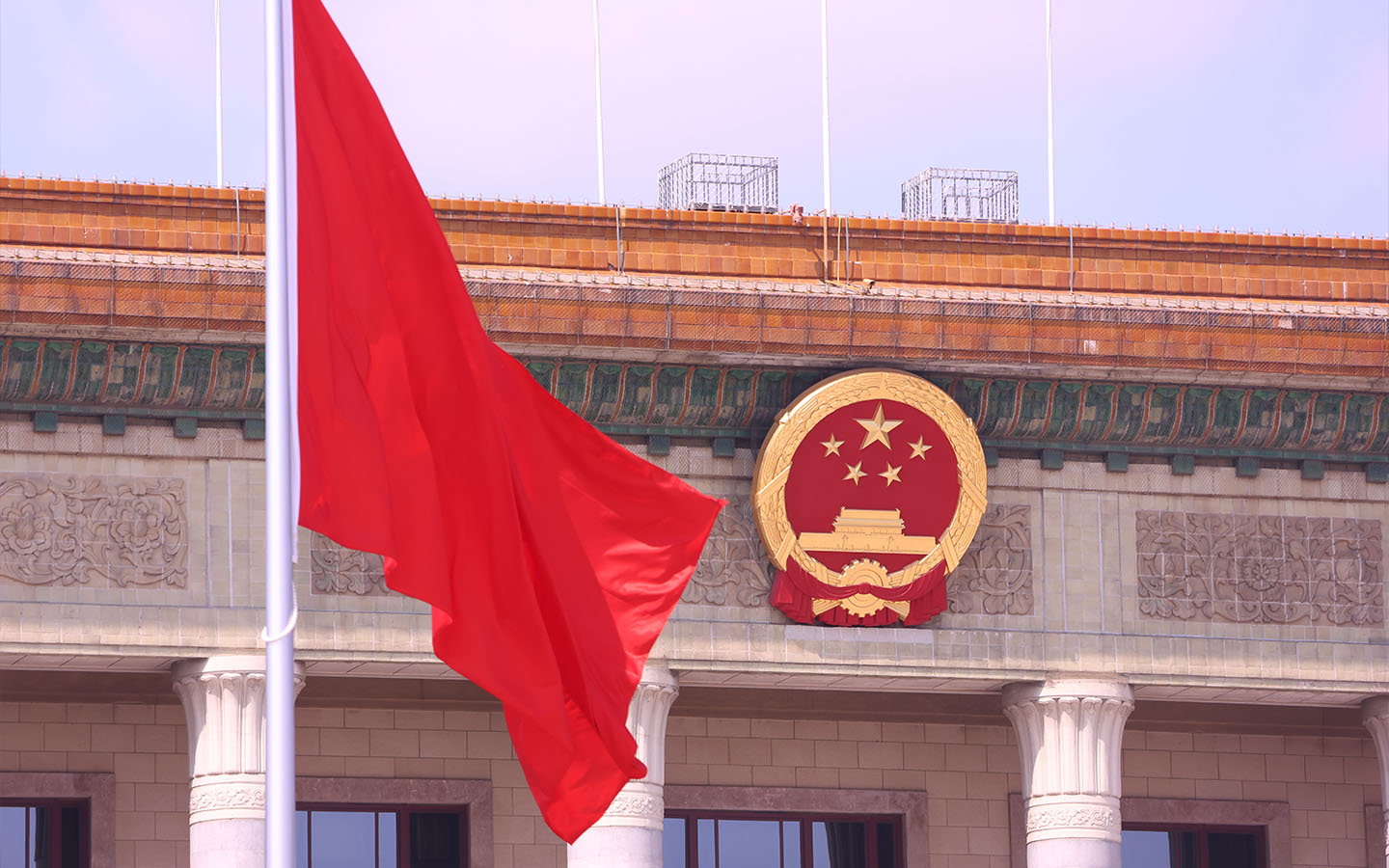
China’s annual “Two Sessions” meetings are set to open in Beijing today and tomorrow, with policymakers expected to unveil growth targets and a new five-year development blueprint that will shape the country’s economic trajectory to 2030.
The gatherings of the National People’s Congress (NPC) and the Chinese People’s Political Consultative Conference (CPPCC) come as China rolls out its 15th Five‑Year Plan for 2026 to 2030, a period officials describe as critical to “basically realizing socialist modernization” by 2035. Lawmakers will review the outline of the new plan alongside Premier Li Qiang’s Government Work Report, which will set headline economic targets and policy priorities for 2026.
Analysts expect Beijing to frame this year as a “strong start” to the new plan, with an emphasis on high‑quality growth rather than headline speed. Market economists widely forecast a GDP target in the 4.5 to 5 percent range, down from the “around 5 percent” goal of recent years, alongside a fiscal stance that keeps the deficit ratio near 4 percent of GDP while relying on more targeted stimulus.
Policy signals are likely to focus on three themes: boosting domestic demand, accelerating technology self‑reliance, and advancing green, low‑carbon development. Officials have flagged expanded initiatives to spur consumption, including measures to raise household incomes, promote services spending and support “trade‑in” schemes for big‑ticket goods, as consumption’s contribution to growth continues to rise.
[See more: China’s new powerhouse: Shenzhen outperforms Beijing and Shanghai]
In industry and innovation, the new plan is expected to deepen support for “new quality productive forces” – advanced manufacturing and frontier technologies ranging from semiconductors and artificial intelligence to quantum science and new energy.
Beijing is also set to reiterate commitments to build a unified national market, strengthen supply‑chain resilience and channel more resources into basic research as it navigates ongoing technology frictions with the West. Climate and energy will remain core planks, with the government signalling faster progress towards peaking carbon emissions before 2030 and expanding sectors such as smart grids, hydrogen and green fuels.
At the same time, officials have referred to further opening‑up steps focused on services, foreign investment access and Belt and Road cooperation, framing China as a continuing “powerhouse of global growth” even as it leans more on domestic engines.
For investors and businesses around the Greater Bay Area, the meetings will offer detailed clues on how Beijing intends to balance growth, reform and security in the coming five years – and which sectors stand to benefit most from the next wave of policy support.