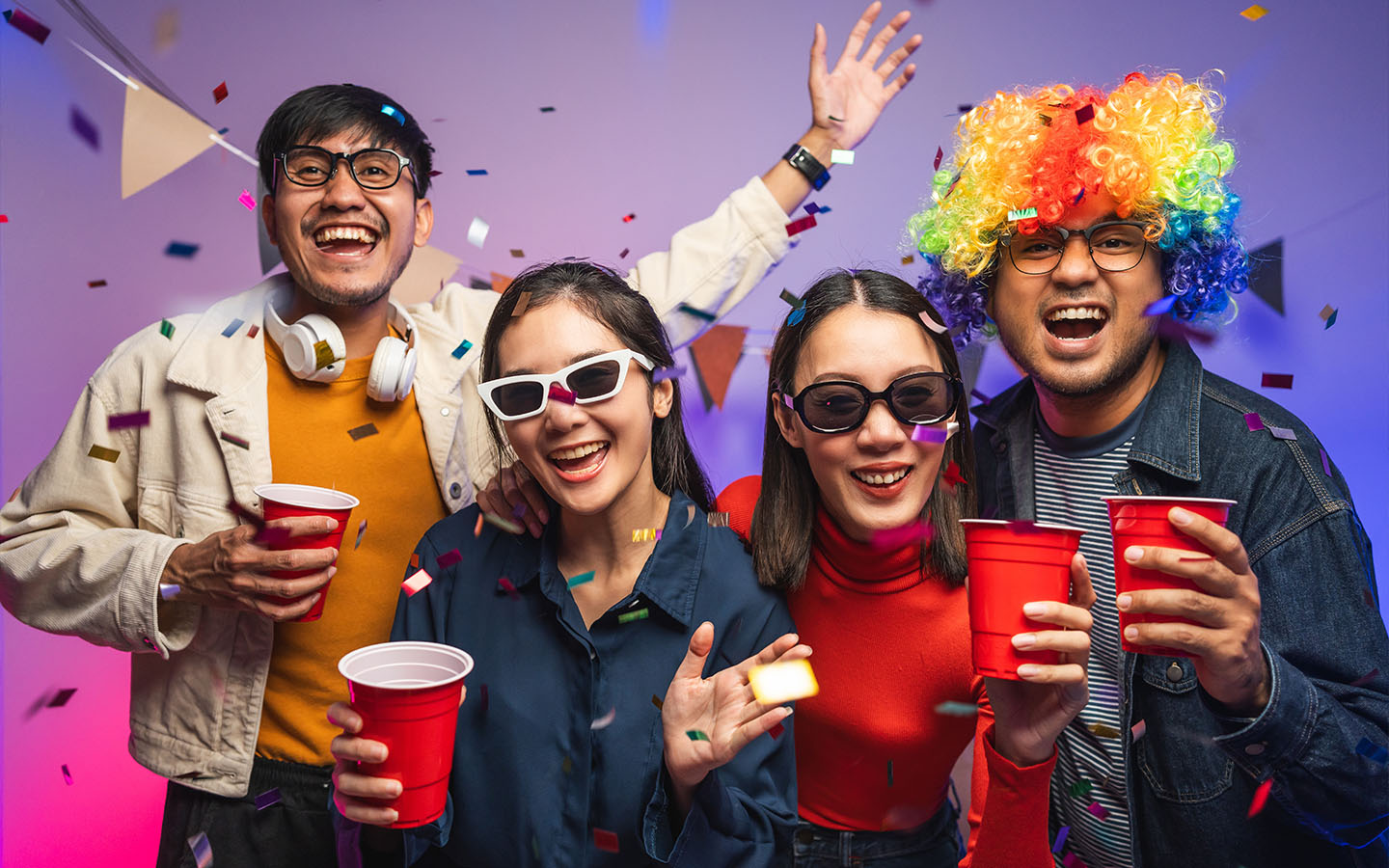

On 31 December, people around the globe will mark the New Year with a host of events, including fireworks, countdowns and traditional rituals. For many, the celebration will invariably mean indulging in good food and strong drinks, as well as partying into the early hours of New Year’s Day.
While these pastimes certainly make for a memorable and enjoyable evening, they can also leave revellers stricken with a debilitating hangover as 2026 gets underway, paying the price with a host of unpleasant symptoms ranging from throbbing headaches to fatigue.
[See more: Here are 6 ways to make New Year resolutions work]
To find out more about how your body reacts to the strain from a night of New Year’s celebrations, we spoke to two Macao experts – Jacky Ho of the University of Saint Joseph, and Angelina Vong of Kiang Wu Hospital. Both professionals also share ways to reduce harm to your body after a long night of festivities.
The interviews have been edited for brevity and clarity
The sleep expert
Jacky Ho is the Dean of the Faculty of Health Sciences at the University of Saint Joseph, specialising in research relating to sleep science, gerontology and dementia.
What happens to your body when you stay up way past midnight?
If you’re talking about a person who has a regular sleep time on a daily basis and it’s just that, because of the festivities, he somehow sleeps at 5 o’clock or 6 o’clock in the morning, this is called short-term or transient sleep deprivation.
If you’re talking about the effects on the body, of course, you will feel it because your attention span will be reduced, your heart rate will pump up and your memory will fade because you don’t have the energy to sustain the body in the short-run.
[See more: Here are five unique New Year traditions from around the world]
Of course, [short-term sleep deprivation] causes a sudden hormonal reaction to the body that will actually influence the immune system. That’s why some people, when they have drinks or a good time for two or three nights in a row, they will easily get sick because of the reduced response of the immune system. The body will need some time to recover. The younger the age group, the faster the recovery.
What can be done to help your body recover after a long New Year’s Eve party?
Make sure you keep your body hydrated and avoid using a sauna or doing heavy, intensive exercise. Your body has already undergone a lot of strain during New Year’s Eve. [Allow] the optimum amount of time for rest and to align your body clock back to the regular schedule.
How many hours of sleep should you strive for each night?
The World Sleep Society and the World Health Organisation have put up recommendations of sleeping hours according to different age groups. But it’s quite sad that the majority of us are unable to follow the recommendations [due to work and family commitments].
[See more: These are the predictions for 2026, according to AI]
Instead of having a recommended sleep duration, I think people should focus more on getting a better quality of sleep instead of sleeping eight or ten hours.
The food and alcohol expert
Angelina Vong is a registered dietitian who has 18 years of experience in Macao and UK-based hospitals. She currently works under the Family Medicine Department at Kiang Wu Hospital.
What happens to your body when you eat and drink too much during New Year’s Eve?
Excessive energy calories through festive feasts and drinking can cause common short-term gastrointestinal symptoms including stomach discomfort, indigestion, acid reflux, heart burns, nausea, vomiting, diarrhoea and constipation.The consequences of overindulging can also lead to temporary weight gain, water retention, hyperglycaemia and hypertension.
[See more: Planning to limit the booze this holiday season? Here are five pointers]
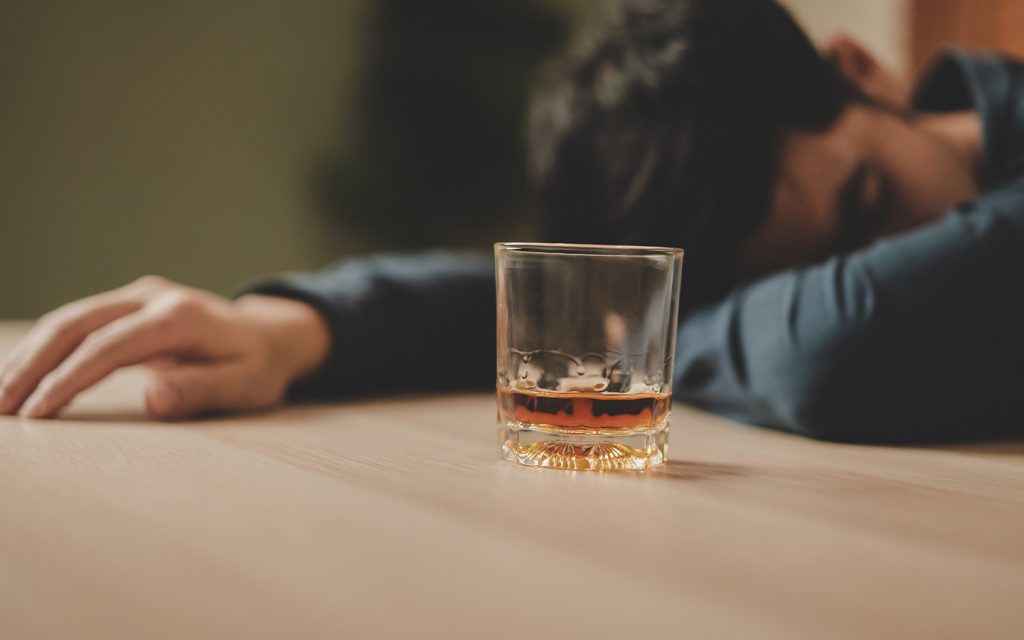
For those who drink alcohol, it is a diuretic. Over-drinking can immediately lead to a hangover headache, dehydration and therefore interrupted sleeping quality.
Can you share some healthy New Year’s Eve eating and drinking tips?
1. Don’t forget your fibre. Start eating your meal with salad, veggie sticks, cooked vegetables or soup to fill you up, so as to avoid the risk of overeating fatty calorie food. It’s best to select wholegrain food like red or brown rice, wholewheat spaghetti, wholegrain bread, oatmeal, quinoa and buckwheat noodles. Choose fruit containing dishes and desserts to share with your loved ones.
2. Choose wisely. It’s best not to choose fried, battered food. When eating meat or poultry, don’t forget to remove the skin and fatty part of the meat.
3. Choose clear or vegetable soup instead of the creamy and oily kind. Avoid adding extra table salt, sugar, sauces, dips and gravies to your meal.
[See more: Top global search trends 2025: What the world cared about most]
4. Limit your alcohol and sweetened beverage intake. Sugar-free or low sugar beverages such as plain water, sparkling mineral water, herbal teas, unsweetened ice tea or sugar-free soft drinks like soda water with lemon or lime are natural and healthy. Ensure adequate hydration to alleviate possible hangover symptoms.
5. Take in probiotics from yogurt, kefir or kimchi in the event of overeating. This can help to rebalance gut flora to aid digestion.
6. Stay physically active. Do some light walking or stretching before and after the celebration.
Do you have any advice for the consumption of alcohol during the New Year’s celebration?
If you plan to drink alcohol, you are advised to drink slowly and in moderation.
The Centres for Control and Disease Prevention (CDC): “Dietary Guidelines for Alcohol” recommendation are as follows: less than one unit of alcohol per day for women, and less than two units of alcohol per day for men.
[See more: No, a nightly glass of wine isn’t ‘good for your heart’]
One alcohol unit is equivalent to 125 millilitre glass of wine, a 330 millilitre can of beer or a single 30 millilitre shot of spirits.
The World Health Organisation (WHO) has classified alcohol as a Group 1 carcinogen linked to certain types of cancer. The WHO recommends drinking less or choosing not to drink alcohol to lower health risks.