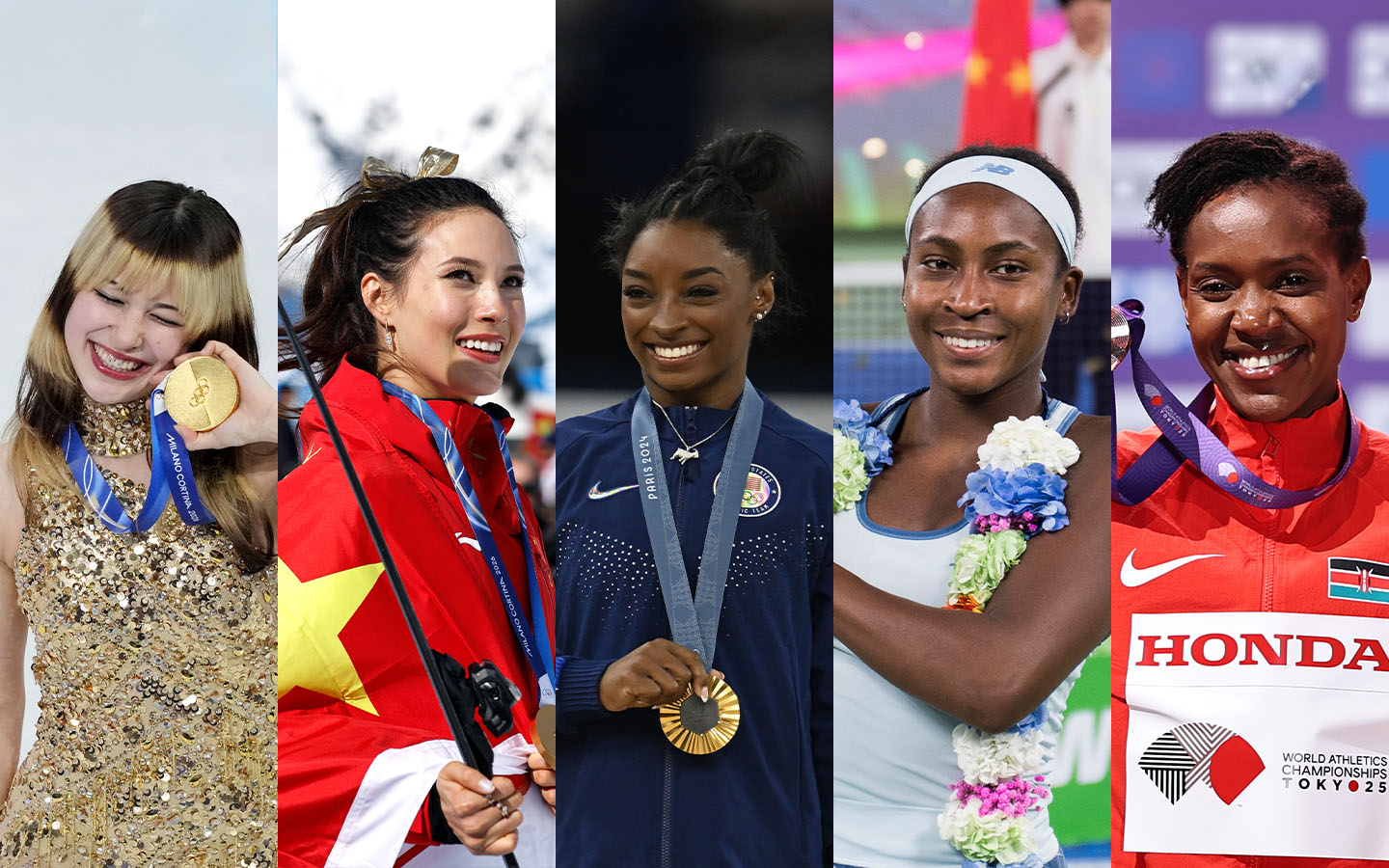
The recent successes of Alysa Liu and Eileen Gu at the 2026 Winter Olympics have highlighted a shift in elite sport. Today’s leading female athletes are not only defined by results, but by how they navigate pressure, longevity and personal identity.
Among the standout female athletes in 2026, these stories highlight the mindset and perspective shaping modern sport.
As conversations around gender, performance and visibility continue to evolve – particularly with International Women’s Day having fallen this month – their stories reflect a redefinition of what success in sport looks like today.
[See more: International Women’s Day: Celebrating Macao’s unsung heroes]
Across disciplines, athletes are increasingly shaping their careers on their own terms – prioritising mental resilience, balance and self-belief alongside performance. From comeback stories to sustained dominance, their journeys offer lessons that extend far beyond competition.
Alysa Liu: Rediscovering joy through a remarkable comeback
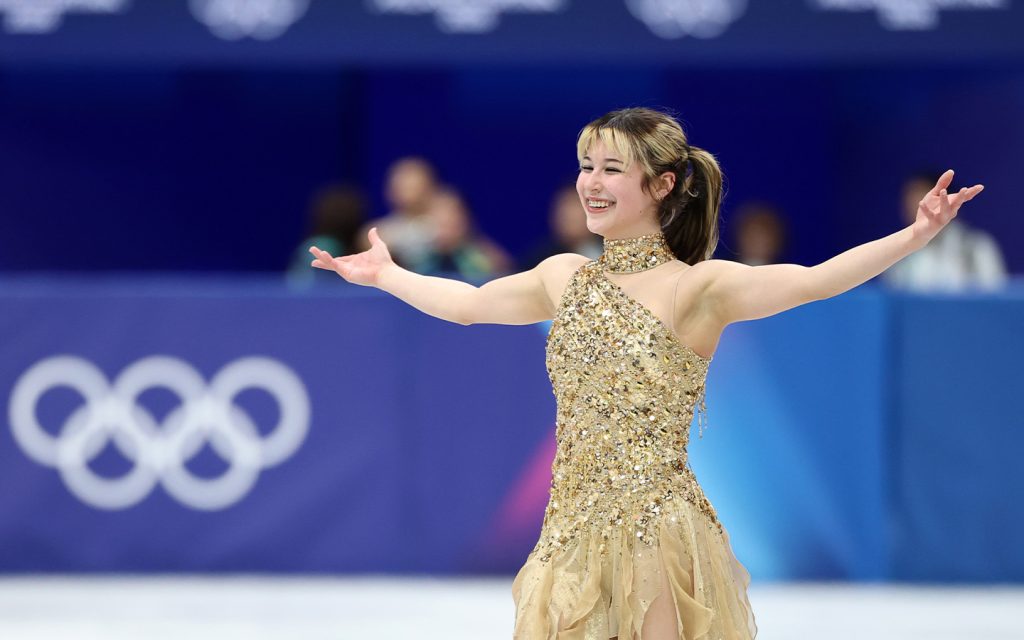
When Alysa Liu stepped away from competitive figure skating in 2022 at just 16 years old, it appeared that one of the sport’s brightest young talents had brought her career to an abrupt close.
By then, she had already made history as the youngest U.S. women’s national champion and established herself as a prodigy on the global stage. But the pressures of elite competition and years of intense training had taken their toll, prompting her to step away following the Beijing Winter Olympics.
During her time away from the sport, Liu experienced a more typical life, attending university and gaining perspective beyond the rink. That distance ultimately reshaped her relationship with skating and laid the foundation for her return.
When she came back, it was with a different mindset. No longer driven purely by expectation, Liu approached the sport with a renewed sense of balance and enjoyment. That shift culminated at the Milan-Cortina Winter Olympics, where she delivered a near-flawless performance to win gold in the women’s singles event, becoming the first American woman to win Olympic gold in the event since 2002.
[See more: What does a fulfilled life actually look like? Preeti D’mello of The Fulfillment Institute weighs in]
Reflecting on the moment, Liu emphasised not just the result, but how she felt competing again. “When I was skating, hearing the cheers, I felt so connected with the audience,” she said. “The way I felt out there was calm, happy and confident. I’ve been having fun.”
Rather than chasing perfection, she leaned into trust and instinct. As she later put it, “What is there to lose? Every second you are there, you are gaining something. I can’t think of anything that I would find stressful or anything that could bring me down.”
Her journey has since become a powerful reminder that stepping away can sometimes be essential to rediscovering purpose.
Eileen Gu: Redefining success under global scrutiny

Few athletes operate under the level of visibility and expectation that surrounds Eileen Gu. As a global figure competing for China while maintaining an international profile beyond sport, she has become one of the defining faces of modern winter athletics.
That mindset was on full display during the 2026 Winter Olympics, where she pushed back against how success is often framed in elite sport. When asked whether her results should be seen as “two silver medals won or two gold medals lost,” Gu dismissed the idea entirely.
“The two medals lost situation, to be quite frank with you, I think is kind of a ridiculous perspective to take,” she said. “I’m showcasing my best skiing, and I’m doing things that quite literally have never been done before.”
[See more: Eileen Gu repeats Olympic slopestyle silver at Milano-Cortina 2026]
Her performance backed that up. Gu won gold in the freeski halfpipe and added two silver medals in slopestyle and big air, bringing her Olympic total to six medals across two Games and establishing her as one of the most decorated freestyle skiers in Olympic history.
That approach has long defined her skiing. Rather than focusing purely on outcomes, Gu has embraced progression and risk as central to success. “My whole thing was, it’s all upside,” she told Time. “Because if I land, I will win the Olympics. If I don’t land, then I get to make history as the first person to ever try this trick in such a situation.”
In a sport built on creativity and innovation, that perspective has helped change how success is viewed.
Simone Biles: Redefining strength beyond performance
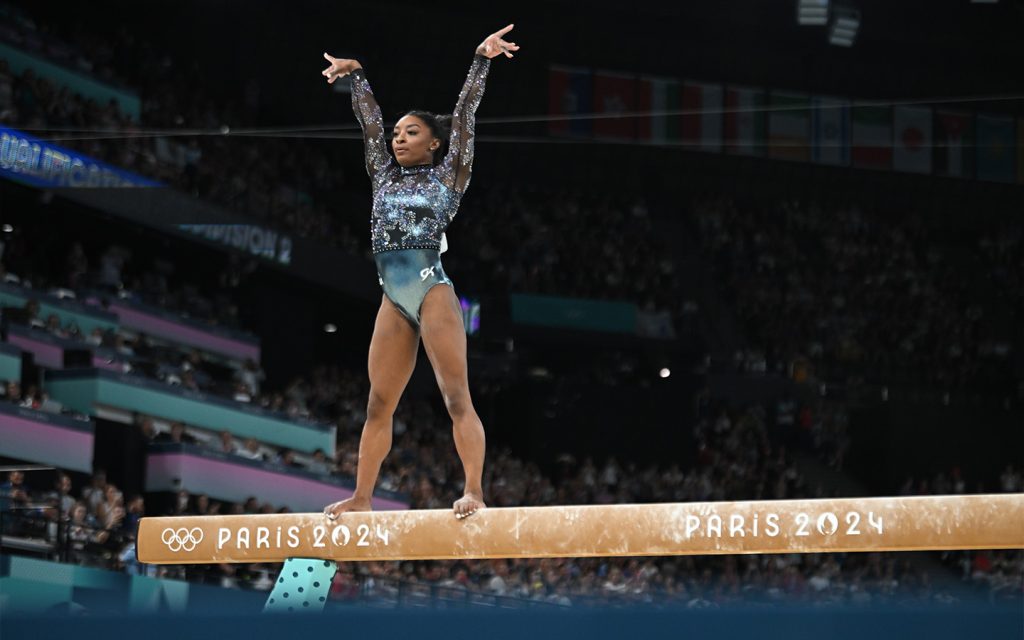
“We’re not just athletes. We’re people at the end of the day, and sometimes you just have to step back.”
That message, delivered by Simone Biles during the Tokyo Olympics, marked a turning point not just in her career, but in the wider conversation around athlete wellbeing.
For much of her career, Biles has been defined by dominance. With 11 Olympic medals and 30 World Championship medals, she has set a standard in gymnastics that few athletes in any sport have matched. Yet her most significant impact may have come through the decisions she made away from competition.
At the Tokyo Games, Biles withdrew from several events to prioritise her mental health, a move that sparked global discussion about pressure, expectations and the limits of elite performance. Rather than diminishing her legacy, it expanded it.
[See more: Opinion: On International Women’s Day, here’s why being a transwoman in the GBA is far better than you think]
“I have to focus on my mental health and not jeopardise my health and well-being,” she said after withdrawing from the team final at the Tokyo Olympics.
Her return to elite competition in 2023 has reflected a more balanced approach – one that places equal importance on performance and personal wellbeing. In doing so, Biles has helped redefine what strength looks like in modern sport: not just physical dominance, but the ability to set boundaries and make difficult choices.
Coco Gauff: From prodigy to leader
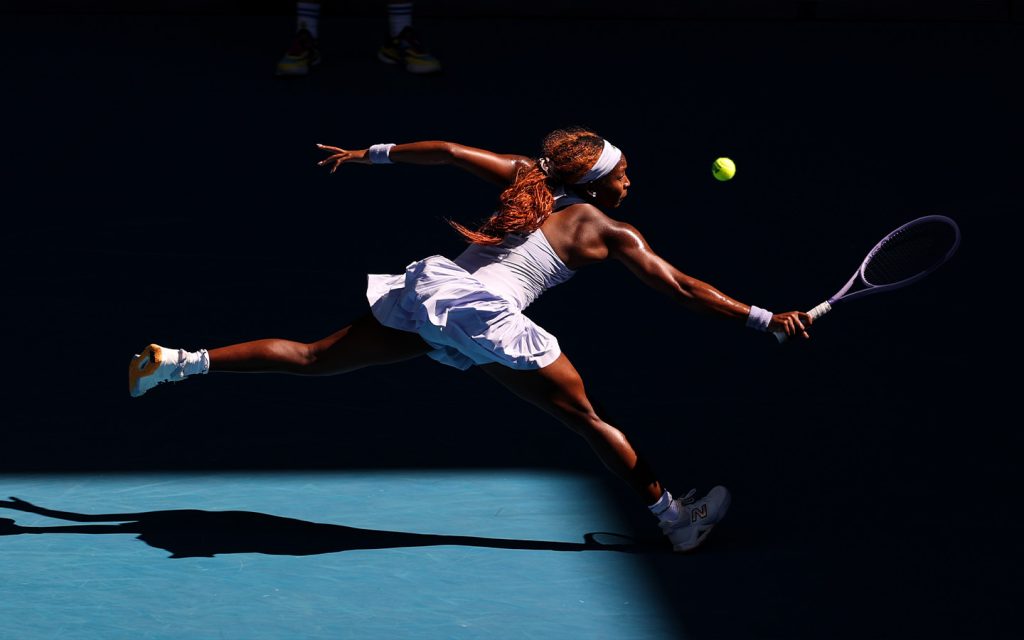
Coco Gauff’s rise has been closely followed since her breakthrough at Wimbledon in 2019, but her evolution into a Grand Slam champion has been defined by steady growth rather than immediate dominance.
After early success brought heightened expectations, Gauff navigated the challenges that often accompany young talent in the global spotlight. Instead of being overwhelmed, she gradually refined both her game and her mindset.
[See more: Why Fiona Nott, CEO of The Women’s Foundation in Hong Kong, is playing the long game]
Her breakthrough came with a US Open title in 2023, followed by victory at the French Open in 2025, confirming her place among the sport’s elite. Along the way, she has been open about the pressures that come with competing at the highest level.
“Pressure is a privilege. And I’m glad that people expect things from me,” she said. That perspective has helped define her transition from teenage sensation to one of the most composed and thoughtful players on tour.
Faith Kipyegon: Sustained excellence over time
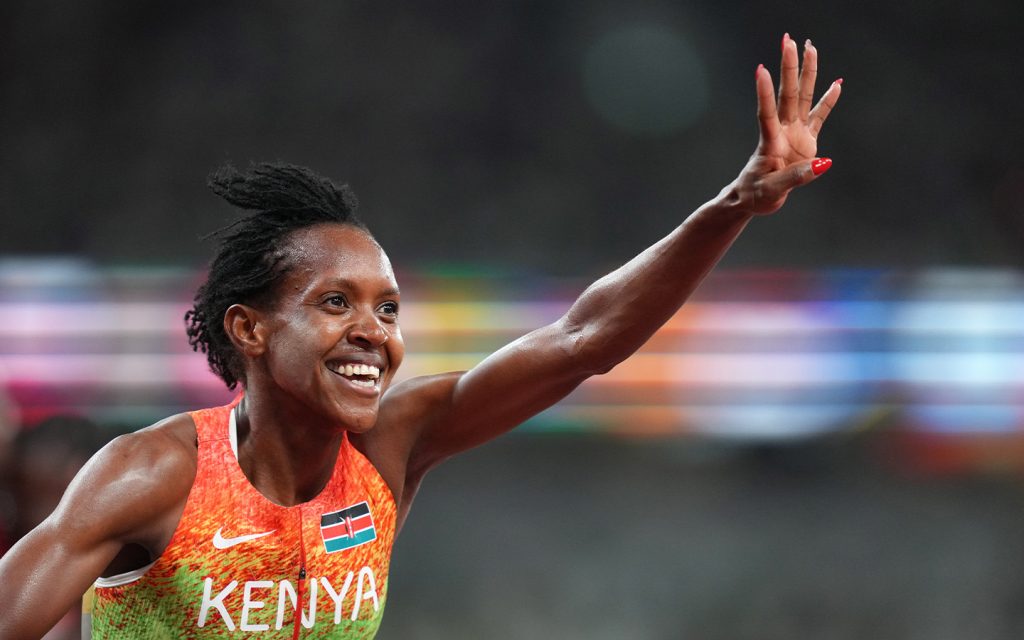
While some athletes define their careers through breakthrough moments, Faith Kipyegon’s legacy has been built on consistency.
The Kenyan middle-distance runner has dominated the 1500 metres for nearly a decade, combining tactical intelligence with sustained physical excellence. Her world record time of 3:49.11, set in 2023, stands as one of the greatest achievements in the history of the event.
[See more: 4 international women find success, community and diversity in Macao]
Her success is made even more remarkable by her return to competition after becoming a mother in 2018, challenging what people have long assumed about longevity in elite sport. For Kipyegon, progress has always been rooted in patience. “London taught me a lot that you have to be patient, and to believe in yourself,” she said, a mindset that has underpinned her sustained dominance.
That long-term mindset has allowed her to remain at the top of her sport, offering a powerful example of excellence built over time.