
A diversified energy mix, alongside sizable stockpiles of oil and liquified natural gas (LNG), insulate China from the short-term consequences of shipping disruptions in the Strait of Hormuz, reports financial outlet Seeking Alpha.
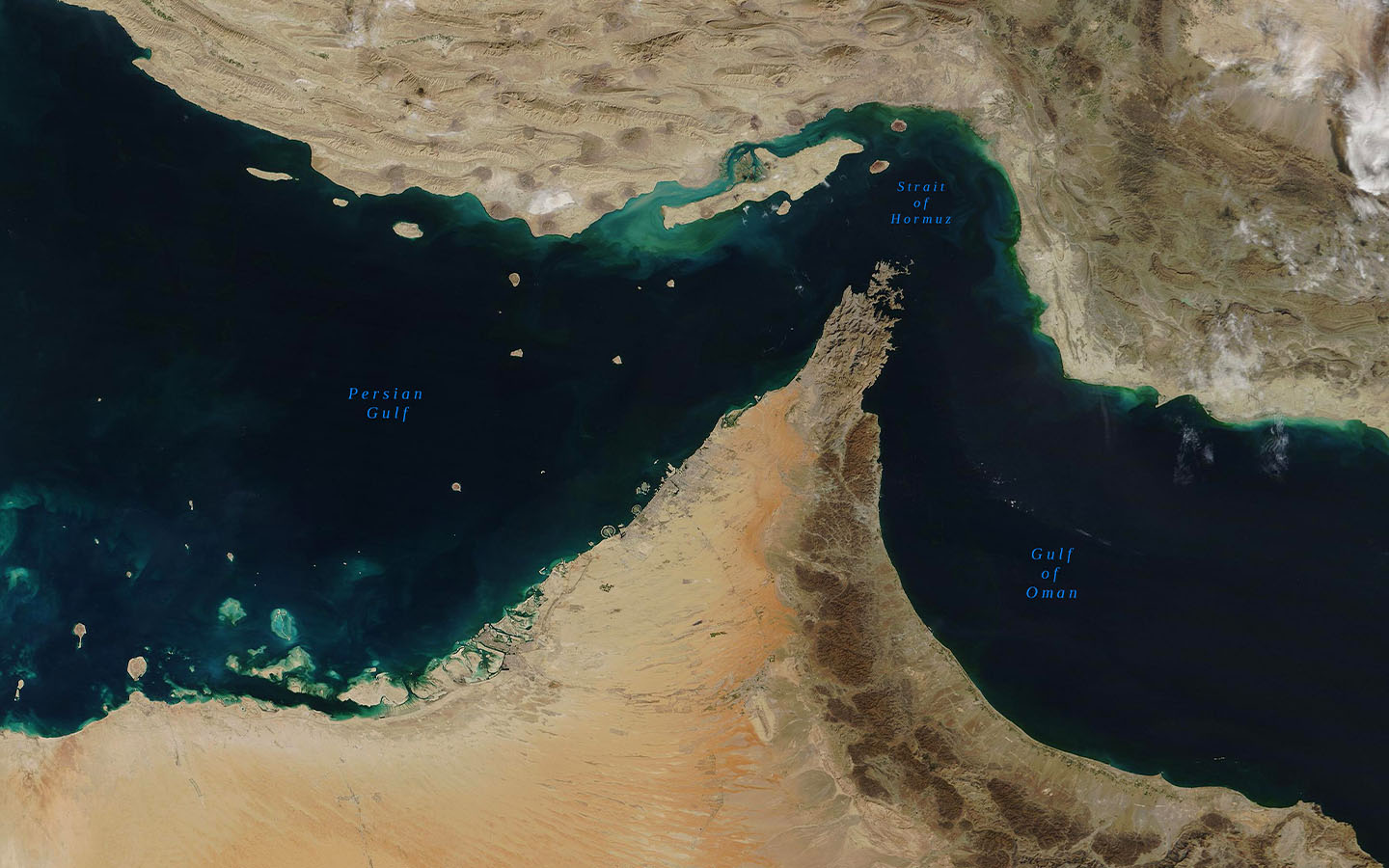
After US and Israeli airstrikes on Iran over the weekend, prompting retaliatory attacks by Tehran, traffic through one of the world’s most important shipping routes virtually ground to a halt. Around 20 percent of the world’s crude oil and natural gas typically passes through the Strait of Hormuz, a narrow channel on Iran’s southern border connecting the Persian Gulf with the Gulf of Oman.
Much of it is destined for China, the largest importer of both fossil fuels. Half of China’s crude oil imports come from Gulf countries, including Iran, transiting through the strait. China also accounts for nearly a quarter (24%) of LNG imports moving through the maritime channel, averaging 400,000 metric tons per week last March.
Yet China remains far more well-positioned to weather short-term shocks than many others, including the US, EU and much of Asia, analysts say.
[See more: China’s power consumption to hit record highs, but more comes from green energy]
China accounts for nearly one-third of global energy consumption, and most of that energy (52%) comes from coal, which sustains the country’s massive manufacturing industry while other uses are increasingly met through renewables. Oil is less than a fifth (~18%) of total energy consumption, and imports that pass through the Strait of Hormuz amount to a third of that (~6%). Including affected LNG imports would increase the figure, though the two combined still fall short of 10 percent.
China also boasts healthy domestic stockpiles of both fuels. At the end of February, LNG inventories stood at around 6.8 million tons – roughly 17 times the volume China typically imports from the Gulf in March. Crude oil inventories offer even more cushion from supply shocks.
The country hit a record high of onshore crude inventories in early January, totalling 1.2 billion barrels. Given that China typically imports 5 million barrels per day through the Strait of Hormuz, it would take 240 days – nearly three years – to burn through its inventories if the shutdown continues.