Chinese and Canadian leadership signalled a willingness to deepen economic and strategic cooperation on Thursday, as senior Beijing officials hosted Canadian Prime Minister Mark Carney for high-level talks aimed at stabilising ties after years of tension, multiple media outlets report.
Chinese Premier Li Qiang told Carney in Beijing that China was ready to strengthen cooperation in areas including clean energy, digital technology, modern agriculture, aerospace and advanced manufacturing and finance. The goal, Li said, was to cultivate new drivers of economic growth while expanding bilateral trade and investment.
Li also said China welcomed greater participation by Canadian companies in the Chinese market and expressed hope that Canada would provide a fair and non-discriminatory business environment for Chinese firms investing abroad.
[See more: Canada’s prime minister Mark Carney to visit China as ties with US deteriorate]
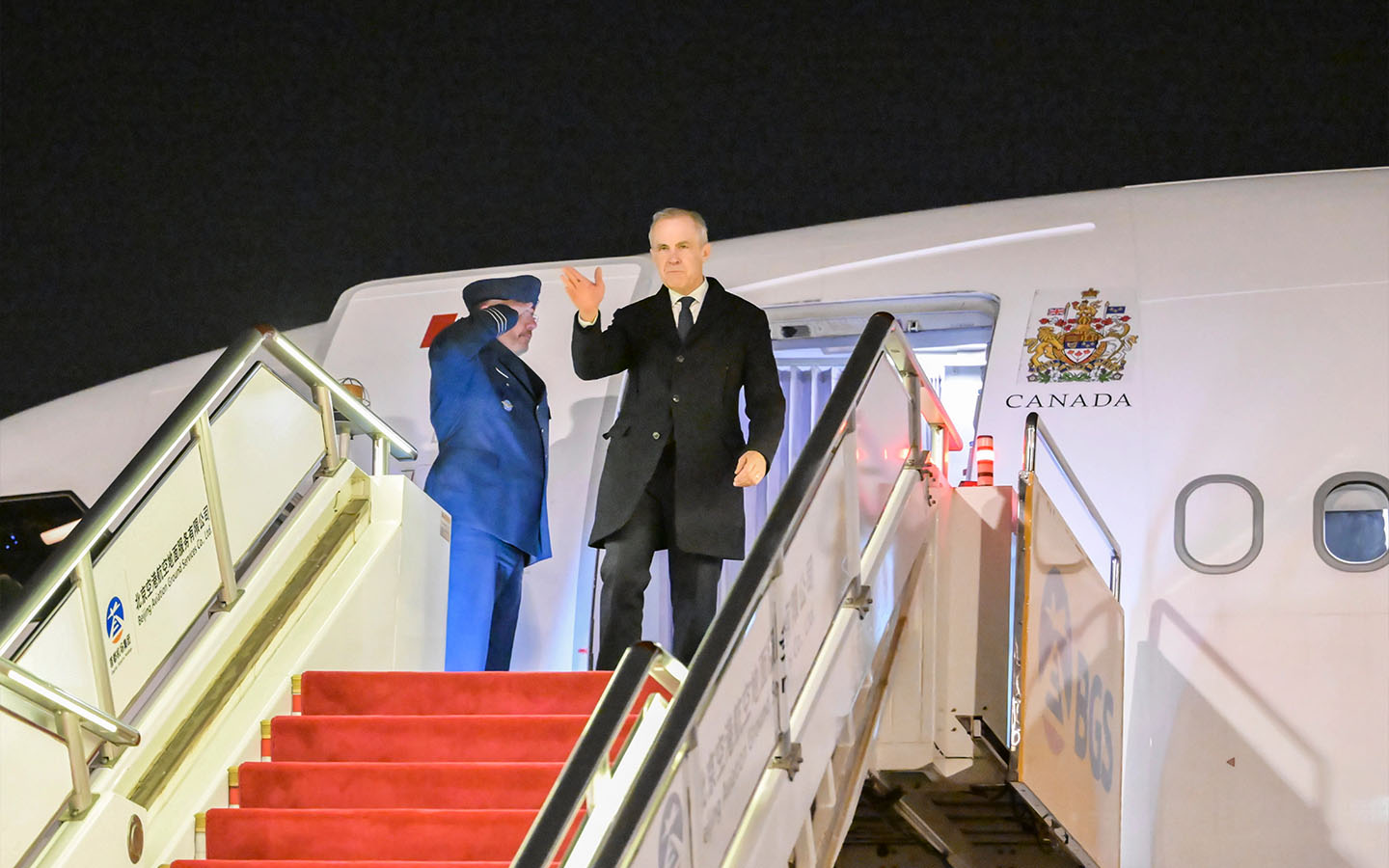
Carney, meanwhile, said that the two countries were embarking on a new phase of cooperation amid global division and instability. His four-day state visit to China is the first by a Canadian prime minister since 2017, and follows a meeting with President Xi Jinping in South Korea last October. He is scheduled to meet again with Xi on Friday.
“We’re heartened by the leadership of President Xi Jinping and the speed with which our relationship has progressed,” Carney told China’s top legislator, Zhao Leji, in a meeting in Beijing. “It sets the stage for these important discussions on a wide range of issues where we can be strategic partners from energy to agriculture, to people-to-people ties, multilateralism, to issues on security.”
No breakthroughs have been publicly announced on trade disputes yet, though both sides have committed to “maintaining open channels of communication” to resolve issues. China last year imposed tariffs on Canadian pork, canola and seafood in response to steep Canadian duties on Chinese electric vehicles, steel and aluminium.
[See more: Brazil is poised to grant visa-free travel to Chinese nationals]
Thursday’s talks culminated in the signing of multiple cooperation documents covering trade, customs, energy, construction, culture and public security. Since arriving in Beijing on Wednesday, Carney has also met with several business leaders
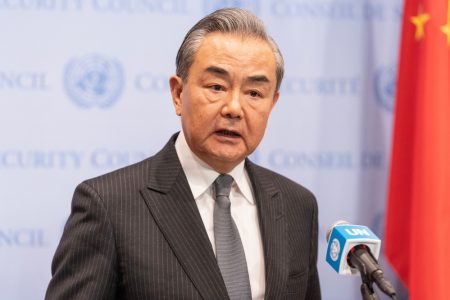
China’s Foreign Minister Wang Yi. Wang has described Carney’s visit as a turning point in bilateral relations, saying Beijing was prepared to strengthen communication, enhance mutual trust and remove obstacles to smooth ties between the two countries.
Relations between China and Canada have been strained in the past decade, notably following the 2018 detention of Huawei executive Meng Wanzhou at the request of the US, which triggered a prolonged diplomatic standoff and mutual distrust. Ties further deteriorated over recent tariff hikes. However, with US President Trump now threatening his northern neighbour’s economy and sovereignty, Ottawa is working to forge new ties with non-US markets.