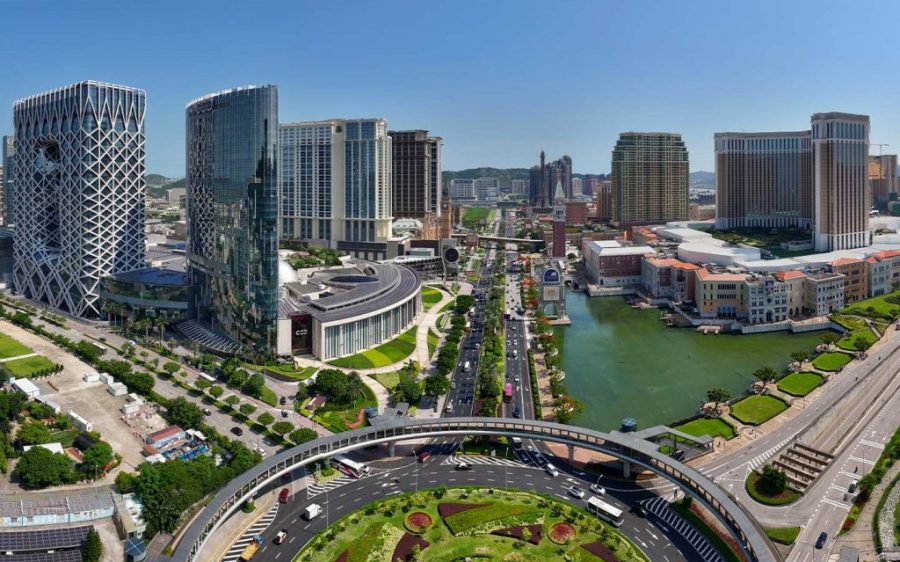
Mainland Chinese tourists are the core driving force of Macao’s tourism sector and, by extension, its economy. According to data from the Macao Government Tourism Office (MGTO), the mainland market was the city’s single largest source of tourists in 2025, with 29.01 million, or 72.4 percent of the 40.06 million visitor arrivals recorded for that year.
This was not always the case. Hong Kong previously held the predominant position and throughout the 1990s remained Macao’s main source of tourists, contributing to roughly 81.35 percent (4.8 million) of the total number of visitor arrivals by sea in 1990, and 74.23 percent (4.38 million) in 1995.
This all changed after the central government implemented the Individual Visit Scheme (IVS) in Macao and Hong Kong on 28 July 2003, permitting residents of selected mainland cities to visit by themselves without needing to join a tour group.
[See more: Macao’s Lunar New Year sees all-time daily visitor arrival record]
Originally intended to offset the damage that the SARS epidemic had wrought on Macao and Hong Kong’s tourism industries, the IVS quickly resulted in a surge in mainland Chinese travellers to Macao, so much so that they surpassed Hong Kong visitor numbers by the end of the 2003. In the years since its introduction, the IVS has expanded beyond the original cluster of Dongguan, Foshan, Jiangmen and Zhongshan to include 59 mainland cities.
“After more than two decades [since the IVS’s introduction], the proportion of the tourists from the mainland has increased from below 50 percent to the current 71 to 72 percent in terms of head count,” says Davis Fong, the director of the University of Macau’s (UM) Institute for the Study of Commercial Gaming (ISCG). He adds that the contribution of mainland visitors is “even higher” when it comes to casino spending, as they account for an estimated 80 percent of mass market gambling revenue and roughly 80 to 85 percent in terms of VIP gambling.
How has the profile of mainland visitors changed over the years?
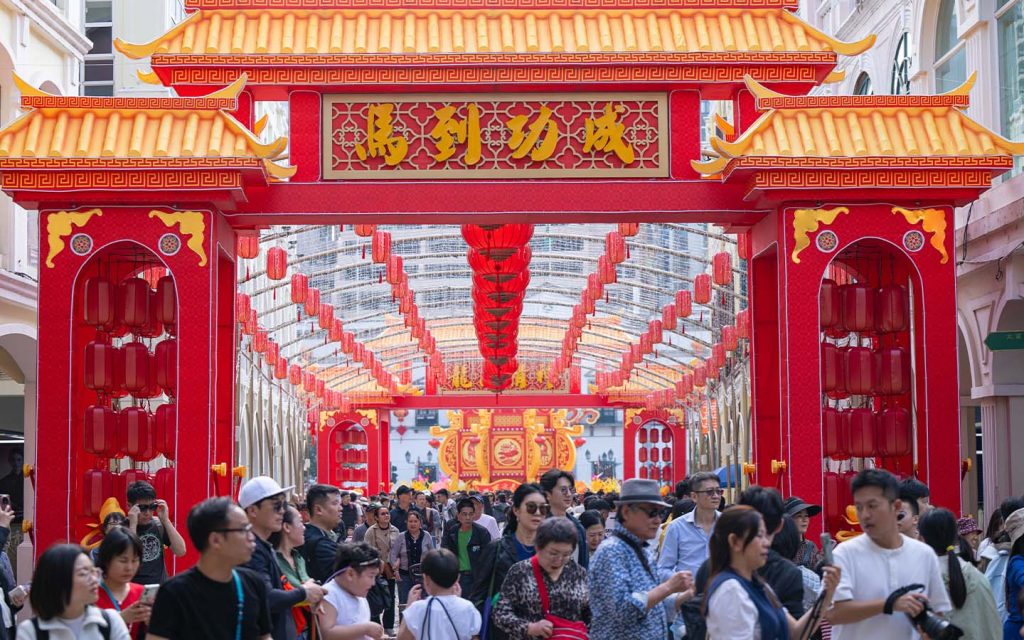
According to Fong, the past 20-odd years have seen a significant shift in the type of mainland visitors arriving in Macao, with significant changes shown in the annual Macau Visitor Profile Study (VPS). First carried out since 2011, the research initiative involves the ISCG collecting data on the behaviour and characteristics of Macao visitors via interviews with roughly 4,000 visitors each year.
Comparing the 2011 VPS to the current results, Fong notes that there are three key noticeable changes in the profile of mainland visitors. He notes that in 2011, the average age of a mainland tourist to Macao was around 40 to 50 years, although this has dropped to a much younger demographic, with “much younger people actually showing up in Macao.”
Another major change that the UM academic points to is the shift towards a visitor demographic that has a more equal representation of both males and females.
[See more: Macao shatters tourism and checkpoint crossing records in 2025]
“Fifteen years ago, males dominated the proportion of visitors – maybe 80 percent male and 20 percent female,” Fong notes. “Now it is actually very close. For some events or even festivals, there are more females than male.”
The gaming expert explains that this change in the gender profile of mainland visitors is due to the rapid development of Macao’s concert economy in recent years, which has been driven by the government’s push to reduce the city’s overreliance on gambling.
Lawrence Che, the director-general of the Macau Federal Commercial Association of the Convention and Exhibition Industry, highlighted the local concert sector’s strong growth, telling Macao Daily News that 1,096 music events and concerts were held in Macao in 2024, with the 2025 number forecasted to jump by at least 10 to 20 percent year-on-year.
As a result of the concert economy’s expansion, an increasing number of female visitors are now entering the SAR to attend shows featuring their favourite celebrities and idols.
The gambling behaviour of mainland tourists is the third noticeable change. According to Fong, the gambling participation rate of mainland visitors – that is the number of mainland travellers who engaged in gaming activities during their stay in Macao – fell from over 40 percent in 2011 to the current rate of 25 percent.
He cites a number of factors for this, including the wider range of non-gaming activities and events in Macao that are attracting visitors other than punters.
“Another reason is young people, frankly speaking, don’t have too many so-called motives to gamble in the casinos,” Fong explains. He notes that the high cost of making a minimum bet in a local casino can be off-putting to young people, as casinos such as Galaxy require HK$1,000 per bet.
Young mainland visitors’ preference for e-wallet payment systems such as AliPay and WeChat Pay can also deter them from gambling. They simply don’t carry the cash that casinos require. On top of this, the UM academic points out that mainland tourists have become more digital-savvy than ever before.
“In the last 15 years, I can see more and more mainland people actually using social media and the internet to understand Macao before they choose to visit Macao,” Fong says. “Fifteen years ago, it was only maybe 20 percent, but nowadays, it’s almost 80 percent.”
Which aspects of the mainland visitor profile have stayed the same?
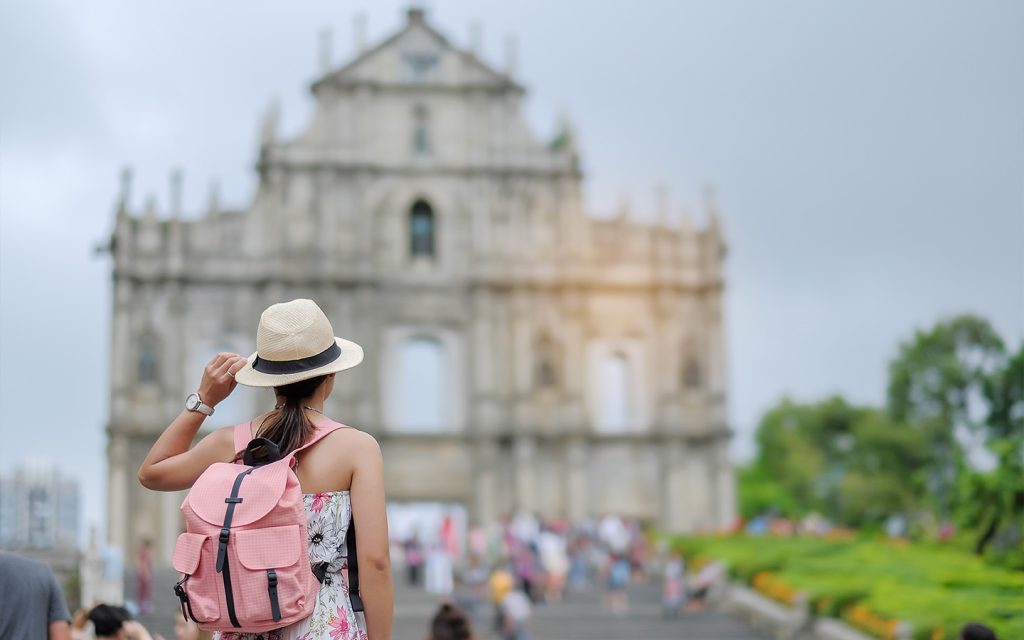
Still, there are certain characteristics among mainland tourists that have remained consistent over the years. For starters, a large proportion of mainland visitors to Macao continue to originate from Guangdong, with other southern provinces such as Fujian, Zhejiang and Hunan also making sizable contributions.
Official data shows that in 2011, Guangdong visitors accounted for 8.19 million out of the 8.82 million mainland visitors that entered Macao, accounting for 92.85 percent of the total. By 2025, Guangdong travellers continued to represent more than half of mainland tourist arrivals, with 17.1 million out of the 29.01 million mainland visitor (58.94 percent) arrivals coming from Guangdong.
One of the key reasons is geographic proximity. Visitors from nearby Guangdong cities can make the journey with relative ease – for visitors from neighbouring Zhuhai, a Macao trip is as simple as walking through a checkpoint. In addition, the central government has eased access to Macao for both Zhuhai and Hengqin residents since January 2025 through the introduction of multi-entry travel permits.
[See more: 5 things Macao needs to address as part of its diversification]
The average amount of time that mainland visitors spend in Macao has also seen little change since the collection of VSP data began. Fong points out that mainlanders who stay overnight have seen the duration of their visit jump from over one day to around two days. However, when calculated alongside the figure for daytrippers whose length of stay has fallen, the overall average time that a mainland tourist spends in Macao has remained more or less the same over the years.
The gaming experts explains that for overnight visitors, especially those residing in the Cotai area, the increasing number of non-gaming offerings has encouraged them to stay longer in the city. By contrast, the time that mainland daytrippers spend in Macao has fallen, with one of the main reasons being the greater travel convenience, which Fong says make it “much easier for daytrippers to finish all the things they would like to do and then go back home.”
What does the current visitor profile mean for Macao’s tourism industry?
In response to the shifts in the mainland market, Macao’s tourism industry has had to make changes. For instance, digital social media platforms such as Xiaohongshu (known in English as RedNote) and Douyin are now being actively used by the city’s government and six casino operators to promote the city and its tourism offerings.
Fong, however, points out that the use of Xiaohongshu as a promotional tool only began to gain traction during the Covid-19 pandemic, when people-to-people advertising was out of the question. That has resulted in more resources being allocated to social media promotion not just in mainland China, but also in other countries such as Japan and South Korea, where other platforms such as Naver Blog and Line are preferred.
“I can’t say the penetration is very high, but Macao is keeping up,” Fong says, adding that the casino concessionaires must also deal with the strict regulations on gambling advertising in many jurisdictions that forces them to promote their brands through non-gaming means such as consumer offers, festive events and shows.
[See more: Tourism officials report full-year visitor arrival figures for 2025]
With the pivot towards younger visitors and non-gambling increasing, Fong mentions that Macao’s casino operators are also looking to find the “right formula.”
He points to well-known pop stars such as Jacky Cheung, who have the potential to not only attract a huge number of fans to see his shows, but can also boost the gross gaming revenue (GGR) in tandem. Indeed, Citigroup analysts reported last year that Cheung’s nine shows at Galaxy Macau in June and July resulted in greater visitor traffic and boosted bets across local casinos.
“That formula also applies to other celebrities or singers,” Fong says. “In the last three years, the casino operators have actually been testing the water because not all celebrities have the same ability” in terms of generating strong concert income and GGR.
The flow-on impact of a concert can also extend beyond GGR, as Fong points out that a show staged by a celebrity such as Andy Lau can “also push up high-end spending on brand products.”
This is especially important, as VPS data cited by the academic shows that mainland tourists now regard shopping as one of the most attractive elements of their visit, alongside fine dining, cultural heritage and gambling. The latter, says, Fong has seen a significant dip as an attractive element, falling from 40 percent in 2011 to the current 25 percent.
[See more: Gaming revenues topped 247 billion patacas in 2025. Here’s what to expect going into 2026]
Expanding the mainland market and addressing bottlenecks
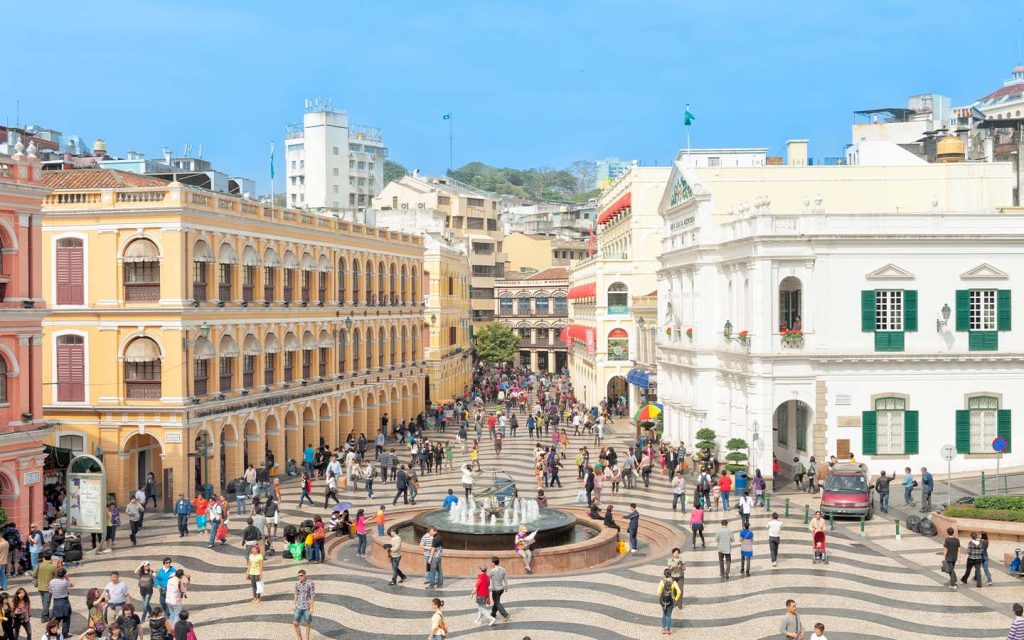
Looking ahead, Fong believes that the mainland market is “still very promising” and suggests that Macao work towards penetrating “high-value markets” such as Shenzhen.
He mentions that currently, the SAR only has a market penetration of “less than 10 percent” in Shenzhen, in contrast to Zhuhai, where around 4 million people visited Macao last year, bringing the city’s market penetration rate to 200 percent.
By further tapping into the Shenzhen market, Fong says that Macao could attract high-end guests and boost profitability, as the Chinese tech-hub has a higher standard-of-living and larger economy than Zhuhai.
At the same time, the academic argues that if Macao wants to further expand its tourism numbers, there are a number of bottlenecks that must be addressed, including the lack of hotel rooms. Official data shows that Macao had 45,165 hotel rooms as of December 2025, with the average occupancy hitting 89.4 percent for the entire year.
“Ninety-something percent occupancy is too high,” says Fong “That means you may plough out some of the potential guests.”
The scholar also points to Macao’s transport problems, including the challenges of finding a taxi, which make it difficult for tourists to conduct inbound travel between the casinos and certain cultural heritage sites.
The issue, according to Fong, is not so much the number of taxis, but rather their distribution across different areas in accordance with the needs and behaviour of tourists at different times. With the limited reintroduction of Uber into Macao last month, the expert says it could provide “a very complicated database” capable of informing taxi drivers of areas in the city that have a high demand for cabs at certain times.
[See more: Macao can forget about being an international destination until it fixes its taxi problem]
As Macao’s population continues to decline and age, there is also the wider issue of a shortage of human resources and talent needed to sustain the city’s economic growth and diversification.
Less important to Macao’s tourism industry is the ageing population of mainland China. As Fong notes, fewer than 10 percent of China’s population of 1.4 billion people have visited the SAR over the past 25 years.
“Macao’s market penetration is still very low when looking at the whole China, so it would take many, many years for every single Chinese to visit Macao,” he notes, adding that the local government and operators have also been focusing on developing the international market.
Says Fong: “If you’re looking at a five hour flight time radius around Macao, there’s around 3.1 billion people. That’s our ultimate target market.”