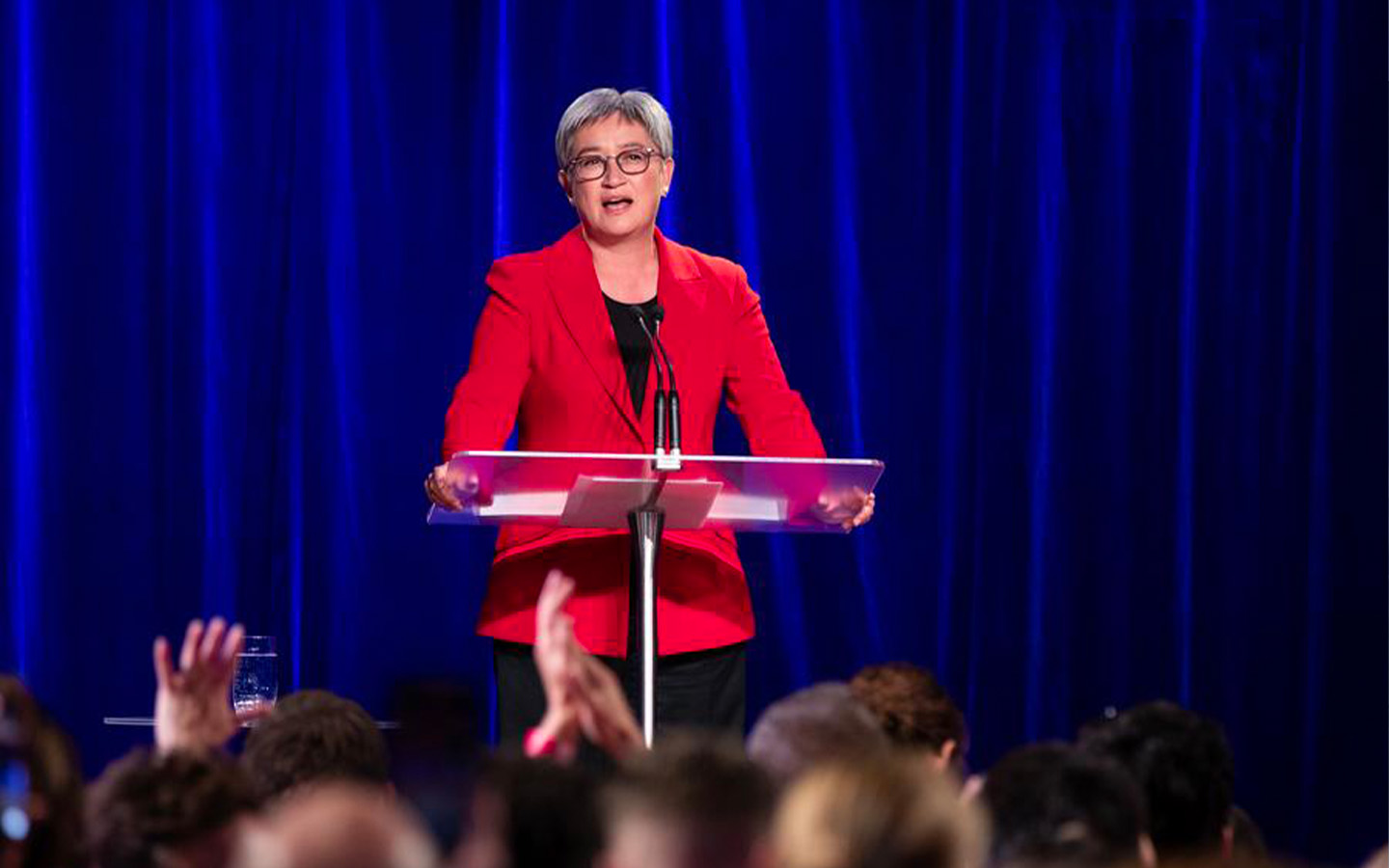
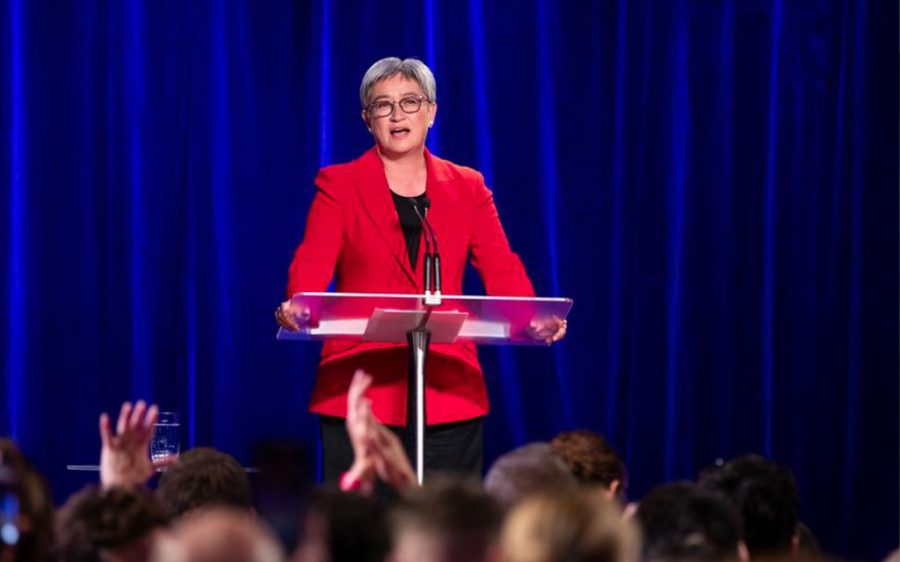
Australia’s foreign minister Penny Wong arrives in Beijing today on a tightly focused swing through North Asia, as Canberra looks to shore up fuel and energy supplies amid the ongoing disruption in the Strait of Hormuz.
Her trip, which also includes stops in Japan and South Korea, is the Albanese government’s most concentrated diplomatic push yet on energy security, reflecting how the Middle East conflict has moved fuel resilience from a technical issue to a front-rank strategic concern for Australia and its partners.
Beijing is the political and economic centrepiece of Wong’s itinerary. She is due to hold the eighth Australia‑China Foreign and Strategic Dialogue with Foreign Minister Wang Yi, with energy, trade flows and regional stability all on the agenda.
Chinese officials confirmed she will be in China from 28 to 30 April at Wang’s invitation, underscoring that the visit is framed as part of efforts to maintain a “mature, stable and constructive” relationship.
[See more: Australia and Timor-Leste announce progress on gas fields]
Energy is a shared interest for both sides. Australia relies on imports for about 90 percent of its refined petroleum products, much of which comes from Asian refineries, while China is both a major supplier of aviation fuel to Australia and a key buyer of Australian LNG.
Wong has said the aim of her trip is to ensure governments are “coordinating effectively” as Middle East tensions and the partial closure of Hormuz drive up prices and scramble shipping routes.
The visit follows an earlier phone call between Prime Minister Anthony Albanese and Chinese Premier Li Qiang this month, in which the two leaders agreed to increase government‑to‑government communication in support of regional energy security.
In remarks before departure, Wong linked energy resilience directly to broader Indo‑Pacific stability, noting that Asian refineries and economies have been “disproportionately affected” by the Hormuz disruption.