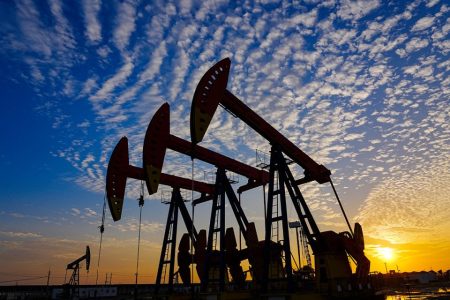
China is set to resume purchasing vast amounts of oil within a matter of weeks, according to global trading house Mercuria, following a period where it drew down its reserves during the most intense phase of the Iran supply disruption.
Marco Dunand, Mercuria’s chief executive, revealed at the FT Commodities Summit that China has been depleting the commercial stocks it accumulated before the crisis began. By effectively stepping back from the market, China has avoided buying at a time when prices are surging and flows from the Middle East restricted, according to a report by OilPrice.com.
This inventory reduction is a vital, though potentially underappreciated, element of the recent market equilibrium, the report says. China started 2026 with substantial reserves, having aggressively stockpiled throughout 2025. During that year, when oil prices were hovering near $60, it was estimated that China added approximately 1 million barrels to storage daily.
[See more: How will the Middle Eastern oil crisis impact the Greater Bay Area?]
Current import statistics indicate that these stored barrels are now being used. In March, China’s crude imports dropped 2.3 percent compared to the previous year, settling at 49.98 million tonnes, even though overall first-quarter volumes were 8.9 percent higher due to the earlier stockpiling efforts. Additionally, imports of liquefied natural gas (LNG) saw a sharp 22 percent fall in March as rising costs prompted buyers to withdraw.
By releasing its stored crude, China has partly compensated for the loss of supply from the Middle East within the system, says OilPrice.com. However, this process is nearing its completion. Once stocks are reduced to the levels required for operational purposes, China will need to increase its purchasing activity to maintain the output of its refineries. Dunand projected this timeline to be around three weeks.
When China – the world’s largest crude importer – returns as a major buyer, the market dynamics will change again. This renewed large-scale demand will increase pressure on a market already struggling with supply constraints and high prices.