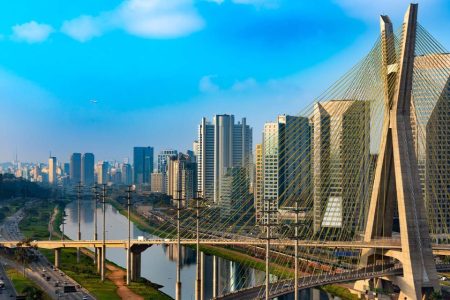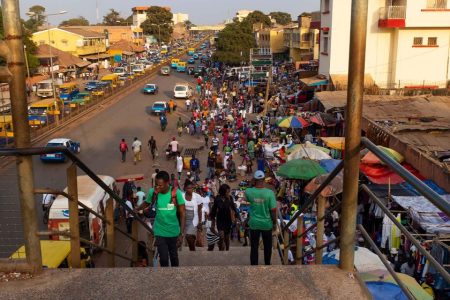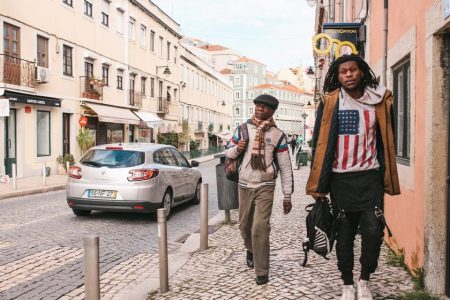
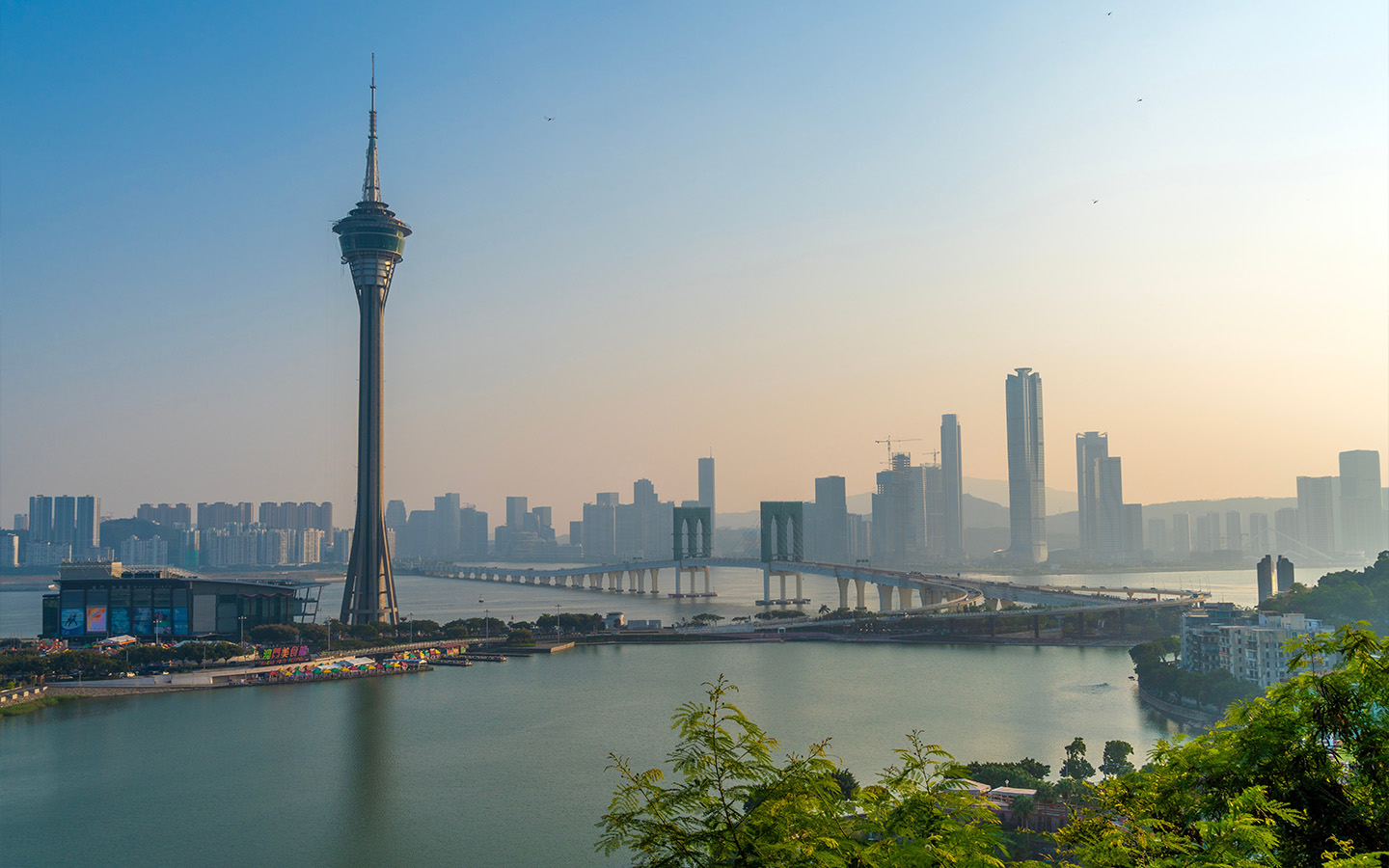
The 43rd General Assembly of the Union of Portuguese-Speaking Capital Cities (UCCLA) opened at the Forum Macao complex yesterday, with municipal leaders from lusophone locations in Africa, Asia, Europe and South America gathering to discuss cooperation among themselves.
According to a government statement, 35 delegations from Portuguese-speaking member states such as Angola, Cape Verde, Mozambique, Portugal, as well as São Tomé and Príncipe are participating in the three-day event.
During the meeting, Macao was elected as the head of the organisation’s executive council, a role that it will assume until 2028. As well, the membership applications of Ícolo e Bengo and Calumbo in Angola, as well as Viseu in Portugal were approved, along with a 2026 work plan that focuses on city-to-city exchange programs, technology transfer guidelines and collaborative infrastructure pilot programs.
A number of motions of condolence for cities in Portugal, Angola, Cabo Verde and Mozambique that were ravaged by natural disasters such as flooding and landslides were passed. In addition, the members decided to host the next UCCLA general assembly in the Portuguese city of Guimarães.
On the first day, the main delegates of the UCCLA also held a meeting with Macao’s Chief Executive Sam Hou Fai. The SAR leader highlighted Macao’s status as a Sino-Lusophone platform and stated his administration would continue to expand the city’s capabilities in this area, in addition to deepening cooperation with Portuguese-speaking countries and regions in a practical manner.
Meanwhile, the president of the UCCLA general assembly, Rasaque Silvano Manhique, praised Macao’s role in promoting cooperation between Lusophone cities, cultivating multi-culturalism, and helping to support exchange and cooperation between China and Portuguese-speaking nations.
[See more: Sam Hou Fai to lead Macao’s largest ever trade mission to Europe]
Similar sentiments were expressed by figures such as the UCCLA’s secretary-general, Luís Campos Ferreira, who told local media during the general assembly yesterday that “the People’s Republic of China uses Macao as a platform for Portuguese-speaking countries.”
Ferreira added that “we all have much to learn from China as well,” describing the country as being “very useful,” with “a lot of knowledge to share.”
The secretary-general, who was previously Portugal’s secretary of state for foreign affairs and cooperation between 2013 and 2015, also mentioned that Portuguese-speaking cities needed to expand the scope of their cooperation to other areas besides the economy and culture.
Yesterday also saw the UCCLA representatives visit Forum Macao’s Pavilion of China-Portuguese-speaking Countries Commercial and Trade Service Platform and Macao Ideas exhibition area and attend a banquet arranged by the secretary for administration and justice, Wong Sio Chak.
Today, the UCCLA representatives are taking part in an “Infrastructure and Smart Cities,” as well as an inspection tour in Hengqin, which will feature around 100 participants.
On the third and final day of the gathering tomorrow, the delegates are set to take part in a tour around Macao and learn about the city’s current development.
Established in 1985, the UCCLA is intended to be a platform to foster exchange and cooperation between Portuguese-speaking cities worldwide. The organisation currently has 106 members, including 24 effective members, 44 associate members, 28 supporting members and 10 observing members.
Previously, Macao hosted the UCCLA general assembly on three separate occasions, including the 13th edition in 1997, the 17th edition in 2001 and the 23rd edition in 2007.