Shenzhen’s retail property market is entering a new phase of adjustment. According to media reports, tech-driven lifestyle brands and emerging consumer concepts are reshaping who takes space – and where – even as rents remain under pressure.
JLL’s latest “Shenzhen Retail Market Dynamics Q4 2025” report found that leasing demand stayed active at the end of last year, led by categories such as outdoor sports, consumer electronics and art toy brands. Emerging brands accelerated flagship openings and store upgrades to enhance the experience factor, while more traditional retailers slowed expansion as consumers shifted towards lifestyle and discretionary categories.
Citywide, vacancy edged down by about 0.2 percentage points quarter-on-quarter, but landlords still had to offer more flexible terms as heavy new supply and weaker fundamentals weighed on pricing.
Tech is at the centre of the market shifts. A recent JLL-backed analysis shows that new-generation consumer tech brands – spanning drones, 3D printers, smart wearables and niche audio – are rapidly filling urban mall vacancies as established smartphone giants retrench.
[See more: Shenzhen has launched a campaign to encourage new forms of consumption]
Brands such as 3D printer maker Bambu Lab and audio specialist Shokz have expanded their offline networks over the past two years, concentrating on high-traffic urban centres; just 38 percent of their stores were in suburban locations as of 2025, with the majority in prime city malls. Several have opted for large-format flagship stores in benchmark projects to maximise visibility and showcase product ecosystems.
Established smartphone players, including Honor and Oppo, now have a much higher share of their outlets in suburban malls and community retail, with about 69 percent of their stores located outside Shenzhen’s core urban retail clusters.
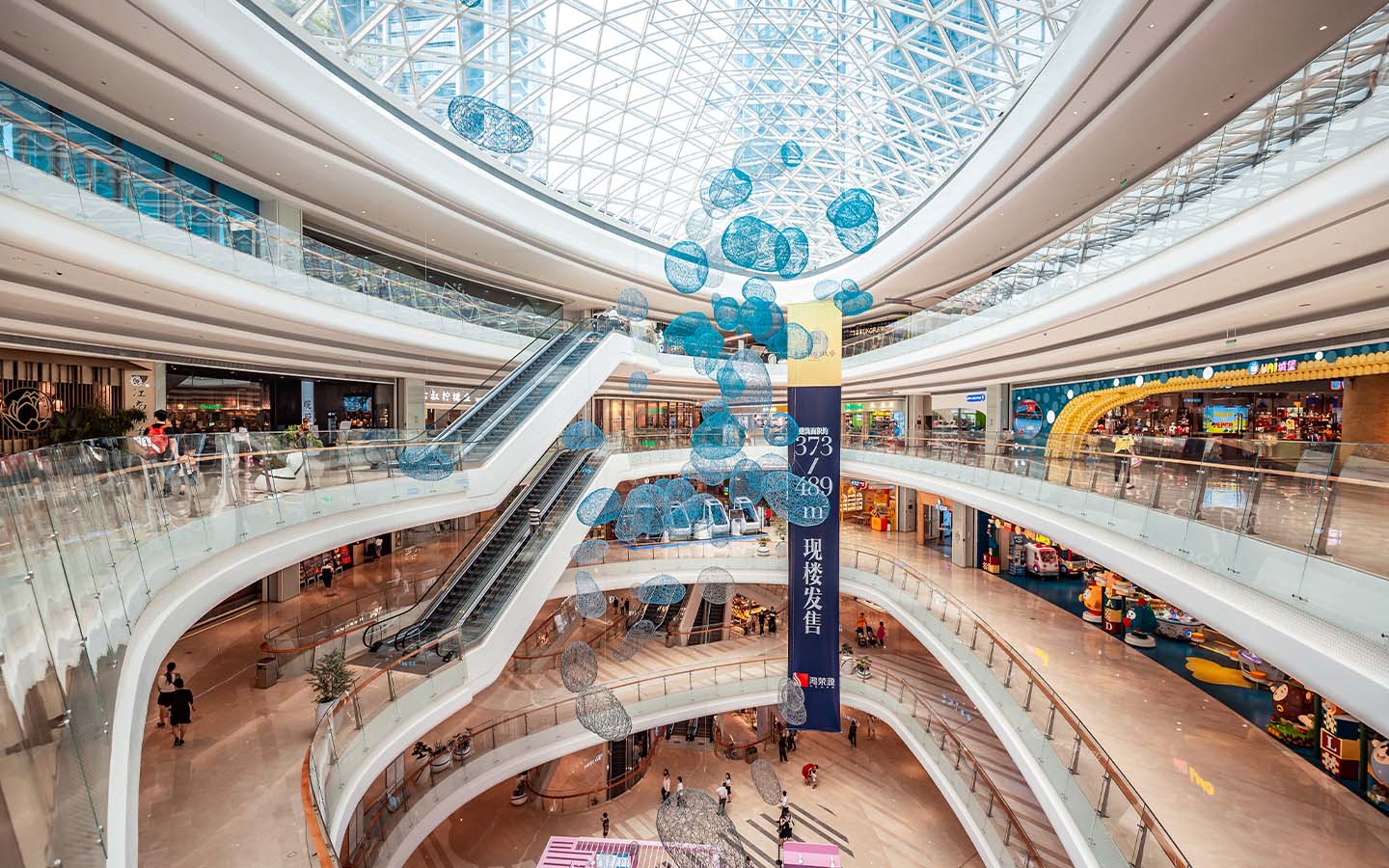
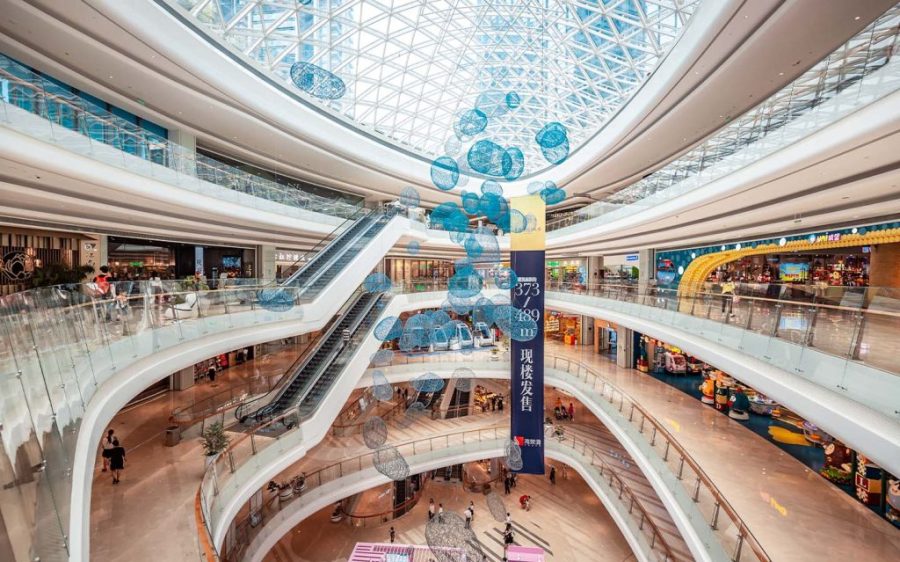
This divergence is feeding a structural split in performance, JLL says: prime malls with strong transport links and tourism or office catchments continue to attract premium and emerging tenants, while non-core projects lean more heavily on supermarkets, entertainment and F&B to fill floors. Across the city, average prime mall rents fell around 2.7 percent quarter-on-quarter in late 2025, reflecting intense competition and landlords’ willingness to trade rate for occupancy.
Looking ahead, JLL expects roughly 250,000 square metres of new retail space to enter the Shenzhen market over the next 12 months, substantially less than in 2025 but still enough to keep vacancy and rents under some pressure as consumption recovers only gradually.