Tourist arrivals from mainland China to Japan fell sharply at the end of last year, as diplomatic tensions between Beijing and Tokyo intensified over comments linking Japan’s security to a potential conflict over Taiwan, the Guardian reports.
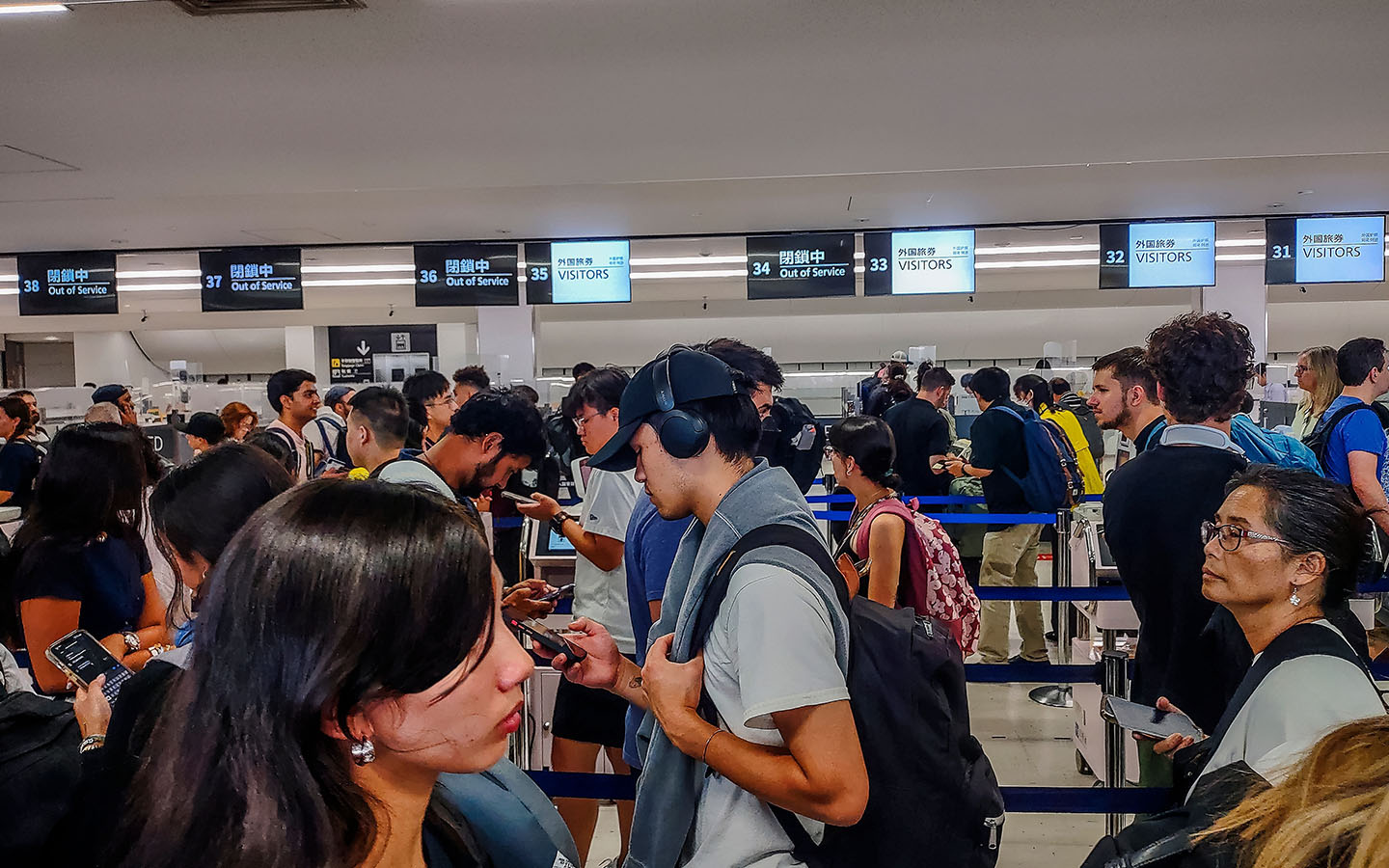
Japan’s transport ministry said about 330,000 Chinese tourists visited the country in December, a year-on-year decline of roughly 45 percent. The downturn came despite Japan welcoming a record 42.7 million foreign visitors in 2025, surpassing the previous high set in 2024.
The reduction in Chinese travellers coincided with remarks by Japanese Prime Minister Sanae Takaichi suggesting that Japan could become militarily involved if a conflict in the Taiwan Strait posed an “existential threat” to the country. Beijing seeks to be reunified with Taiwan under the One China policy – by force if necessary – and has reacted angrily to the comments.
[See more: Japan and South Korea pledge stronger ties amid North Asian tensions]
Chinese authorities subsequently urged citizens to reconsider travel to Japan, citing safety concerns, and cautioned young Chinese against studying there. Cultural exchanges were suspended and releases of new Japanese films in China were postponed indefinitely, while concerts by a number of Japanese performers were cancelled.
The decline risks hitting a key segment of Japan’s tourism industry. Chinese visitors have traditionally been its largest source of inbound tourists, with nearly 7.5 million arrivals in the first nine months of 2025 – about a quarter of all foreign visitors. Chinese tourists are also by far the biggest spenders, forking out an average of 22 percent more than other visitors, according to Japan’s tourism agency.
Japanese officials are downplaying the impact, noting that visitors from other markets had offset the drop. Transport minister Yasushi Kaneko pointed to 2025’s record annual visitor total, which he described as a “significant achievement.” However, he also expressed his hope that Chinese visitors would “return to us as soon as possible.”