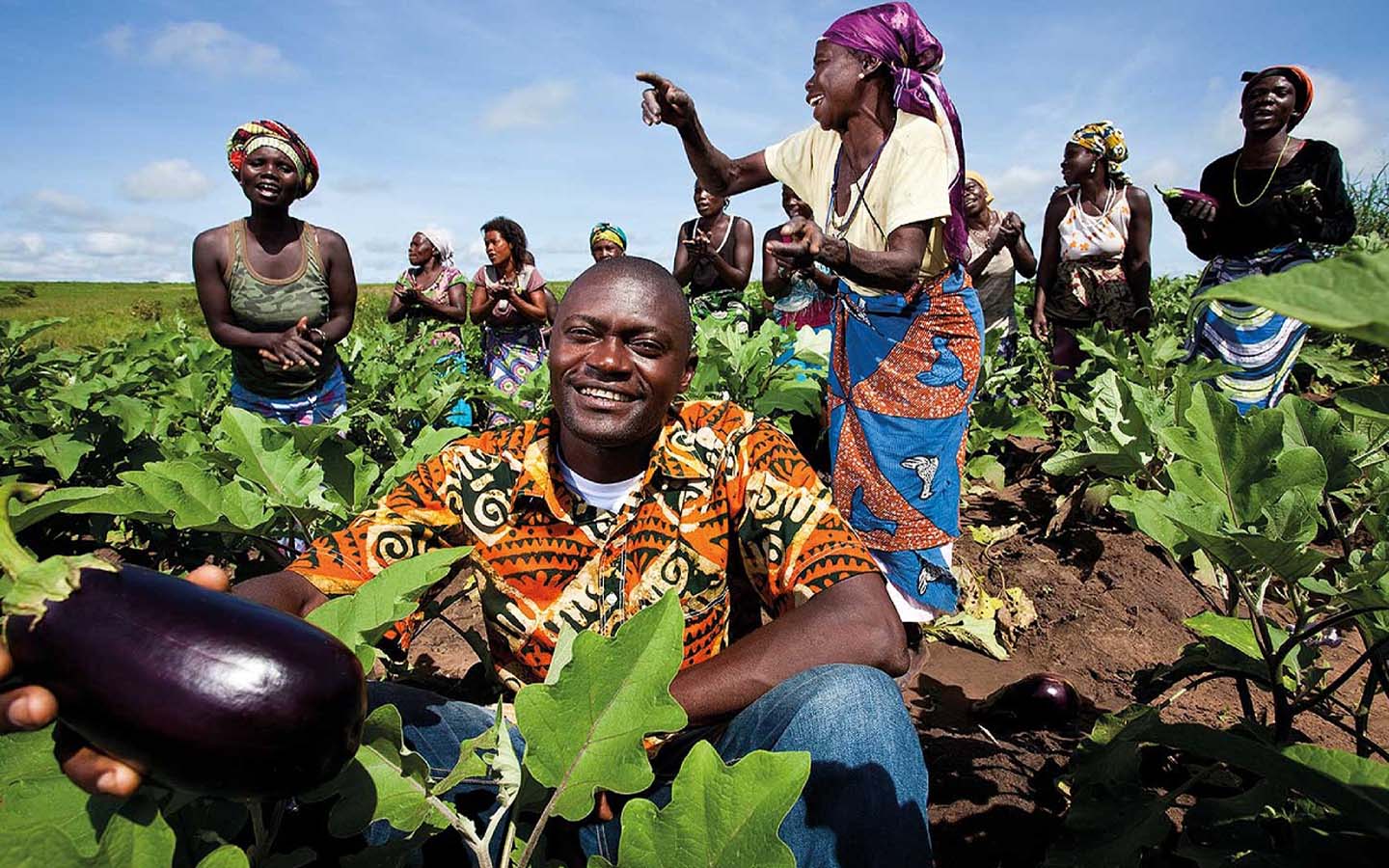
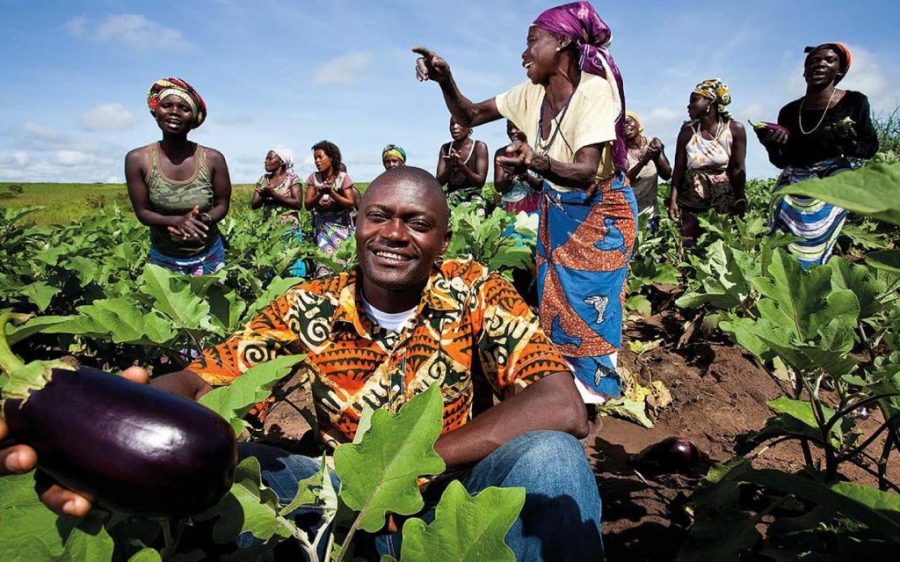
A formal proposal for Brazilian investments in food production, technology transfer and agricultural cooperation in Angola brings the two countries one step closer to cooperating on food production, reports the Portuguese business newspaper Jornal Ecónomico.
Brazil’s agriculture minister Carlos Fávaro announced the progress on the agreements following a meeting with an Angolan delegation led by economic coordination minister José de Lima Massano.
Fávaro said the Brazilian proposal was developed “by a working group with producers, business leaders, and the Brazilian government, for investments in Angola, technology transfer, and cooperation, so that Brazilians and Angolans can produce more on lands identified as having great potential.”
When asked how much Brazil planned to invest, Fávaro said the limit depends on demand. “The more Brazilian and Angolan producers demand financing to produce, the more the Brazilian government … is willing to make the necessary investments,” he told reporters.
[See more: Angola to invest US$1.3 million high-yield seeds]
Four major Brazilian groups have identified areas and opportunities in corn, soybean, cotton, beef and pork production. “They came here to directly express to the Angolan government their willingness and desire to invest in Angola and to have Angolans also participate in this production,” Fávaro said.
Around 30 Brazilian business groups are developing a model for joint investment in infrastructure and operations across Angola, and prospecting has already been carried out in several areas.
The Brazilian delegation will conclude its mission on Friday with the signing of a “historic” agreement, Fávaro said on social media, that will increase food production in Angola and generate more opportunities for Brazilian industry.
In March, the Angolan delegation will travel to Brazil to finalise technical adjustments and begin operations. “We now want to hear how the Angolan government can also participate, to finalise the structure and then (…) have the investments start to take place,” he told reporters.