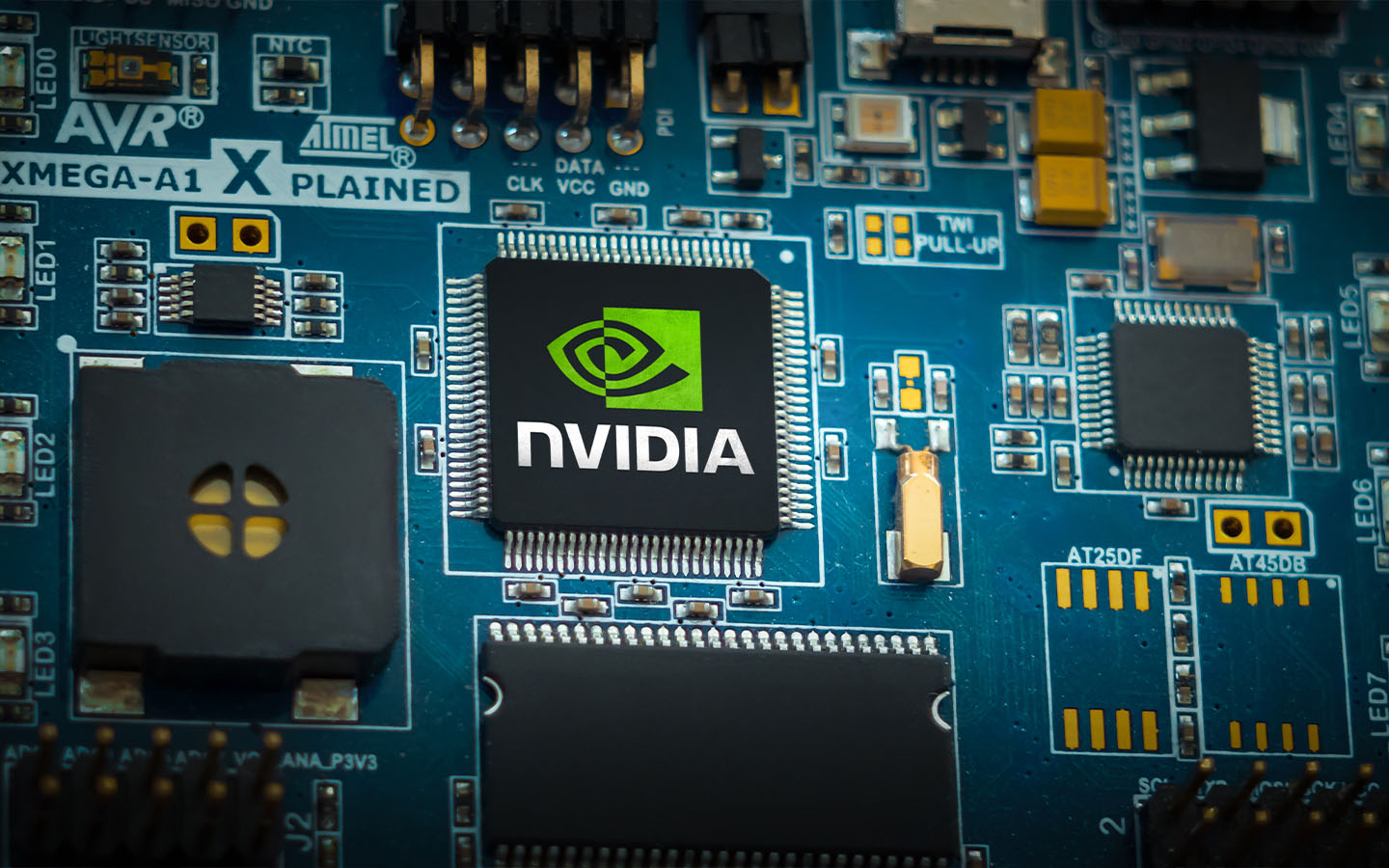
China is not necessarily dependent on Nvidia for advanced artificial intelligence (AI) chips or ecosystem support, analysts said on Tuesday. Their comments come after Washington agreed to permit the shipping of the California-headquartered company’s advanced H200 processors to approved Chinese customers, in exchange for a 25 percent cut.
Tu Xinquan, director of the China Institute for World Trade Organization Studies at the University of International Business and Economics, told China Daily that while the move was positive, Chinese buyers’ purchasing decisions would depend on their individual security considerations.
“AI is a highly sensitive field, and certain security risks remain,” he noted. “Adoption will likely vary by type of institution – some enterprises may proceed with purchases, while others will remain cautious.”
[See more: The US will permit the export of Nvidia’s advanced AI chips to China]
China’s internet regulator, the Cyberspace Administration of China (CAC), has previously asked Nvidia to prove its products were free of hidden vulnerabilities that could give the US ways to monitor or control them from afar.
Another reason Nvidia chip sales may not take off in China was local competition, CNBC reported, describing the country as on a “drive to wean itself off American technology.” It pointed to products made by Huawei, Alibaba, Baidu and other Chinese start-ups that already – or could soon – give Nvidia a run for its money. Earlier this year, Nvidia CEO Jensen Huang announced that if the US continued to restrict chip exports, Huawei could begin to meet demand in China.
Neil Shah, a partner at Counterpoint Research, agreed that China’s AI ecosystem was catching up to the US’ fast, and that relying on Nvidia chips would be a “liability with a hanging sword of political uncertainty.” According to Shah, “domestic self-sufficiency [is] the only viable long-term strategy for Beijing.”
[See more: Chinese scientists are using optical computing to rival Nvidia’s chips]
However, he also said the US chips remained ahead of China’s in terms of performance and power efficiency, and those were reasons for Chinese firms to buy Nvidia’s products in the short term.
George Chen of the Asia Group echoed this sentiment, telling CNBC that Nvidia had “a good time window to sell H200” now, but that it wouldn’t be open forever. “[President Xi Jinping] will not be foolish that today [US President] Trump can sell H200, and then China just totally relies on US chips. Huawei, Alibaba and other Chinese tech developers remain strategically important for China’s marathon to win the AI race and this will be a long race,” he added.
US chip curbs have been part of Washington’s aggressive bids to contain China’s rise in the economic, geopolitical and technological arenas. While H200 chips are significantly more advanced than Nvidia chips available to China to date, the company’s most advanced chips still remain exclusively for US usage.