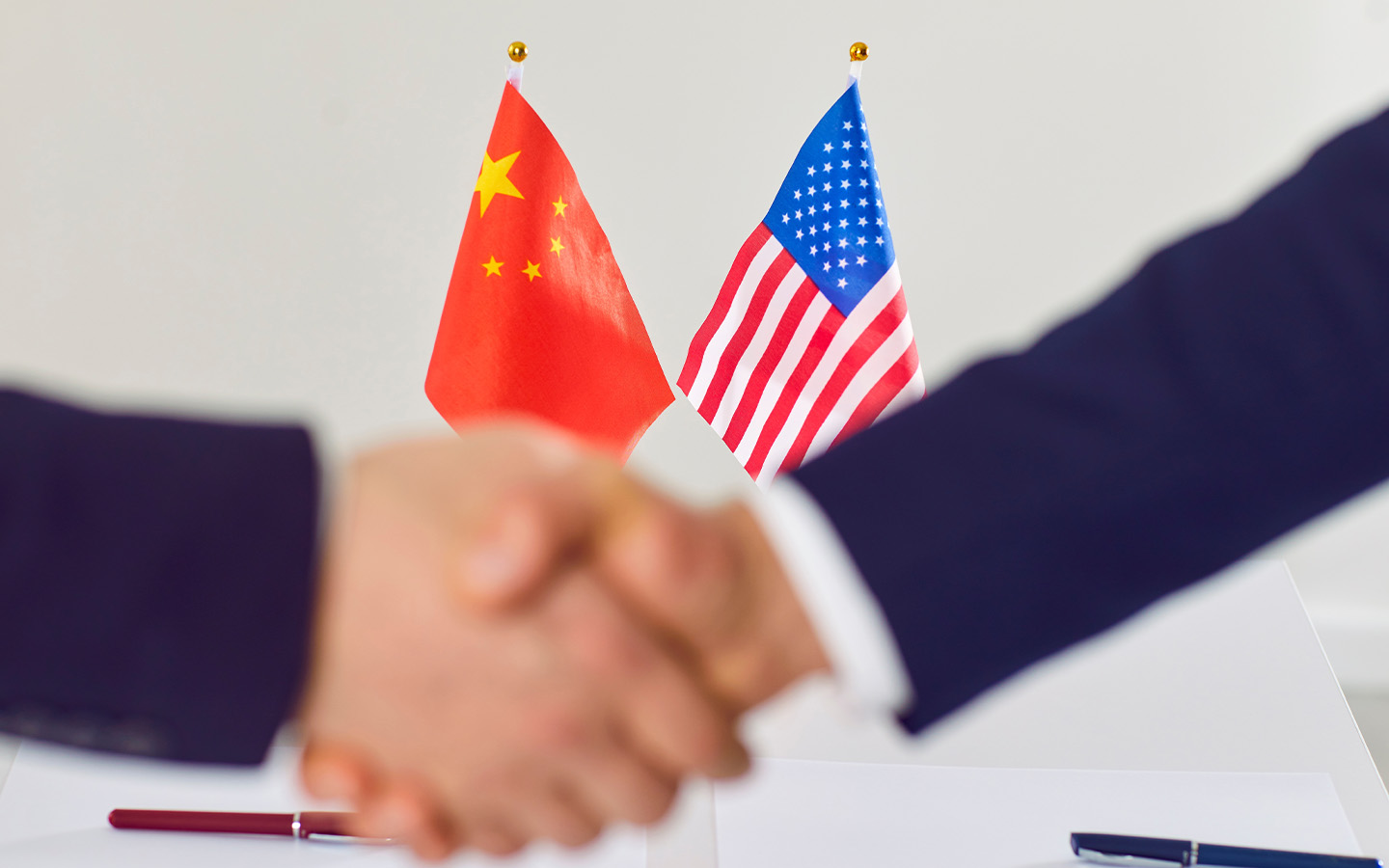
China and the United States have agreed to explore setting up a new cooperation mechanism on trade and investment following two days of talks in Paris, in a modest but notable sign of stabilisation in their economic relationship, according to multiple media reports. The move was announced by China’s Ministry of Commerce after Chinese and US delegations held what Beijing described as “candid, in‑depth, and constructive” discussions in the French capital from 15 to 16 March, in line with consensus reached earlier between the two countries’ leaders.
Ministry spokeswoman He Yongqian told a regular press briefing that the two sides had focused on economic and trade issues of mutual concern, including tariff arrangements, ways to promote bilateral trade and investment, and how to implement outcomes from previous consultation rounds.
While no detailed timetable or structure for the new mechanism was released, both governments agreed to “study” its establishment and to keep making use of existing consultation frameworks, suggesting an incremental approach built on channels already in place.
[See more: China posts ‘hard-won’ record trade surplus in 2025]
According to He, the talks produced “new common understandings” and a commitment to maintain communication. Both sides agreed to step up dialogue, manage differences “properly,” and press ahead with practical cooperation to support what Beijing called the “steady and sound” development of bilateral economic and trade ties. The language echoes recent high‑level messaging from both capitals that, despite strategic rivalry, they want to avoid unchecked escalation in the economic sphere.
No specifics were offered on potential tariff changes or sector‑specific arrangements, and there was no mention of highly contentious areas such as export controls on advanced semiconductors or measures targeting firms on national security grounds. Instead, the emphasis was on process: creating a framework that could give officials a regular forum to address disputes and push forward on pragmatic cooperation, for example in areas where businesses on both sides have been lobbying for more predictability.
The Paris meeting fits into a broader pattern of stepped‑up contacts since late 2023, when the two countries’ presidents met in California and pledged to put a floor under relations. Since then, economic and trade officials have been tasked with finding specific confidence‑building measures, even as broader tensions over technology, industrial policy and geopolitics persist.