
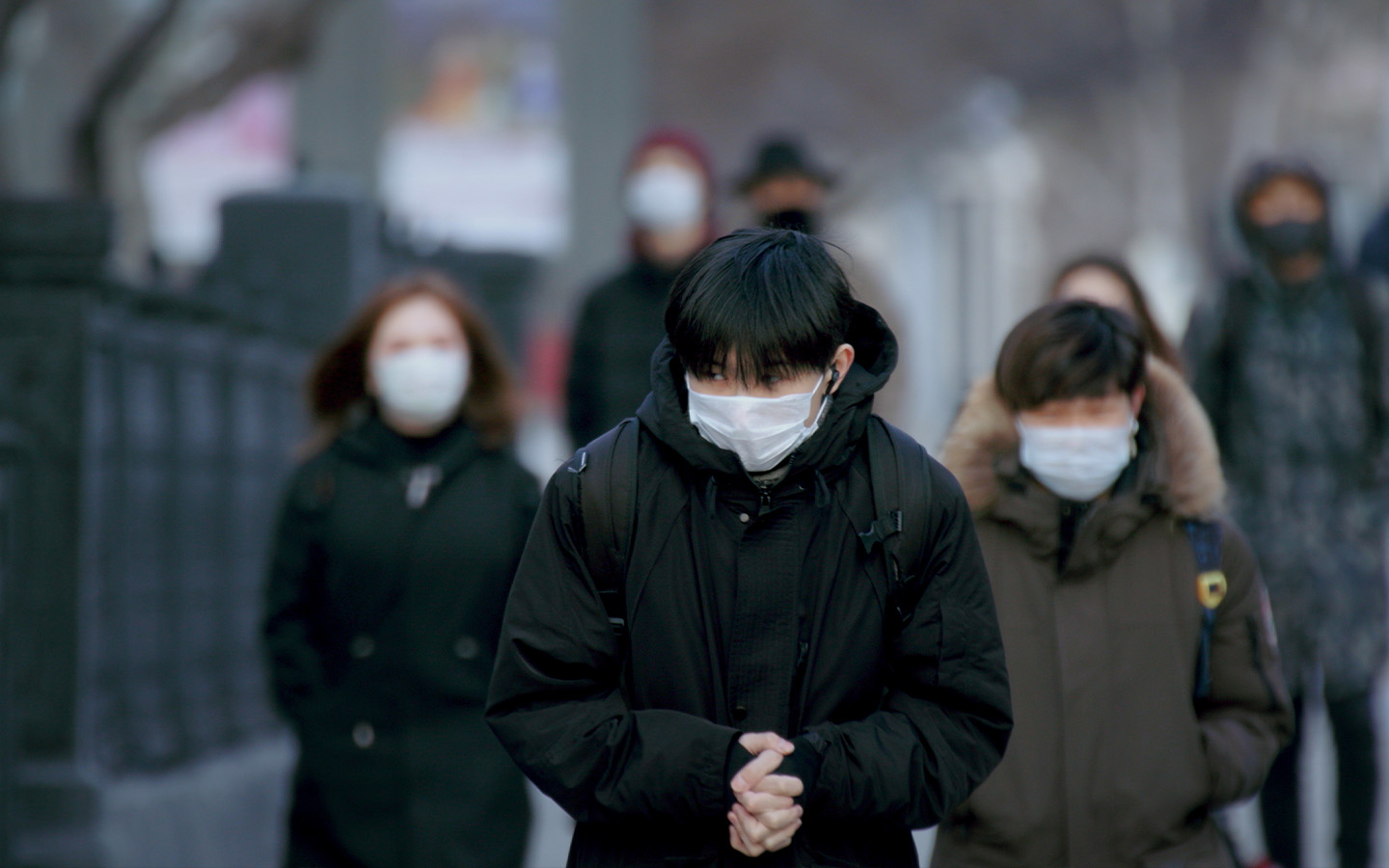
China is grappling with a sharp rise in influenza cases, with the H3N2 strain driving widespread outbreaks across 17 provinces and causing some schools to temporarily close, multiple media outlets report.
Data from the Chinese Center for Disease Control and Prevention (China CDC) shows H3N2 accounts for more than 95 percent of infections nationally and nearly all cases in Beijing. The outbreak is hitting children aged 5 to 14 the hardest, and officials said one child had died after contracting the virus.
Wang Dayan, a researcher at the China CDC, has predicted the flu season will likely peak by mid-December. However, “it will take some time for influenza activity to fall to a low level, so prevention and control measures must not be relaxed over the next six to eight weeks,” she said last week.
[See more: Gambling on health: Studio City opens its own hospital]
Wang urged employers and organisations to ramp up their vaccination campaigns, and offer door-to-door vaccination services for employers with a large number of personnel, if possible. She advised elderly people with chronic diseases, children and pregnant women to take appropriate health precautions like reducing time in crowded or poorly ventilated spaces.
Beijing officials said that flu season in the capital started around mid-November – four weeks earlier than last year. Current positivity rates were higher than last year, but below those recorded in November 2023, it noted.
Several schools across the country have suspended classes due to infection clusters – described by Wang as “markedly higher” than last year’s – while social media users have posted imagery of overflowing hospital waiting rooms and reported lengthy wait times to be seen.