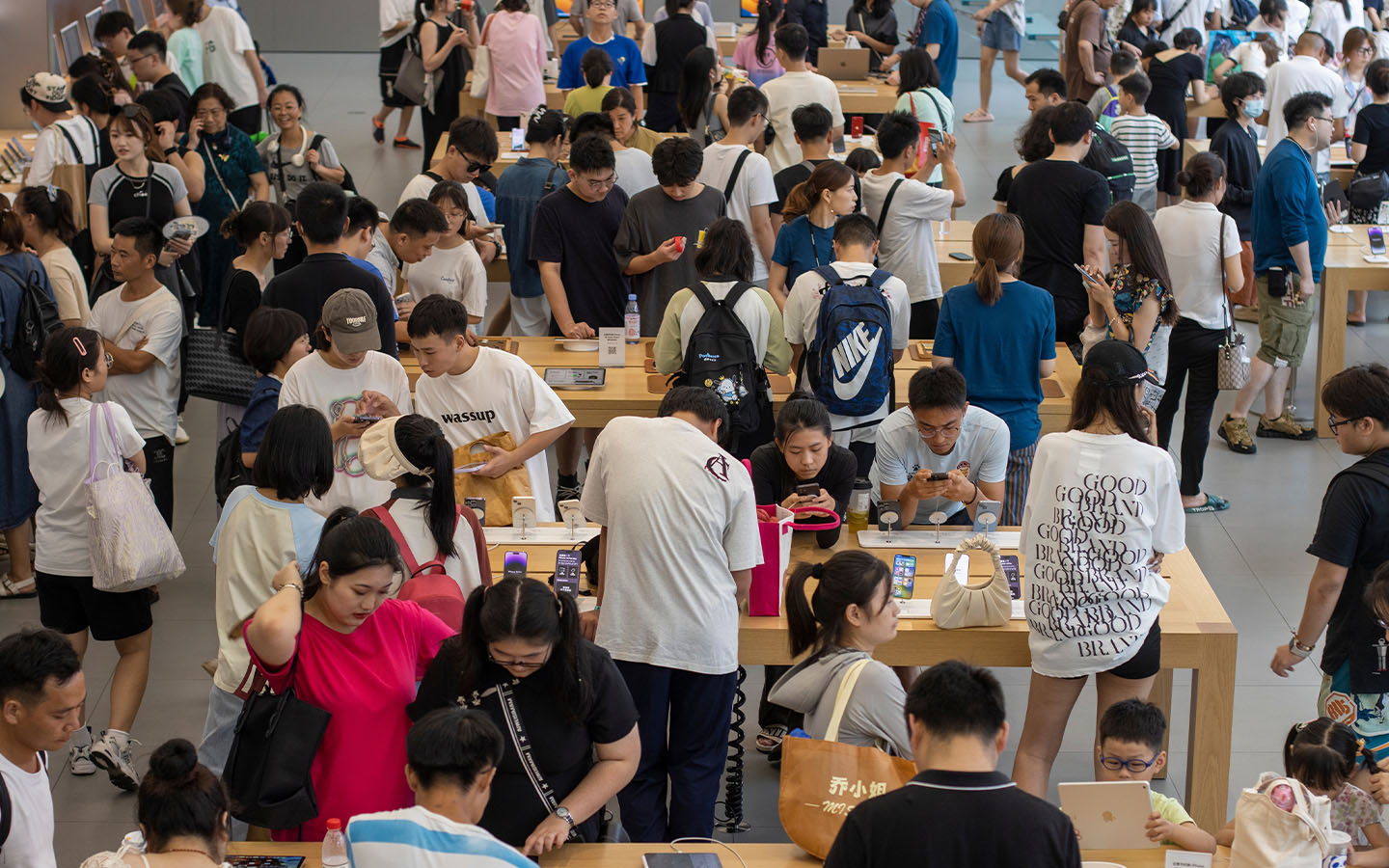
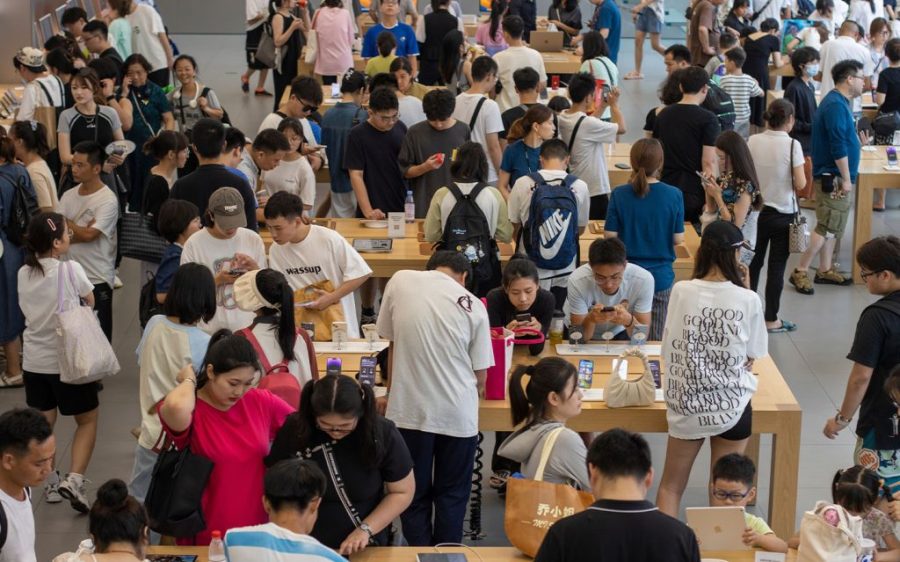
China will roll out a new package of policies over the next five years to lift domestic consumption, drive private investment and address what officials describe as a persistent imbalance between strong supply and weak demand, multiple media outlets report. The push comes after China met its 5 percent economic growth target last year largely on the back of exports, while domestic spending remained subdued.
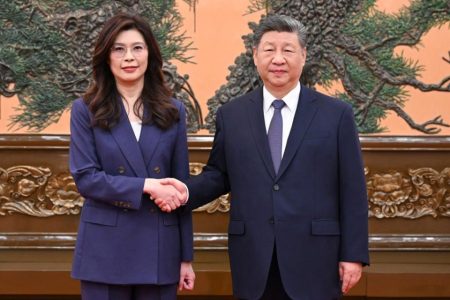
Speaking at a Five-Year Plan seminar on Tuesday, President Xi Jinping pledged to “make domestic demand the main driving force of economic growth.” He also noted that upstream and downstream industries across the country needed to coordinate more closely, with each region and sector identifying its role in the economic landscape.
To support this vision, the Finance Ministry has extended interest subsidies for personal consumption loans, including credit card instalments, and for service-sector businesses through the end of 2026. Officials said the move was intended to lower borrowing costs and boost households’ willingness to spend.
[See more: China’s GDP hits its 2025 target, but quarterly growth slows]
The ministry also unveiled a 500-billion-yuan loan guarantee programme, to be implemented over two years through the National Financing Guarantee Fund, aimed at supporting private investment by micro, small and medium-sized enterprises. The scheme will cover both long-term loans and day-to-day financing needs such as factory expansions, shop renovations and working capital.
Additional measures include loan interest subsidies of up to 1.5 percentage points for eligible small and medium-sized firms, with caps on both loan size and subsidy amounts, as well as expanded support for equipment upgrades and technology innovation loans from 2026. Coverage of service-sector subsidies has been widened to include digital, green and retail businesses.
The National Development and Reform Commission (NDRC), meanwhile, has said that it is drafting an implementation plan for 2026 to 2030 that aims to significantly raise the share of household consumption in the economy, with services such as healthcare, elderly care and leisure identified as key growth areas.
China’s broader demand-side strategy will be embedded in the 15th Five-Year Plan, expected to be approved in March. NDRC vice head Wang Changlin said policymakers would introduce “innovative measures” to stimulate spending, acknowledging that the current “problem of strong supply but weak demand” was not sustainable.