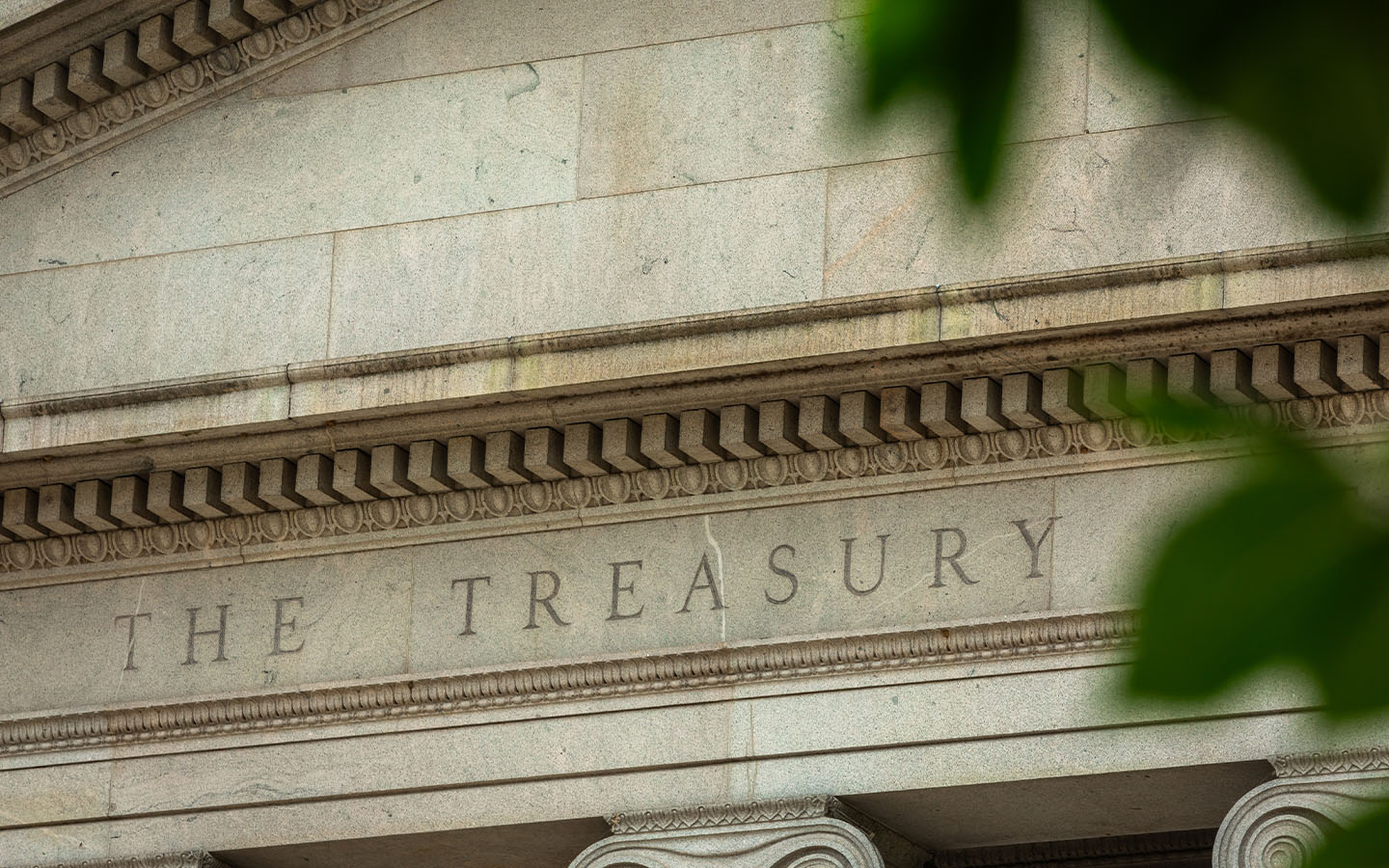
Chinese regulators have advised domestic banks to reduce their exposure to US Treasuries as global market volatility increases, according to a Bloomberg report citing people familiar with the discussions.
The guidance, understood to have been delivered verbally by officials to several of China’s largest financial institutions in recent weeks, reportedly urged banks to limit new purchases of US government bonds and to gradually trim existing positions where exposure is considered high. The advice did not apply to China’s official state reserves.
Bloomberg said it was framed as a risk-management measure driven by concerns over portfolio concentration and price swings in US assets, rather than as a loss of confidence in US government credit or a shift in foreign policy. Specific instructions around sizes and timing were not issued, according to the outlet’s sources.
[See more: Carney’s Beijing visit signals new phase of Canada-China cooperation]
US Treasuries have since dipped slightly, with yields edging higher in Asian trading, while the US dollar has weakened modestly against major currencies. The US dollar is currently sitting around its lowest level since early 2022
China’s caution comes amid wider unease in global markets over US fiscal policy under President Donald Trump, which has prompted investors and regulators to reassess risk exposure. Back in November, however, foreign holdings of US Treasuries hit a record US$9.4 trillion – up by more than US$500 billion since November 2024.
In contrast, China’s overall holdings of US government debt have been declining for more than a decade. According to Bloomberg, its Treasury holdings fell to about US$683 billion in November, the lowest level since 2008 and down from a peak of around US$1.3 trillion in 2013. China was overtaken by Japan as the largest foreign holder of US Treasuries in 2019 and by the United Kingdom last year.
Chinese regulators’ recent instruction to pare down holdings preceded a phone call last week between Chinese President Xi Jinping and Trump, who has said he plans to visit China as early as April. While tensions between the two global super powers remain, relations are less volatile since a trade truce was reached late last year.