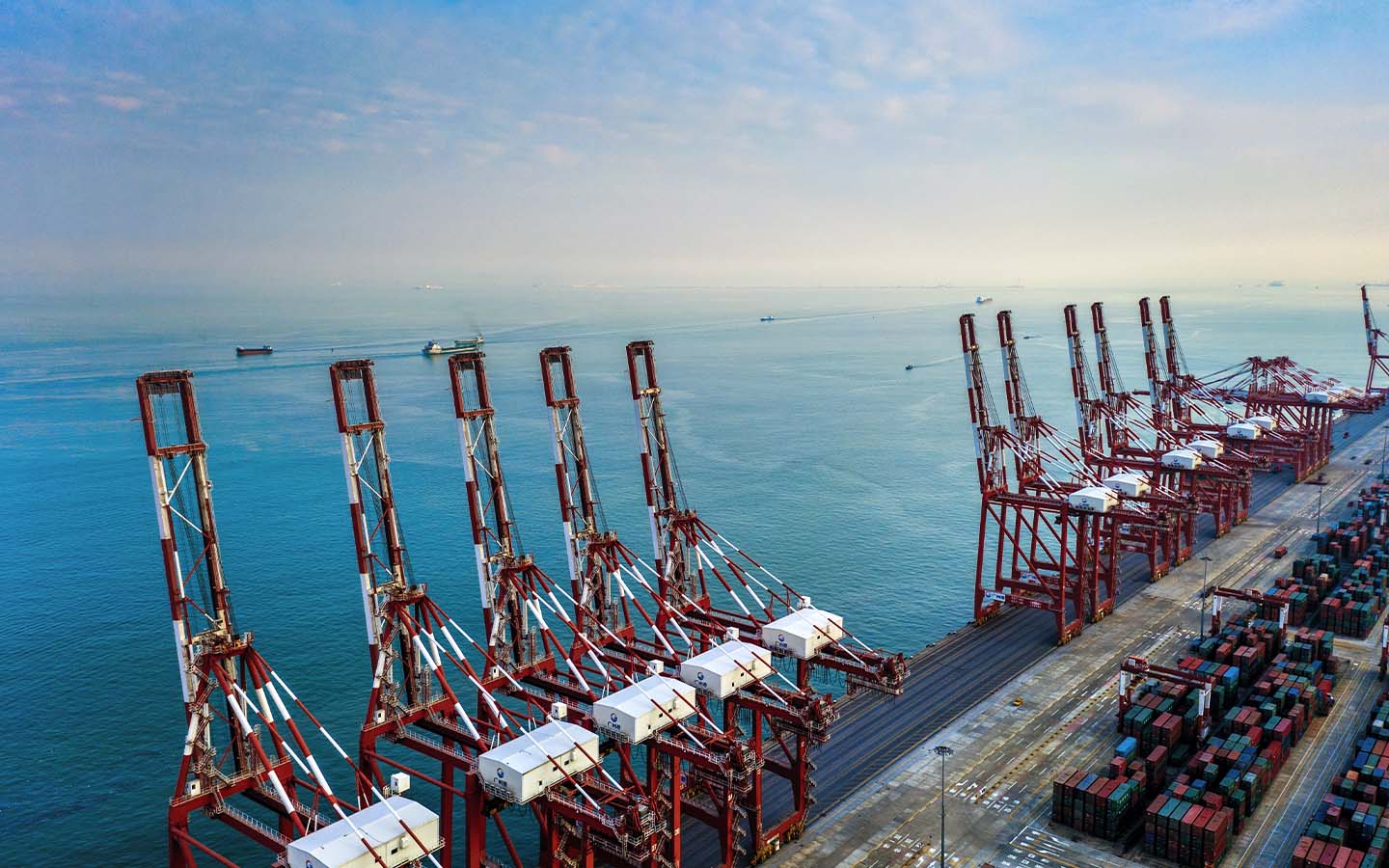
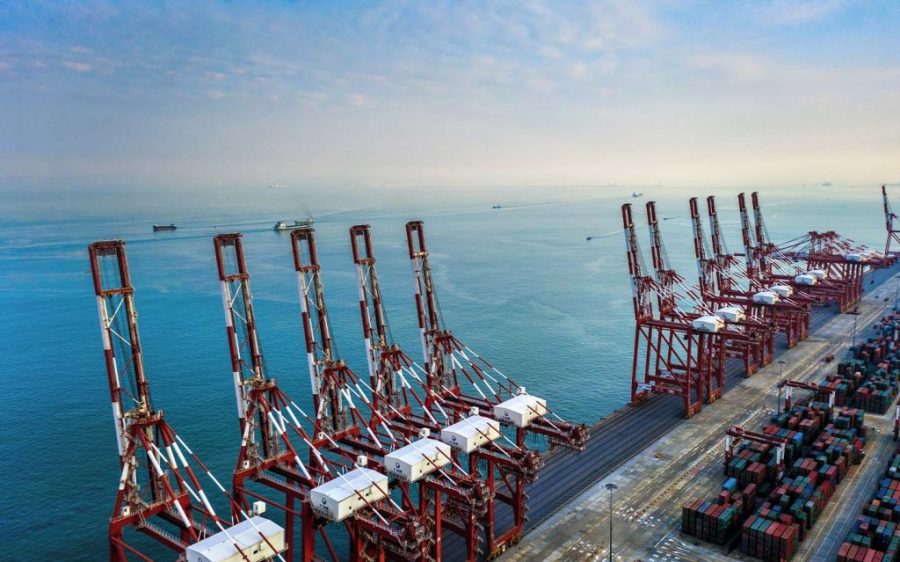
The Port of Nansha in Guangzhou has emerged as one of China’s fastest‑growing container gateways, positioning itself as a lower‑risk alternative to traditional South China hubs such as Shenzhen and Hong Kong according to the American Journal of Transportation.
Located at the mouth of the Pearl River, deep‑water Nansha has quickly become the largest port unit in the Guangzhou Port complex, with annual container throughput surpassing 20 million TEUs for the first time in 2024.
Local authorities say Nansha’s box volumes have been expanding by around 1 million TEUs a year, lifting Guangzhou’s total container throughput above 26 million TEUs and cementing its status among the world’s leading ports.
Recent milestones underscore that growth. In 2024, Nansha’s foreign trade containers exceeded 10 million TEUs for the first time and accounted for roughly half of its overall throughput – a rare ratio globally for a single port area.
Guangzhou Port Group executives have described the 20‑million‑TEU mark as a new starting point, with plans under way for a 14.5 billion yuan Phase V expansion that will add a further 6.7 million TEUs of capacity between 2026 and 2032.
[See more: Guangdong is aiming to double its GDP by 2036]
For shippers, Nansha’s appeal lies in a mix of scale, cost and connectivity. The port combines 17‑metre‑plus deep water, multiple automated container terminals and on‑dock rail links with dense barge connections into the Pearl River Delta, shortening inland legs to manufacturing bases in cities such as Foshan, Zhongshan and Dongguan.
Logistics specialists note that terminal and trucking costs are typically lower than at older, more congested gateways, while the dedicated port and logistics zone avoids many of the urban constraints that limit expansion elsewhere in the region.
Nansha also benefits from its status as a free trade zone and anchor for the Maritime Silk Road, handling a high share of containerised exports to ASEAN, North America and Belt and Road markets.
Port‑watchers say that the combination of rapid volume growth, ongoing investment and risk‑diversification by global cargo owners has turned Nansha into the pace‑setter in South China.