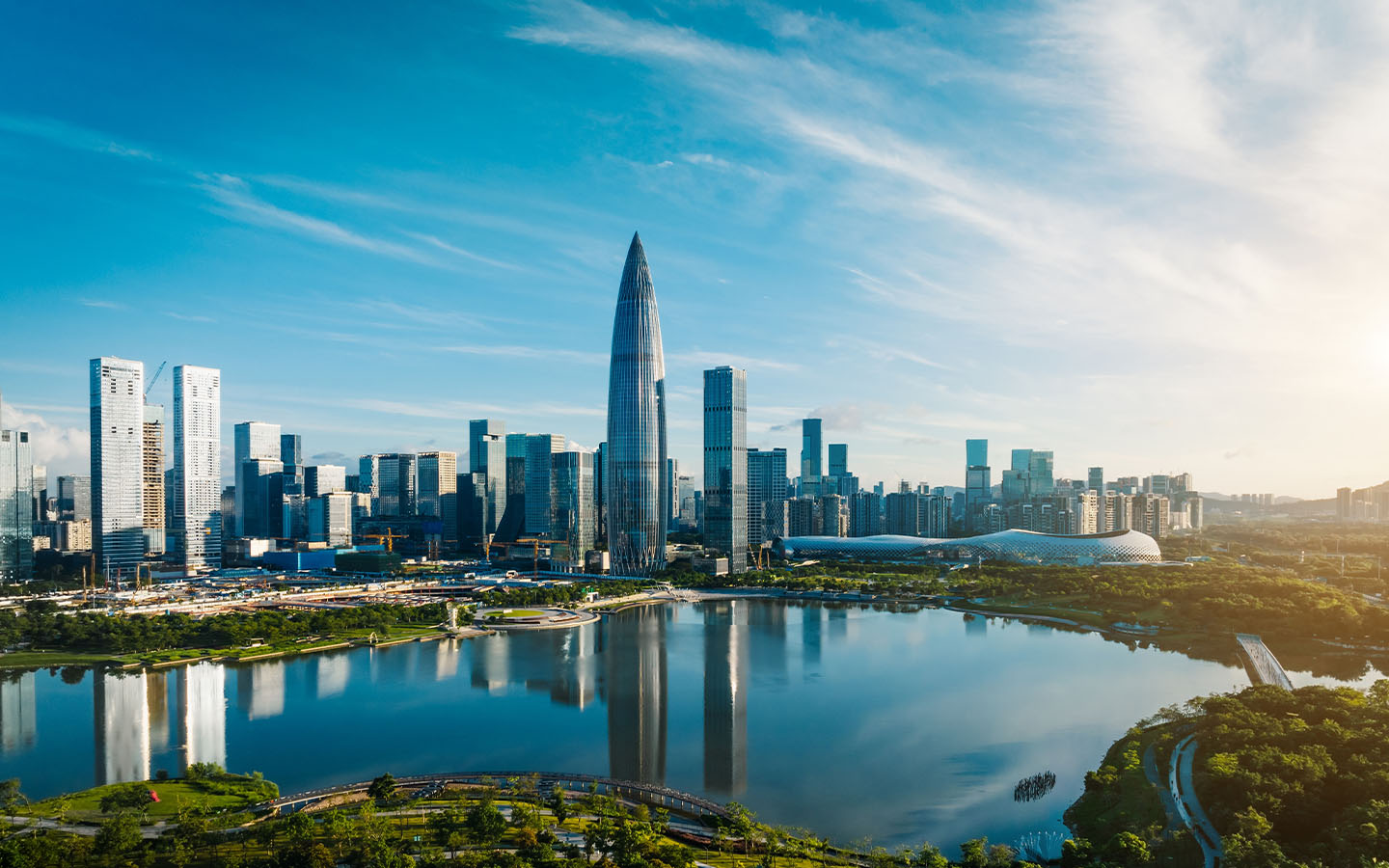
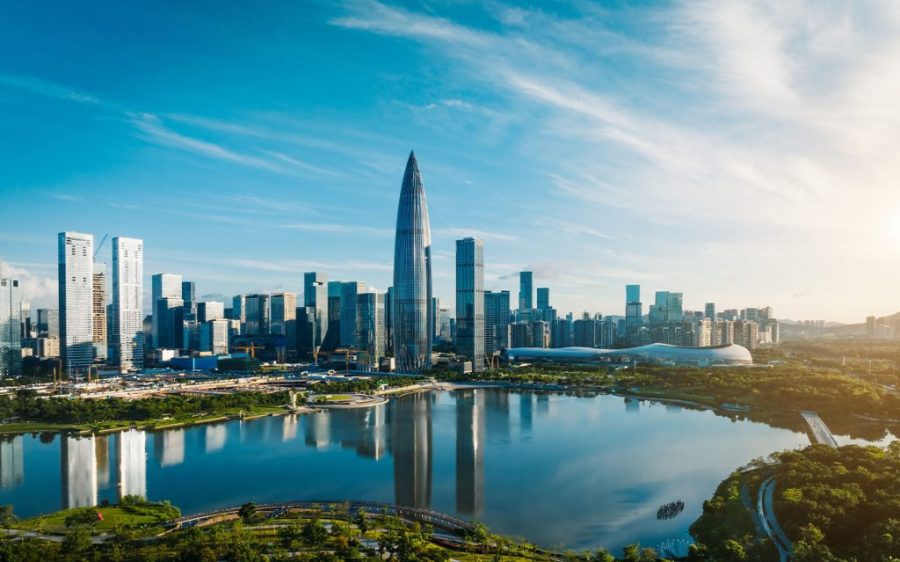
Shenzhen is moving to the centre of the Asia-Pacific stage as China prepares to host this year’s APEC Economic Leaders’ Meeting in the southern tech hub, with Foreign Minister Wang Yi pledging on Sunday that “APEC Shenzhen” will turn the long‑discussed vision of an Asia-Pacific community into concrete action.
Speaking at his annual press conference on the sidelines of the National People’s Congress in Beijing, Wang said China aims to make the Shenzhen summit “a new starting point” for building an Asia-Pacific community, with the year’s agenda framed around the theme “Building an Asia-Pacific Community to Prosper Together.” He said leaders gathering in the Guangdong metropolis in November would focus on three priorities – openness, innovation and cooperation – and that China hopes to “find an answer in Shenzhen” that delivers consensus, clear priorities and “workable steps” for regional integration.
Shenzhen’s selection as host city is itself part of the message Beijing wants to send. A mere village just 50 years ago, the city has become a flagship of reform and opening up and a core engine of the Greater Bay Area, with strengths in sectors from electronic information and new energy to artificial intelligence. Central and local officials say this innovation record closely aligns with APEC’s focus on digital transformation, green growth and new quality productive forces, making Shenzhen a live “demonstration” of the development path the bloc is debating.
[See more: Shenzhen’s Futian district launches internationalisation drive ahead of APEC meeting]
City leaders have been keen to underline their readiness. Shenzhen Mayor Qin Weizhong has pledged to provide “professional, orderly and secure” services for the Economic Leaders’ Meeting, scheduled for 18 to 19 November, and to mobilise resources across all departments to ensure high‑standard logistics, security and urban management. The city has already hosted over 1,100 foreign delegations in recent years, and officials highlight its upgraded transport network, new conference facilities and multilingual public services as proof it can manage an event of APEC’s scale.
For the Greater Bay Area, the summit is expected to showcase Shenzhen as a regional gateway and platform rather than an isolated venue. Analysts say the city’s role as a connector between mainland China, Hong Kong and Macao will be on display as leaders discuss supply‑chain resilience, cross‑border innovation and deeper market opening, with Shenzhen’s experience in tech, finance and advanced manufacturing likely to feature in side events and business dialogues.
APEC 2026 is China’s third time hosting the forum, after Shanghai in 2001 and Beijing in 2014, and coincides with the launch of the country’s 15th Five‑Year Plan. Wang said the “APEC China Year” would see over 300 related events in cities nationwide, but that it is in Shenzhen where Asia-Pacific economies will ultimately “chart the course and rally strengths” for the next phase of cooperation.