
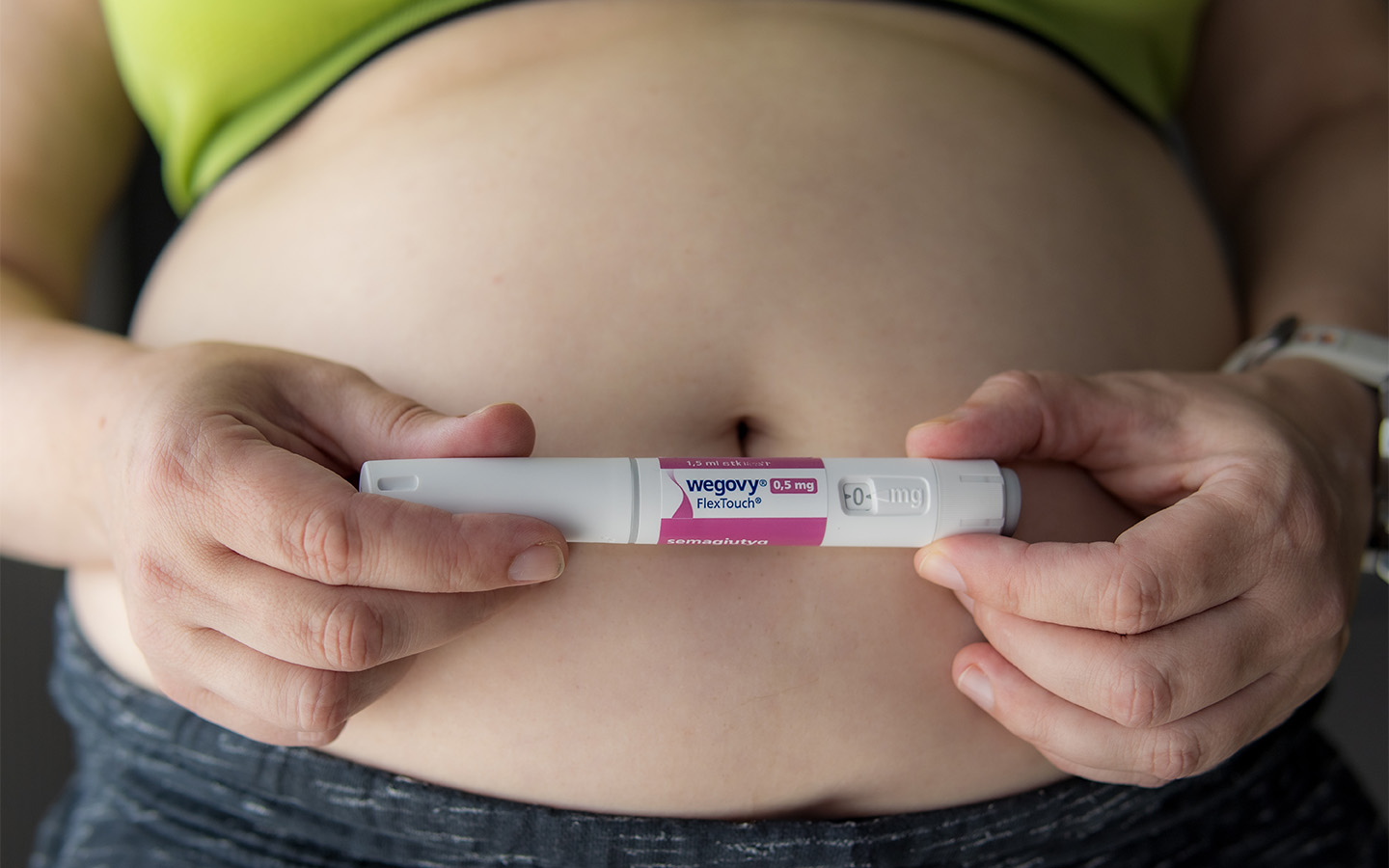
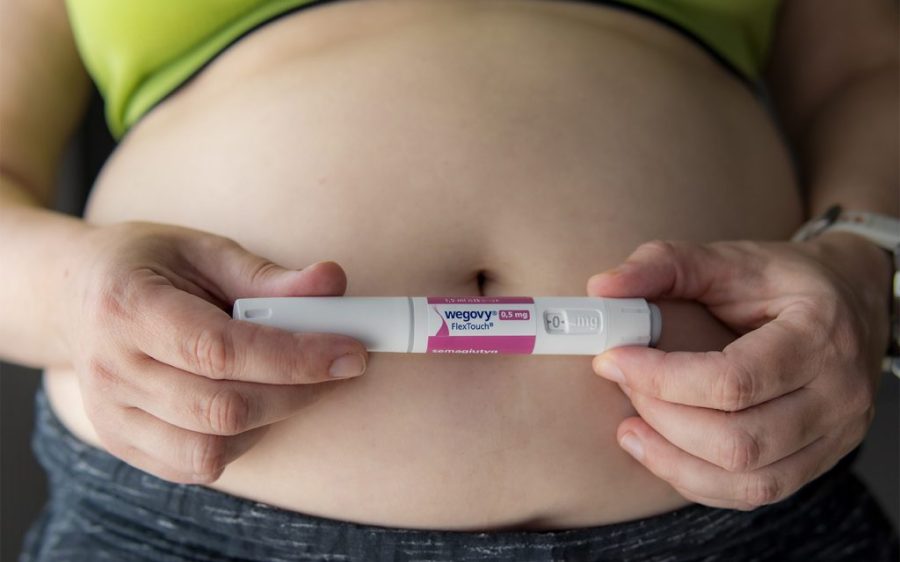
New analysis suggests that quitting weight loss jabs leads to weight returning four times faster than with traditional diet and exercise plans.
Building on the work of previous studies, which have suggested that people on GLP-1 weight loss jabs regain the weight within a year of stopping medication, the new meta-analysis led by researchers at the University of Oxford provides both a rate of weight regain and estimated time frames for weight and metabolic reversal, the BBC reports.
Researchers reviewed 37 existing studies on weight loss medications, involving more than 9,300 participants, and found that those who quit the costly jabs regain weight at an average of 0.4 kg a month. Ceasing treatment with newer, more effective GLP-1s accelerated regain even more, independent of initial weight loss.
In less than two years, participants on any weight loss drug returned to their original weight, having already lost the cardiometabolic benefits months earlier.
[See more: The WHO has issued guidelines on weight loss drugs like Ozempic and Wegovy]
This is likely because of how GLP-1 agonists work. Glucagon-like peptide-1 is a hormone naturally produced by the body to help signal fullness to the brain and the gut. Weight loss drugs mimic natural GLP-1 by increasing the secretion of insulin to lower blood sugar, slowing the movement of food through the digestive system and activating receptors in the brain.
“Artificially providing GLP-1 levels several times higher than normal over a long period may cause you to produce less of your own natural GLP-1,” Dr Adam Collins, an expert in nutrition at the University of Surrey, told the BBC, “and may also make you less sensitive to its effects.”
That doesn’t become a problem until the drug is removed. “It’s like a switch that goes on and you’re instantly starving,” one patient told the BBC in December. Each time she tried getting off the medication, the “food noise” came roaring back – this feeling of continuous hunger, of eating and eating without ever feeling full.
Experts interviewed by the BBC and the Guardian emphasised the need for behavioural changes alongside weight loss drugs, to help patients improve their diets, exercise routines and emotional relationship with food. Many said that GLP-1 treatments should be considered life-long, given the risk of relapse, even though the potential health risks of such use are largely unknown.