
In its latest report on global inequality, anti-poverty group Oxfam warns that the growing concentration of wealth among the billionaire class threatens to destabilise democracies around the world.
Drawing on academic research and other data sources, Oxfam paints a grim picture of the surging wealth of the global elite, fuelling growing economic and political inequality. Since the election of US President Donald Trump in November 2024, billionaire fortunes have grown at three times the rate of the previous five years. While those in the US have seen the sharpest gains, billionaires in the rest of the world also saw double-digit increases.
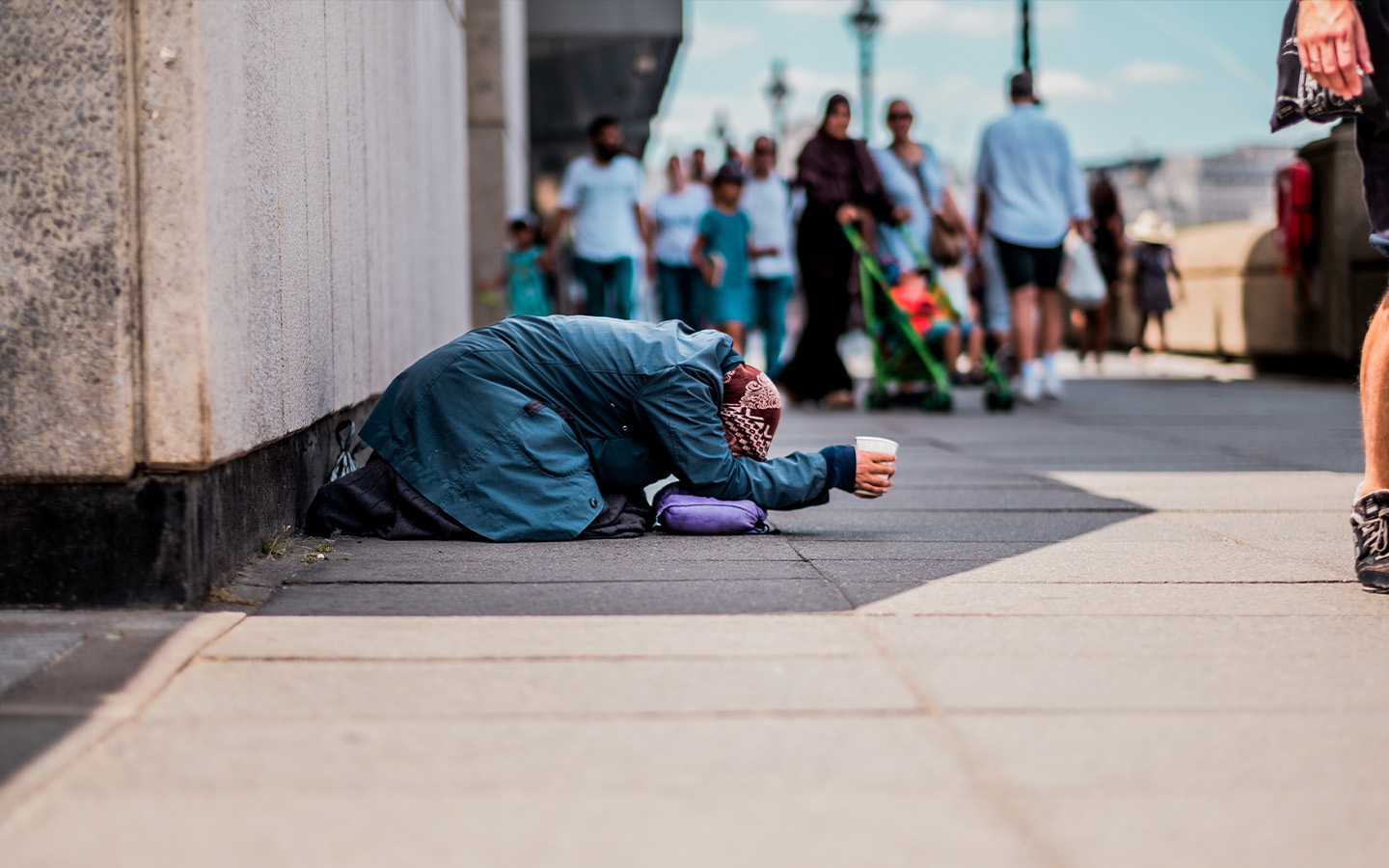
The number of billionaires is also growing, surpassing 3,000 for the first time, and their collective level of wealth is the highest ever recorded at US$18.3 trillion. Meanwhile, nearly half the world’s population (48 percent) lives in poverty and one in four struggle to eat regularly, up more than 42 percent in the last decade. Even some of the richest regions in the world have tens of millions living in food insecurity as life becomes increasingly unaffordable for everyday people everywhere.
Economic inequality is also fuelling growing political inequality. More than 11 percent of the world’s billionaires have held or sought political office, making them 4,000 times more likely to hold political office than ordinary people.
[See more: Global employment outlook marred by stalled progress and looming risks]
As people’s abilities to participate in politics and influence policy is eroded, protests against inequality and economic hardship have shot up around the world. Governments worldwide have responded with harsh crackdowns, attacks on civil liberties, and propaganda that, Oxfam says, frames marginalised people and not the ultrawealthy as the source of social ills.
The NGO adds that migrants are the most popular target of this systematic stigmatisation and scapegoating, blamed in country after country for issues like crime, cost of living increases and a shrinking social safety net. These messages are then amplified and reinforced by a media landscape dominated by billionaires, who own the majority of leading media, social and AI companies.
To turn the tide, Oxfam says countries must radically reduce economic inequality as well as political inequality, limiting the power of the super-rich through taxation, media regulation, and bans on lobbying and political donations.