
Christmas is celebrated in many ways around the world, but some of the world’s weirdest Christmas traditions go far beyond cosy carols and roast turkey. What may seem unusual to outsiders is, for many communities, a beloved ritual passed down through generations.
[See more: The Tap Seac Christmas Market opens on 16 December]
Many of these customs have surprising origins, from clever marketing campaigns and local folklore to practical considerations that turned into cherished annual events. Here are five of the world’s weirdest Christmas traditions that might make you rethink everything you thought you knew about the holiday season.
1. KFC Christmas dinner (Japan)
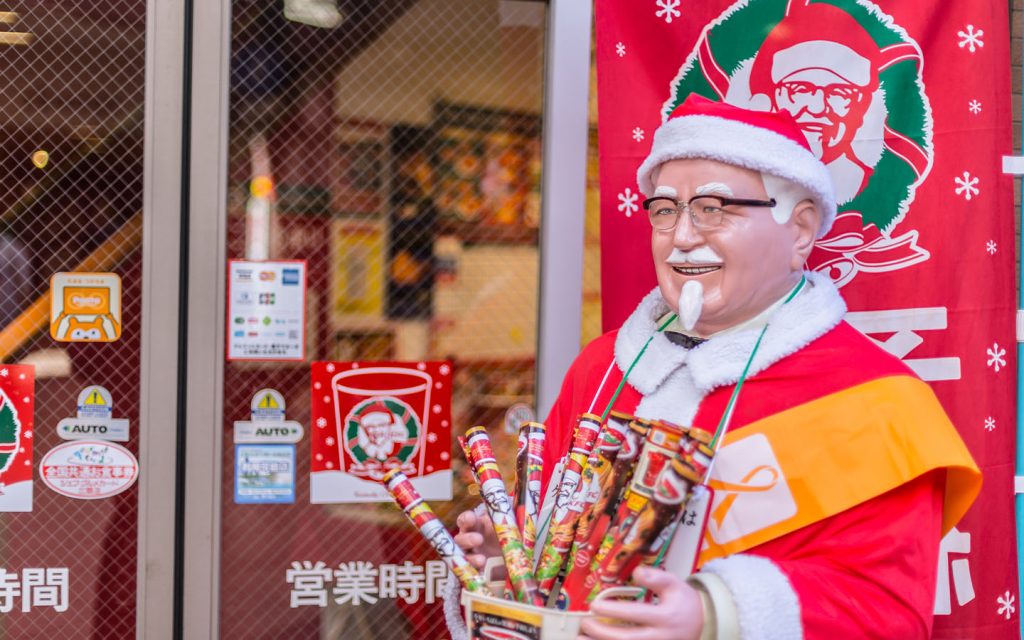
In Japan, Christmas Eve means Kentucky Fried Chicken. Every year, approximately 3.6 million Japanese families celebrate the holiday with buckets of fried chicken from KFC, making it one of the world’s oddest Christmas traditions and certainly one of the most commercially successful.
This unusual custom began in 1974 when KFC launched a wildly successful advertising campaign called “Kurisumasu ni wa Kentakkii!” (Kentucky for Christmas!). The campaign struck gold in a country where Christmas isn’t a national holiday and traditional Western Christmas foods weren’t readily available.
Today, customers must place their orders weeks, sometimes months, in advance to secure their Christmas feast. On Christmas Eve, KFC outlets sell approximately 10 times their usual daily amount.
The tradition is taken so seriously that in December this year, KFC opened its first-ever “KFC Christmas Restaurant” in Tokyo’s Roppongi Hills, serving luxury versions of its Christmas menu paired with wines selected by professional sommeliers. What started as a marketing ploy has become one of Japan’s most enduring holiday traditions.
2. Roller skating to midnight mass (Venezuela)

Between 16 and 24 December in Caracas, Venezuela, the streets have traditionally become a highway for an unusual mode of holiday transport – roller skates. Families strap on their skates and glide through the capital’s streets to attend early morning mass, making this one of the world’s weirdest Christmas traditions.
The tradition is so beloved that the city closes major roads to traffic specifically to accommodate the roller-skating worshippers. Children participate in a charming ritual, where they tie pieces of string to their big toes and dangle the ends out their windows while they sleep. Passing skaters tug at the strings as they roll by, serving as an early wake-up call.
Sadly, this joyful custom has declined in recent decades due to rising crime, political instability, and economic challenges facing Venezuela. Yet there’s hope that las patinatas, “the skating,” will one day make a full return, restoring the wonderful image of hundreds of people gliding through the streets together as dawn breaks, all headed to the same destination on eight wheels.
3. Chinese food at Christmas (Jewish Americans)
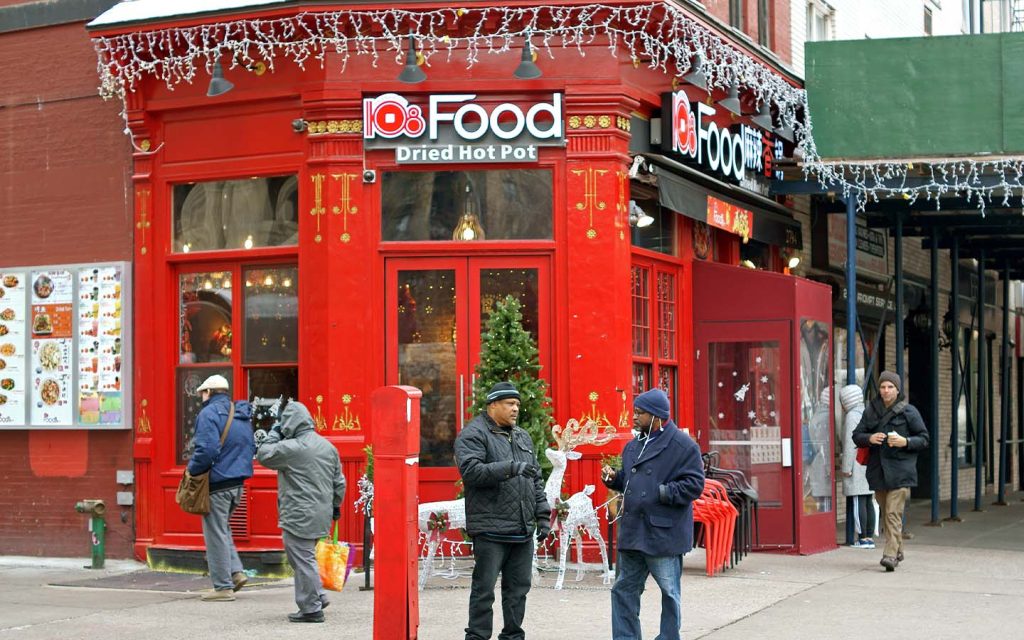
For many Jewish Americans, Christmas Day means Chinese food and a cinema trip. This cultural tradition has become so iconic that it’s been referenced in countless films and TV shows.
The custom dates back to at least the 1930s and likely emerged from simple practicality – Chinese restaurants were amongst the few establishments open on Christmas Day. For Jewish families who didn’t celebrate Christmas, these restaurants became welcoming spaces where they could enjoy a meal out. As comedian Ronny Chieng jokes in his Netflix special Asian Comedian Destroys America!, Chinese businesses “don’t shut down for anything,” they’re “affordable, delicious and open” at all hours and during holidays.
[See more: Mark your calendar: sports to watch over the Christmas break 2025]
The tradition is so universally recognised that in 2010, during Supreme Court confirmation hearings, Senator Lindsey Graham asked Elena Kagan where she’d been the previous Christmas. Kagan replied, “You know, like all Jews, I was probably at a Chinese restaurant,” drawing laughter and widespread media coverage. What began as a necessity has evolved into a cherished tradition that celebrates identity and community connection.
4. Spider web decorations (Ukraine)
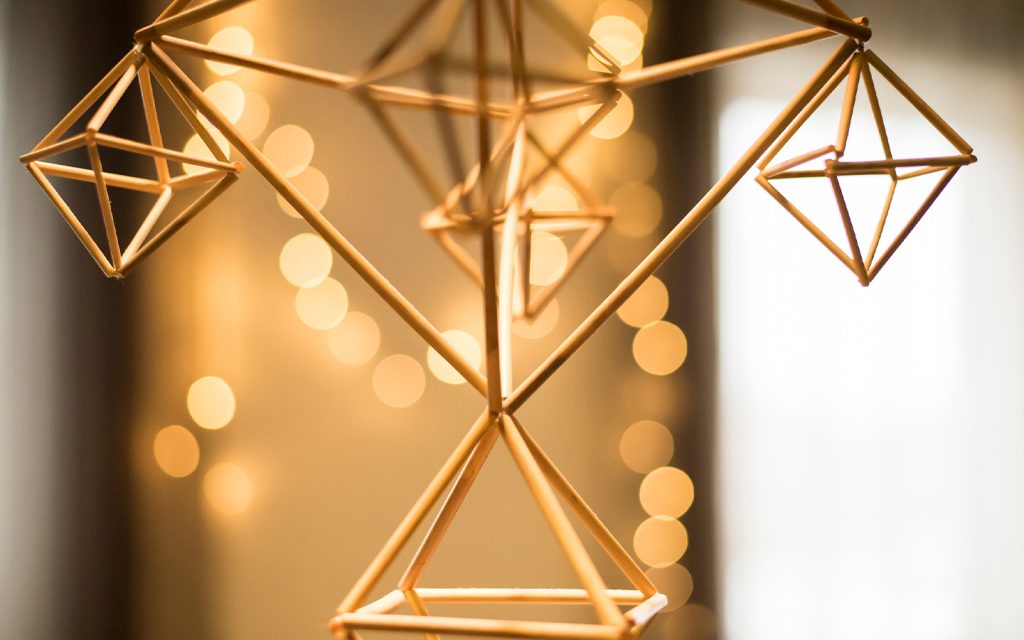
In Ukraine, it’s considered good luck to decorate your Christmas tree with spider webs, both real ones and ornamental versions called pavuchky. This charming custom has roots in a beloved folk tale where a helpful spider decorates a poor family’s tree with cobwebs that shimmer like silver in the morning light.
The legend has many variations. In some versions, a widow struggling to decorate her tree is visited by spiders on Christmas Eve who weave intricate webs across the branches. By morning, the webs have transformed into shimmering strands that catch the sunlight. In other retellings, it’s a wife awaiting her husband’s return from war, and sometimes Santa, St. Nicholas, or the Christ Child visits to bless the spiders’ work.
Beyond the folk tale, Ukrainians have a deeper tradition of spider-related decorations. The pavuk (meaning “spider” in Ukrainian) is an elaborate geometric mobile crafted from harvest straw that hangs from the ceiling like a chandelier. These handcrafted talismans were believed to trap negative energy and bring blessings and protection to households throughout the winter season. Their delicate, web-like forms reflect the interconnectedness of community and the cycles of life, a fitting symbol for a nation historically known as the breadbasket of Europe.
In Ukrainian culture, spiders themselves are cherished as messengers and harbingers of good fortune, making them beloved protectors of the home during the Christmas season.
5. The 13 Yule lads (Iceland)
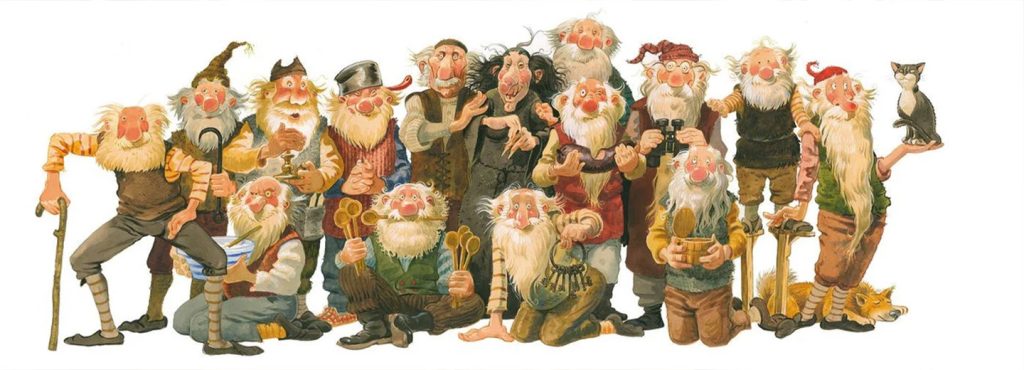
Forget waiting for Father Christmas on Christmas Eve, Icelandic children experience 13 nights of anticipation courtesy of the Yule Lads, mischievous troll-like characters who visit one by one during the 13 days leading up to Christmas.
Each Yule Lad has his own distinct personality and pranking speciality. There’s Door-Slammer (Hurðaskellir), who keeps people awake, Skyr-Gobbler (Skyrgámur), who devours Iceland’s signature dairy product, and Candle-Stealer (Kertasníkir), who follows children to steal their candles, and more. Children place their best shoes on the windowsill each night, and good behaviour earns sweets, while misbehaviour results in a rotten potato.
This Icelandic tradition captures the darker, more folkloric side of Christmas celebrations. The Yule Lads, with their specific quirks and troublemaking ways, prove that the world’s weirdest Christmas traditions don’t always have to be wholesome – sometimes the slightly unsettling customs are the ones that endure for generations.
From straw spiders to troll pranksters and fried chicken feasts, these global customs show just how imaginative holiday traditions can be. Whether rooted in folklore, practicality, or marketing genius, the world’s weirdest Christmas traditions remind us that there’s no one “correct” way to celebrate, but only the ways that bring culture and connection to the season.