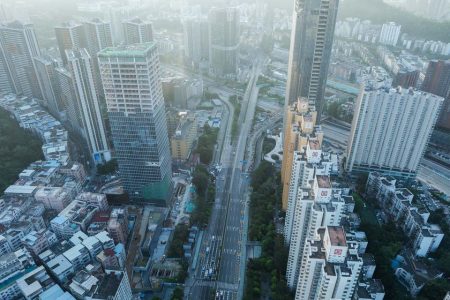
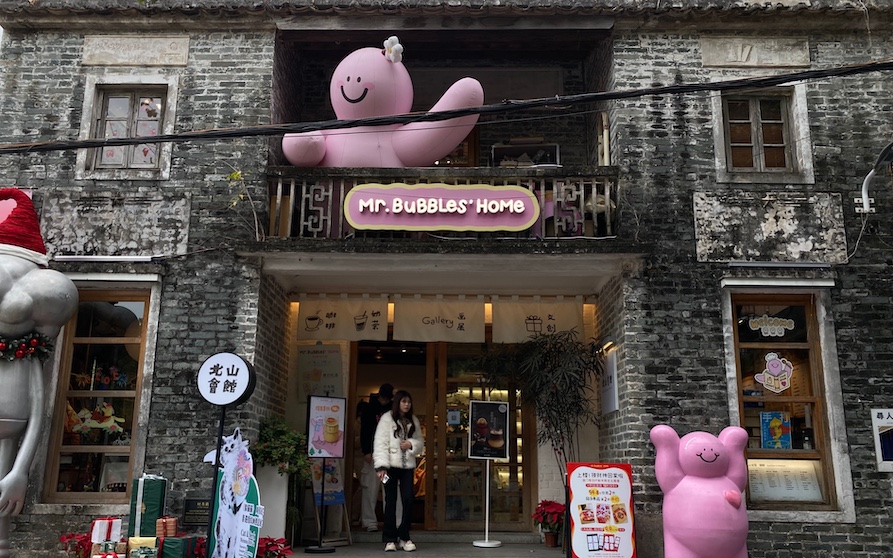
Beishan Village is an 800-year-old Lingnan historical village in Zhuhai that has since evolved into a creative gathering of artists, indie businesses, craft beer enthusiasts and foodies while preserving over a hundred historic structures.
[See more: First-time visitor to the Greater Bay Area? Here are 8 travel tips]
Here, you can experience the rebirth of a centuries-old weatherworn temple as a herbal tea bar, while a local theatre transforms into an arts and crafts market selling vintage clothes, secondhand books and fragrant bites to eat.
Read on for our guide to this Zhuhai gem.
In a nutshell
As you head into Beishan Village, what will likely strike you is that most of the area surrounding it is very residential. You will see shops selling Chinese wine or butchers displaying fresh meat, as well as roast meat shops and other quick and cheap eats. Delivery drivers weave deftly through the narrow streets. People play mahjong out in the open. Children linger outside shopfronts with toy bikes. You are undeniably right in the heart of a local community, but there are no trendy cafes to be seen – yet.
[See more: Here’s how to rent a shared bike in China]
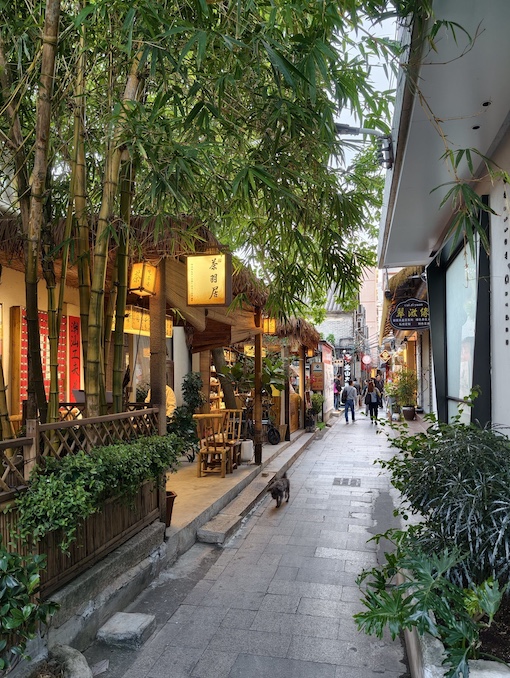
But then Beishan Village emerges like an oasis among the hustle and bustle of daily life. The garish and bright signs that characterise typical Chinese shopfronts give way to fairy lights, beautiful graffiti on walls and al fresco cafes. More young people begin to appear in your line of vision. It’s a bit quieter on a weekday, but the area still gets a decent amount of foot traffic.
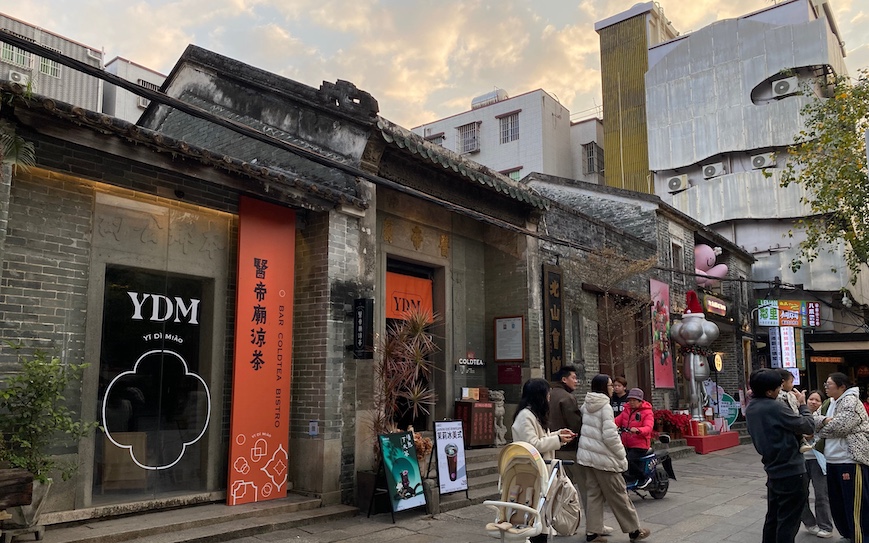
The heart of Beishan Village is quite compact, as the revitalised parts thread through only a handful of streets. You can easily spend a long afternoon here simply browsing and shopping. Pick up vintage porcelain, clothes, books, jewellery and more and relax for a drink in an internal courtyard.
[See more: Here’s a guide to the ‘other’ Greater Bay Area cities]
When the sun sets, the village’s ample and well-reviewed food and drinks choices make it easy to stay deep into the night. There’s even a hotel, Beishan Ju, located within the village itself if you want more time to soak the village.
The main attractions
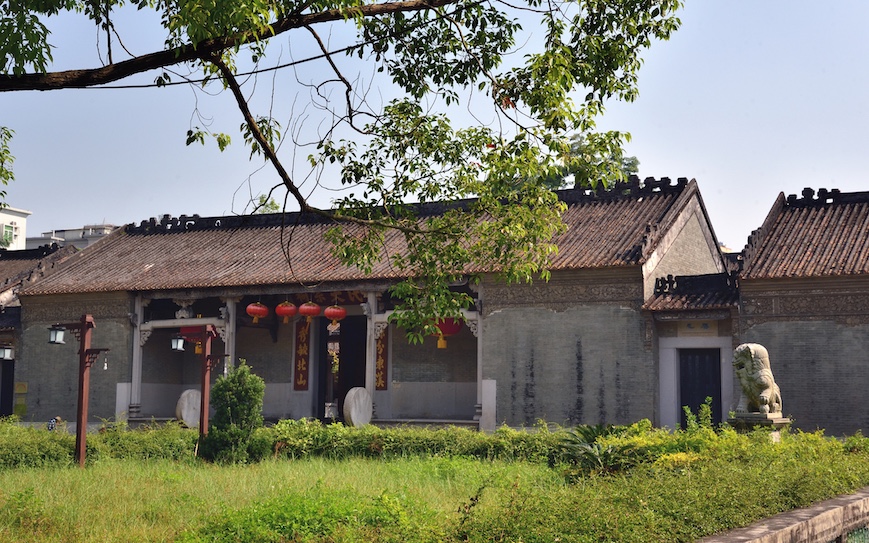
Constructed in 1828, the Yang Clan Ancestral Hall is the largest surviving ancestral hall from the Qing dynasty in Zhuhai. The ancestral hall bears close ties to the communist revolutionary Yang Paoan, preserving the legacy of his contributions through a memorial chamber, and also houses a bookshop.
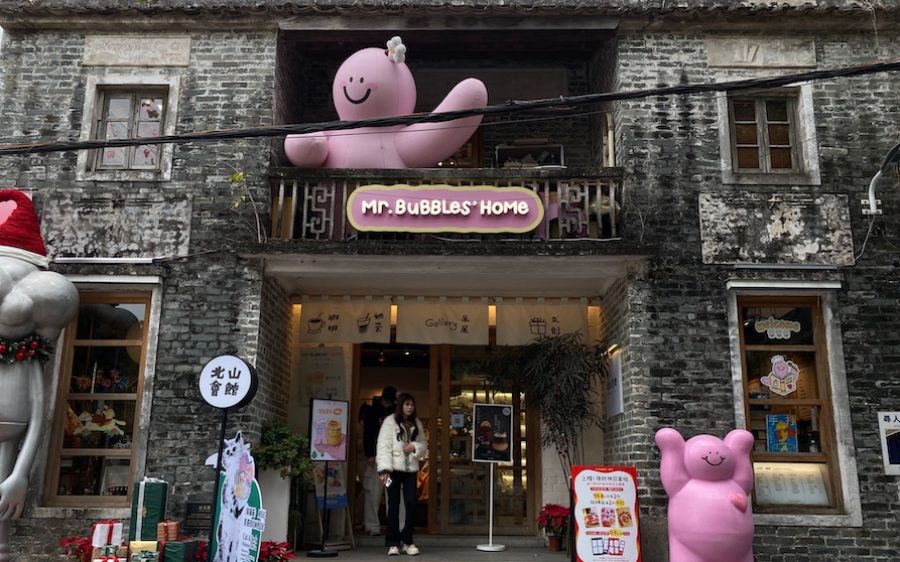
Beishan Hall is an arts space that was originally the Temple of the Immortal Doctor. Dedicated in 1859 to Hua Tuo, China’s first surgeon, Beishan Hall is now a relaxing space to browse crafts by local artists, and an exhibition space. The entirety of the second floor is currently home to Macao’s very own Mr Bubbles.
[See more: Hong Kong’s ‘Signature Sessions’ launch ahead of Asia’s 50 Best Restaurants 2026]
Within Beishan Hall is space to sit in the inner courtyard where you can choose to sip on coffees, specialty tea or herbal tea. Adjoining the courtyard is the YDM bar that serves herbal tea by day and TCM-inspired cocktails by night.
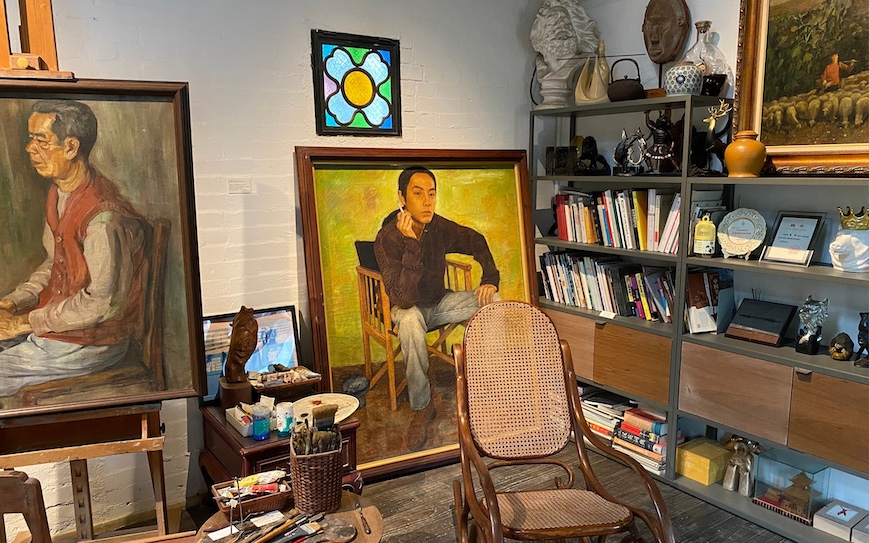
The inner courtyard is also where the Baoxia Yang Clan Ancestral Hall (保遐杨公祠) and the Chengchuan Yang Clan Ancestral Hall (澄川杨公祠) are located. Both of these halls have been transformed into surprisingly down-to-earth memorial spaces for notable figures like Xue Yihan, a famous printmaking artist and Xue Jun, the late curator of Beishan Hall and the founder of Beishan Music Festival, by displaying their works through an intimate aesthetic.
[See more: Shenzhen’s landmark smart arts centre opens with world-class festival]
The Old Goods Warehouse, which was once an old theatre, has become a multipurpose arcade packed with vintage cameras, clothes, stamps and porcelain. On the upper floor, there’s also a real barbershop and a secondhand bookshop which sells many mystery books from the past century.
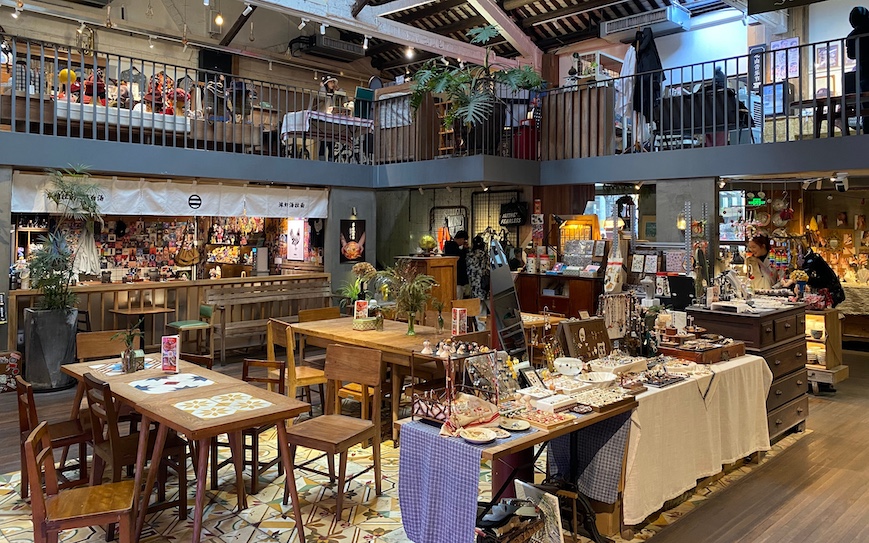
If you’re feeling peckish, there’s seating by the stage for coffee, steamed buns and egg waffles. Feeling hungry? There’s even a charming ramen joint in the building.
Do note that entry to the warehouse is free on weekdays but there is a 10 yuan entrance fee on weekends.
Where to eat
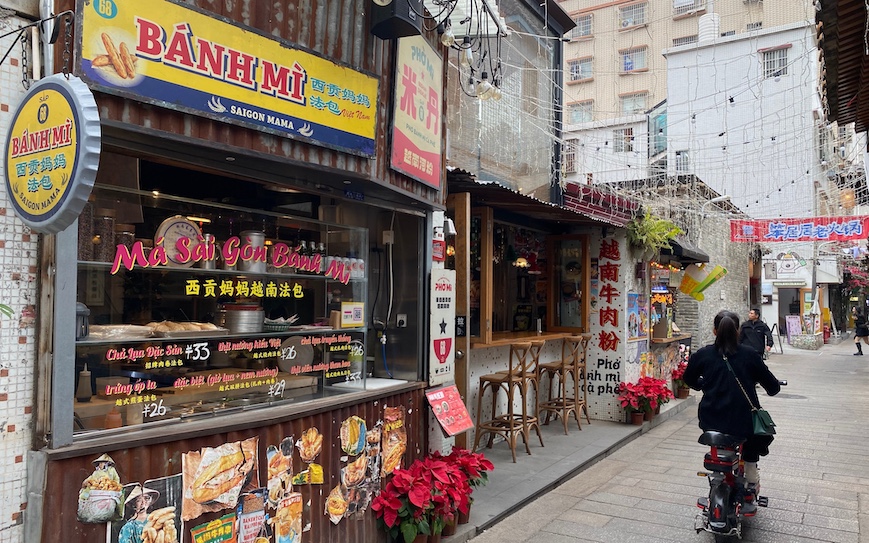
Southeast Asian and Chinese cuisine really shine in Beishan Village. Vietnamese joint Phomi serves up popular bowls of pho and banh mi, while Thai restaurant Mama is known for big pots of tom yum seafood noodles.
Meanwhile, hot pot lovers can check out Benjuju Hotpot (笨居居老火锅), which serves authentic Chongqing hot pot with a butter-rich spicy base (with a non-spicy bone broth available too), while those who like chicken hot pot can head to Ju Jen Mui’s Chicken Hot Pot (朱珍妹雞煲火鍋).
[See more: Dozens of Greater Bay Area restaurants honoured on 2026 Black Pearl Restaurant Guide]
All the restaurants are characterised by an al fresco and rustic vibe, embracing the long history of the village with retro yet unique decor.
Where to drink
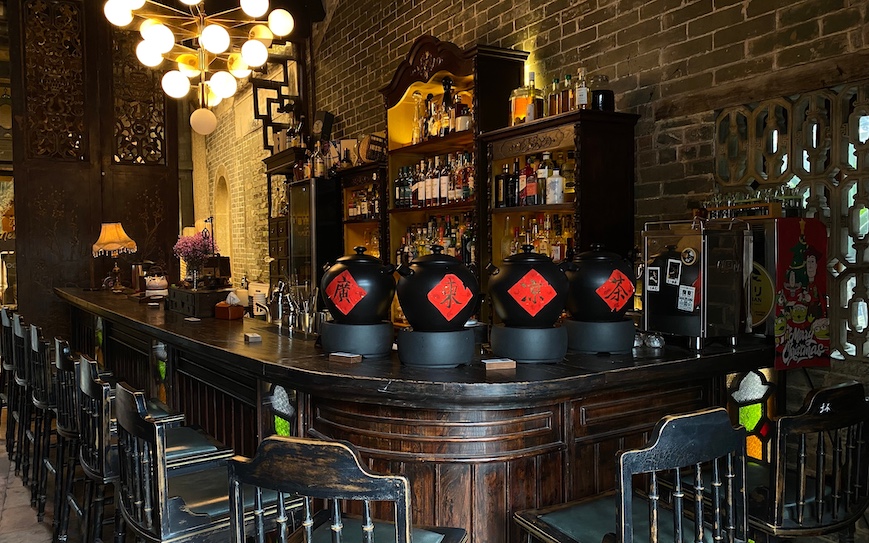
For drinks, you can check out the various tea places around the village, such as within Beishan Hall. Many of these teahouses and cafes are nestled inside former old residences and offer the option for you to sip a variety of tea or coffee in small, open courtyards.
For food, music and some alcoholic drinks, PaThai Bistro (八呆泰國) is the best place to go in the evenings. There’s a terrace overlooking the central square at the village, with live music by local singers kicking off at 6 pm daily, complementing great drinks deals and classic Thai fare.
[See more: An oasis of sound: How Shenzhen’s Oil Club is fuelling China’s underground club scene]
YDM Bar by Beishan Hall is a must-visit and a beautiful sight to behold. Preserving much of the temple’s original features, the bar serves herbal tea by day and offers an extensive cocktail menu from 7 pm. Commune and Qichi Beer (栖池) are also great for a decent selection of Chinese craft beer.