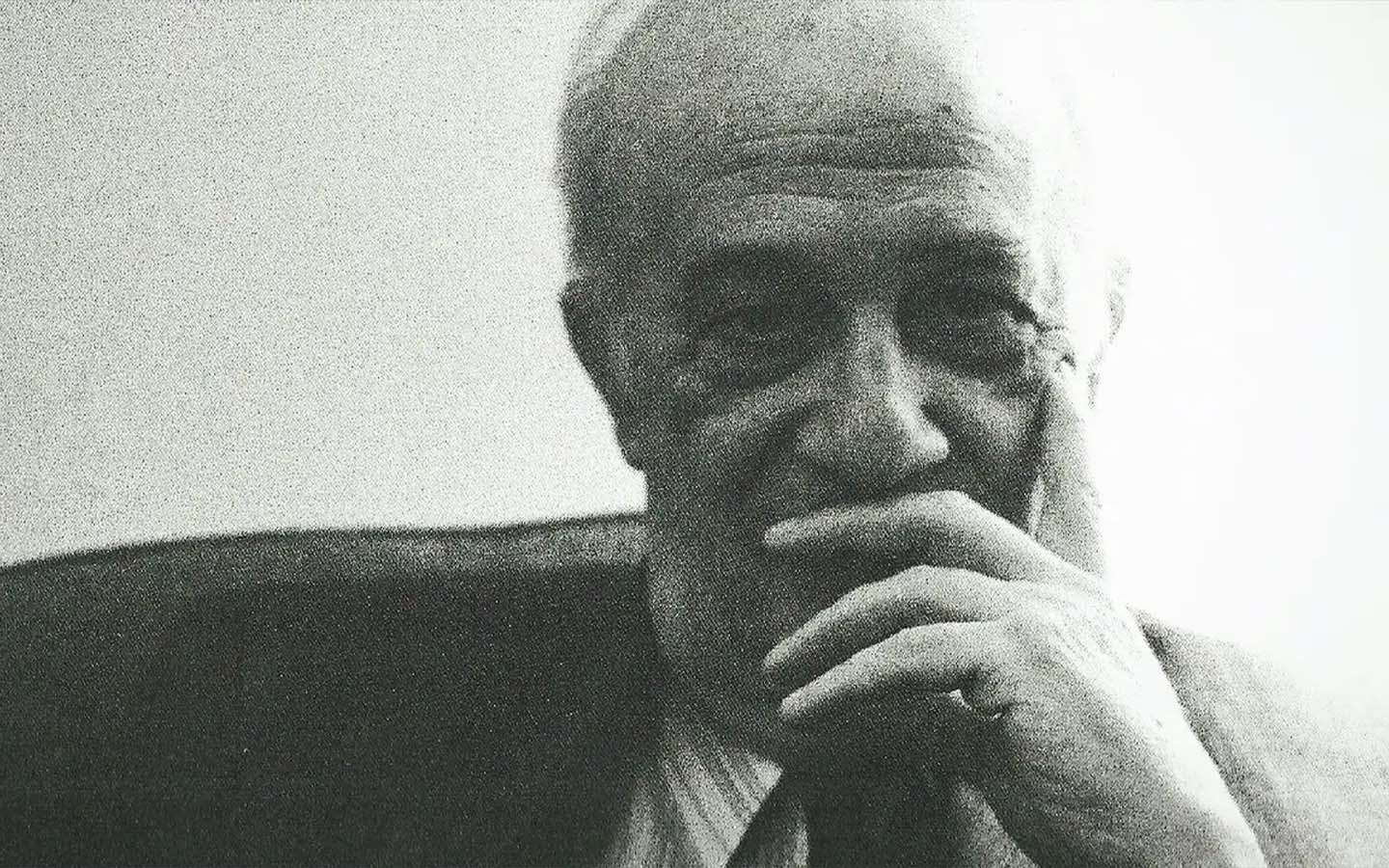
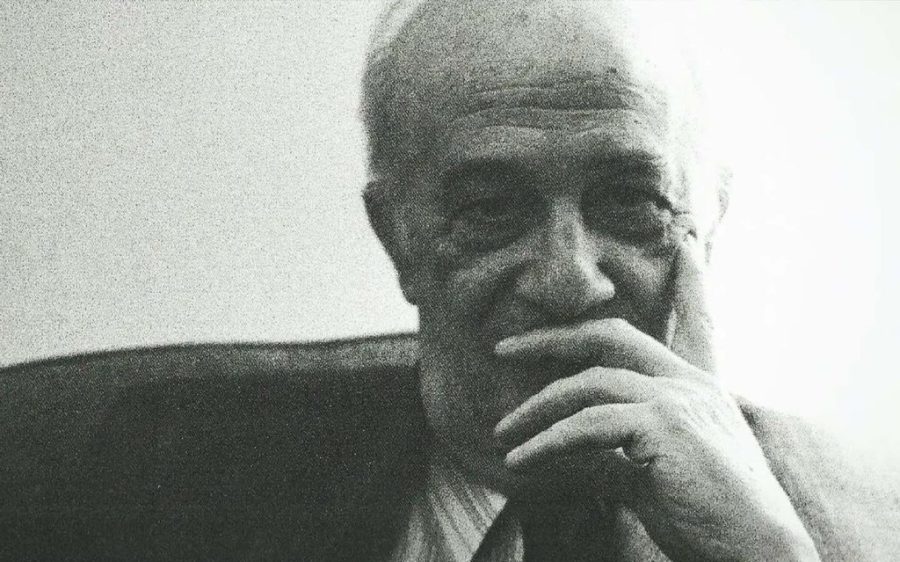
Rodrigo Leal de Carvalho, a key figure in Macao’s judicial and literary circles, has passed away at age 93, according to an announcement published by the Portuguese Supreme Court of Justice on Saturday.
In its statement, the court expressed “regret and dismay” over Carvalho’s death, sending its “heartfelt condolences” to his family.
Born in the Portuguese Azorean island of Terceira in 1932, Carvalho moved to Macao in 1959, after graduating with a law degree from the University of Lisbon in 1956. Carvalho spent much of his life in Macao, but also lived in Lisbon and the then-Portuguese colonies of Guinea, Angola and Mozambique.
In 1976, the judge settled in Macao again, becoming the then-Portuguese enclave’s public prosecutor and later the deputy attorney general.
In 1995, he was made the judge counselor of the Supreme Court before being named the president of the Macau Court of Auditors the next year. He would remain in that post right until Macao’s administration was transferred from Portugal back to mainland China in December 1999.
Carvalho also made his mark in the literary world, writing his first novel – Requiem by Irina Ostrakoff – in 1993. The following year, the book bagged an award from the Portuguese Institute of the East, with Carvalho following it up with a string of other novels that included: The Builders of the Empire (1994), The Fourth Crusade (1996), In Her Majesty’s Service (1996) and The Count and His Three Women (1999) and The Mother (2000).
[See more: 10 must-read books on Macao for World Book Day]
Some of his books were linked to Macao, including The Romance of Yolanda (2005) and The White Roses of Surrey (2007). The former centres around a Macanese woman who falls in love with a wealthy Filipino on the wrong side of the law. Meanwhile, The White Roses of Surrey would be his final novel, focusing on Macao during the turbulence of the Cultural Revolution in the 1960s.
The Portuguese Supreme Court of Justice noted that Carvalho “established himself as a writer of memories of Macao and the world of Portuguese civil servants in the overseas colonies of the 1950s and 1960s.”
On Carvalho’s literary achievements, Dora Gago, the former head of the University of Macau’s Portuguese Department, told TDM that he had the ability to create “very strong” characters who were “very human,” “cling[ing] to the reader,” “as if they were made of flesh and blood.”
Carvalho’s literary achievements were such that they were the subject of a retrospective session organised by the Rui Cunha Foundation in 2022.
News of Carvalho’s passing has been met with sadness among Macao’s Portuguese community, with local personalities such as Rita Santos and José Tavares expressing their condolences.