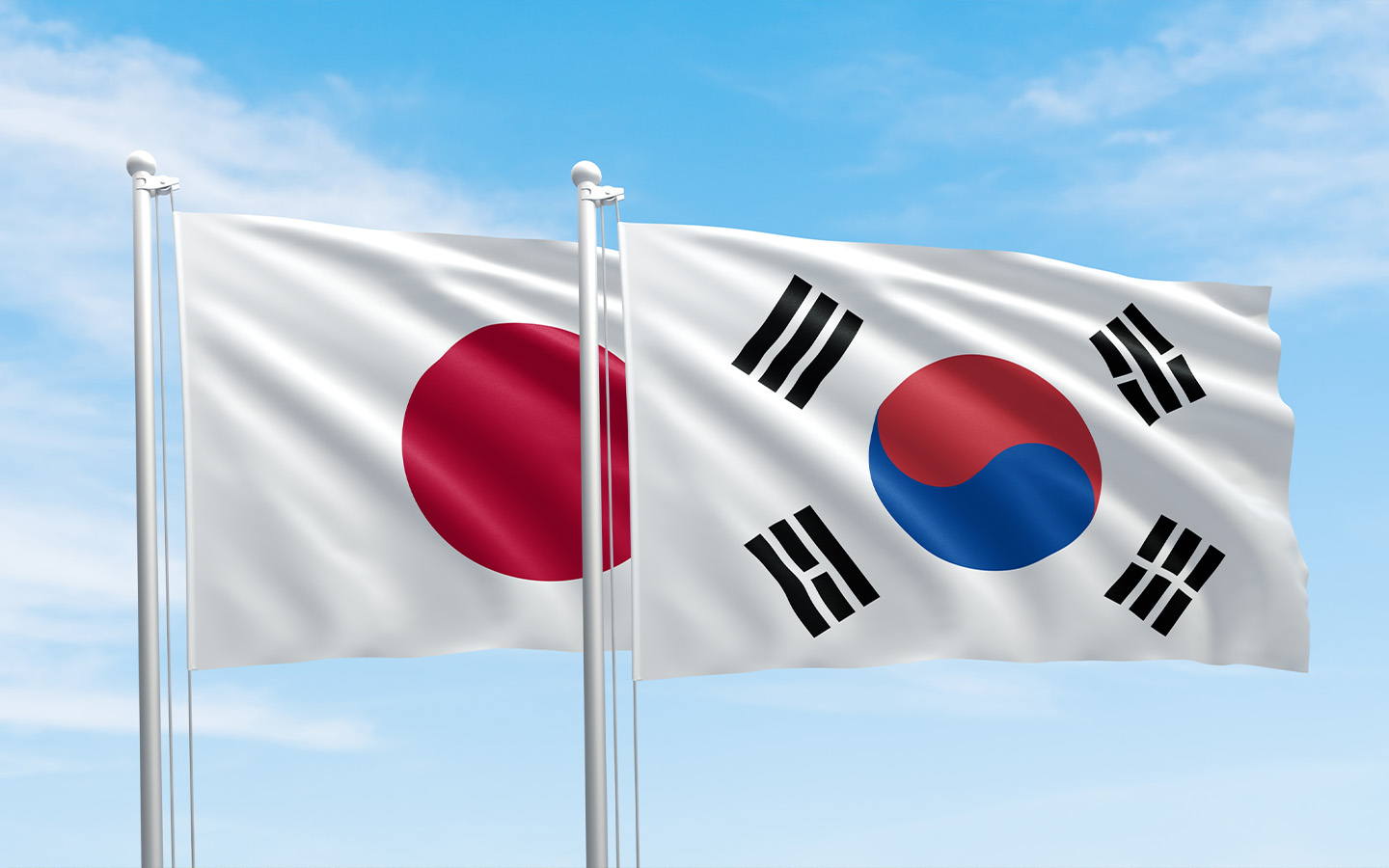
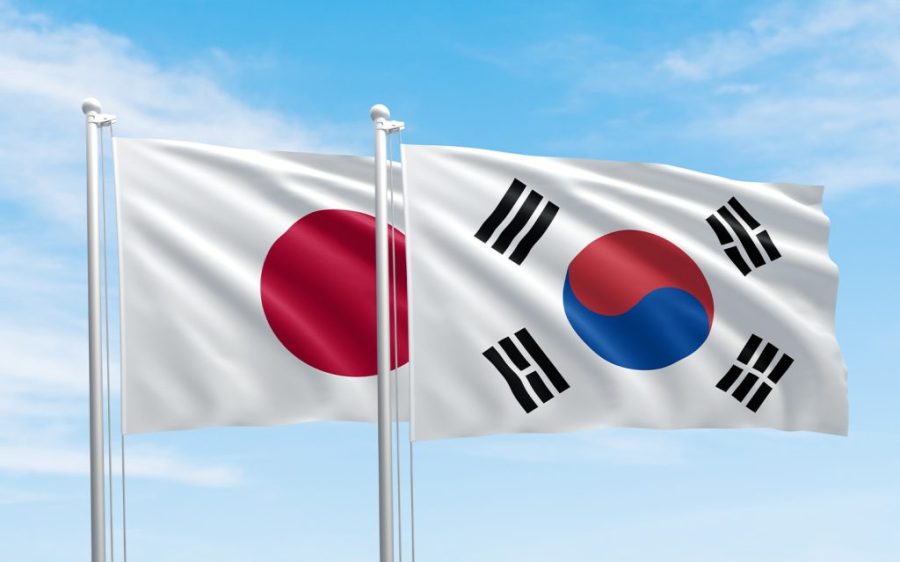
South Korean President Lee Jae Myung and Japanese Prime Minister Sanae Takaichi agreed on Tuesday to step up bilateral cooperation across security, economic and historical issues, signalling growing strategic alignment between the two US allies amid regional uncertainty, multiple media outlets report.
Meeting in Nara, Takaichi’s home constituency, the two leaders said cooperation between Seoul and Tokyo was critical to maintaining stability in East Asia. Both reaffirmed their commitment to the complete denuclearisation of the Korean Peninsula and closer coordination on North Korea policy.
The leaders said cooperation would expand into economic security, supply chains, AI, science and technology, and the joint shaping of international norms. They agreed to strengthen joint responses to transnational crime and deepen collaboration in areas such as intellectual property, demographic challenges and youth exchanges.
Tokyo also agreed to help Seoul conduct DNA testing to identify remains recovered from the Chosei coal mine in western Japan, where more than 180 workers – most of them Korean forced labourers – were killed in a 1942 undersea flooding accident. That agreement was described by Lee as “small but meaningful,” touching on one of the most sensitive issues in South Korea-Japan relations – the Japanese Empire’s brutal colonial rule of the Korean Peninsula between 1910 and 1945.
[See more: South Korean president’s China visit unfolds amid regional tensions]
Tuesday’s summit marked the third encounter between the two leaders since Takaichi took office last October. It came close on the heels of Lee’s visit to Beijing, where he asked President Xi Jinping to help mediate between the two Koreas.
Lee and Takaichi stressed that closer ties were increasingly important as geopolitical pressures mounted, particularly involving China and North Korea. While reaffirming the importance of US-Japan-South Korea cooperation, Lee also urged continued dialogue among South Korea, China and Japan to find common ground and tone down regional instability, which has been exacerbated by Takaichi’s recent remarks on Taiwan.
Takaichi suggested Japan could take military action if China were to use force to take control of the island – comments that enraged Beijing, which fervently upholds the One China policy.
Kim So-young, an assistant professor of international studies at Nagoya University of Commerce and Business in Japan, told the South China Morning Post that Japan was now worried Beijing was trying to “drive a wedge” between Seoul and Tokyo. She said that “leveraging a neutral stance between China and Japan is arguably Korea’s wisest strategic option,” and appeared to be Lee’s chosen course of action.