
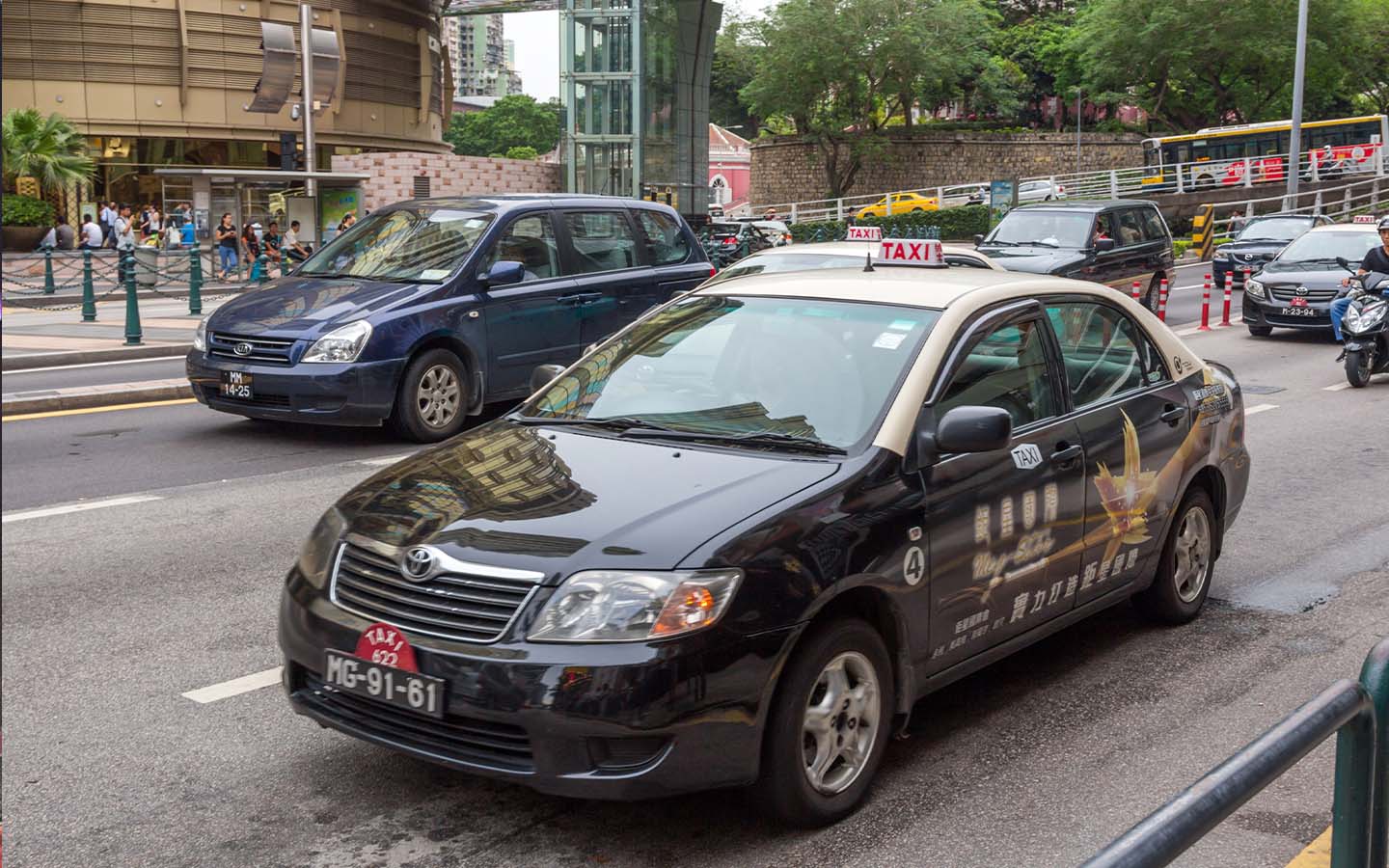
The Macao government’s plan to gradually add 800 more taxis to Macao’s road has worried some local cab drivers, who fear it may be detrimental to their livelihoods.
Announced last week by Raymond Tam, Macao’s top official for transport, the proposal is expected to boost the total number of local taxis to 2,000. A concrete rollout schedule has not yet been announced, although the authorities intend to initially introduce 100 new vehicles in the short term, followed by additional vehicles in the future.
While the measure is aimed at shoring up Macao’s limited taxi fleet, some cab industry members worry it may intensify competition.
During an episode of the Macao Forum radio programme on Monday, a driver identified by the surname Chan highlighted his current struggles by noting that he had waited one hour for a fare in a taxi stand in the city centre and had failed to receive any orders via the online Gaode booking platform.
“Can one driver really get that many fares during off-peak periods?” Chan questioned. “Is adding 800 vehicles really useful? Will making things easier for passengers end up affecting many drivers’ livelihoods?”
Meanwhile, Tam Kam Leong, the deputy head of the Macau Association of Taxi, called for the new taxis to be rolled out in phases to reduce the negative effect on drivers.
[See more: Macao government pledges more taxis and ride-hailing legislation]
“The market is only this big and suddenly expanding it so much means the impact on human resources and drivers’ income would be too sharp,” Tam told TDM on Monday. “At the very least, it should be spread over two years.”
The broadcaster also spoke to the president of the Commercial Vehicles Owners Association of Macau, Ben Leng, who stressed the need for the government to scientifically analyse taxi metre data such as routes, timing and fares before determining the number of new taxis and the timing of their rollout.
Leng also praised the government’s plan to introduce legislation for ride hailing service, noting that the new app-based measure would “help taxi drivers secure more business and make it easier for tourists to find a cab.”
The industry representative, however, stressed the need for ride hailing services to be limited to taxis and for passengers to bear any service fees.
Taxi ride hailing services currently exist in the form of the radio taxis and China’s Gaode map (AMap Taxi) app, although they are far from perfect due to their poor response rate or lack of English language option.
Despite welcoming tens of millions of tourists each year, Macao’s regular black taxis fleet only totaled 1,273 vehicles as of the end of September. As a result, visitors and residents alike often struggle to hail a cab, with long queues often appearing at taxis stands during peak periods.