
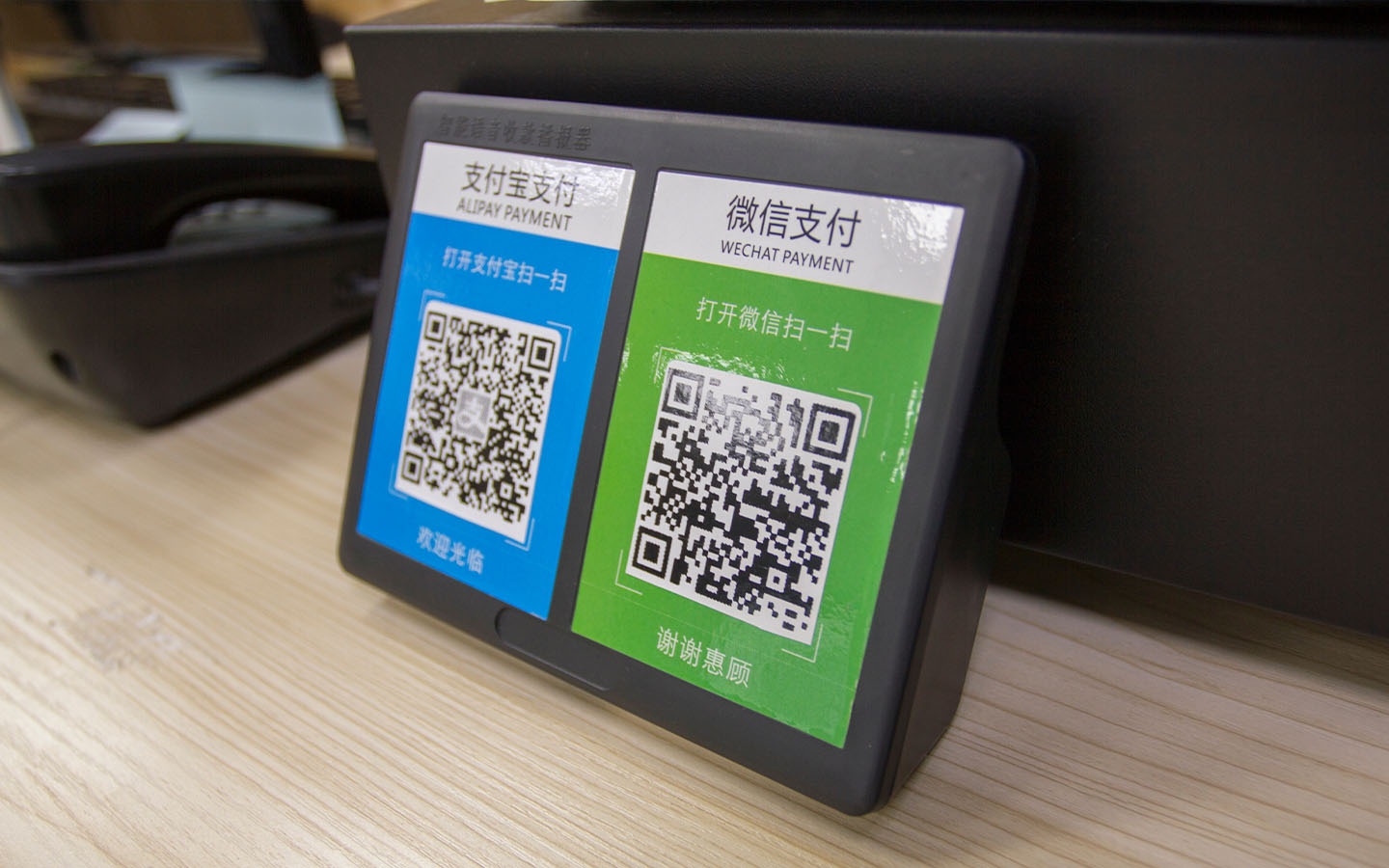
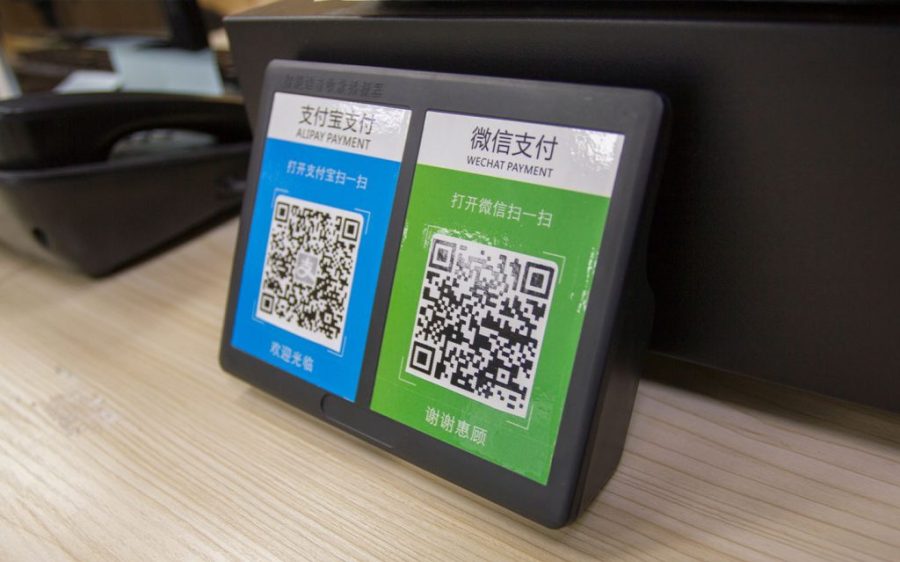
More foreign visitors to mainland China now have access to the country’s dominant QR payment ecosystem, as UnionPay and WeChat Pay (Weixin Pay) expand cross-border wallet interoperability.
According to media reports, UnionPay International now enables 29 overseas mobile wallets from 12 countries and regions to pay via WeChat Pay at everyday locations across the mainland – up from 25 a month ago. First launched last December, the roll-out is part of a programme connecting more than 200 e-wallets across 37 markets outside mainland China to UnionPay infrastructure.
Under the system, users activate digital UnionPay cards within their domestic wallets and pay by scanning WeChat Pay or UnionPay QR codes. Transactions are settled in yuan with automatic currency conversion, removing the need for a Chinese bank account or separate payment app.
[See more: First-time visitor to the Greater Bay Area? Here are 8 travel tips]
The expansion comes amid growing demand from overseas travellers. UnionPay said that in 2025, QR transactions in mainland China made through overseas UnionPay-partnered wallets rose 100 percent year-on-year, while transaction value increased 75 percent.
For visitors whose wallets are not yet supported by the new system, WeChat Pay continues to allow international Visa and Mastercard credit cards – and some debit cards – to be linked directly to the app, a feature introduced in mid-2023 that remains a common workaround for tourists.
The payment push is part of a broader effort by Chinese authorities and financial institutions to reduce friction for inbound travellers in a near-cashless retail environment dominated by QR payments. UnionPay has also rolled out products such as the SplendorPlus Card, aimed specifically at short-term visitors, while pilot programmes are testing limited use of the digital yuan by foreign travellers.
Major cities including Beijing, Shanghai and Shenzhen are also streamlining instant tax refund processes using QR-based mobile tools, allowing eligible shoppers to receive refunds directly into their digital wallets.