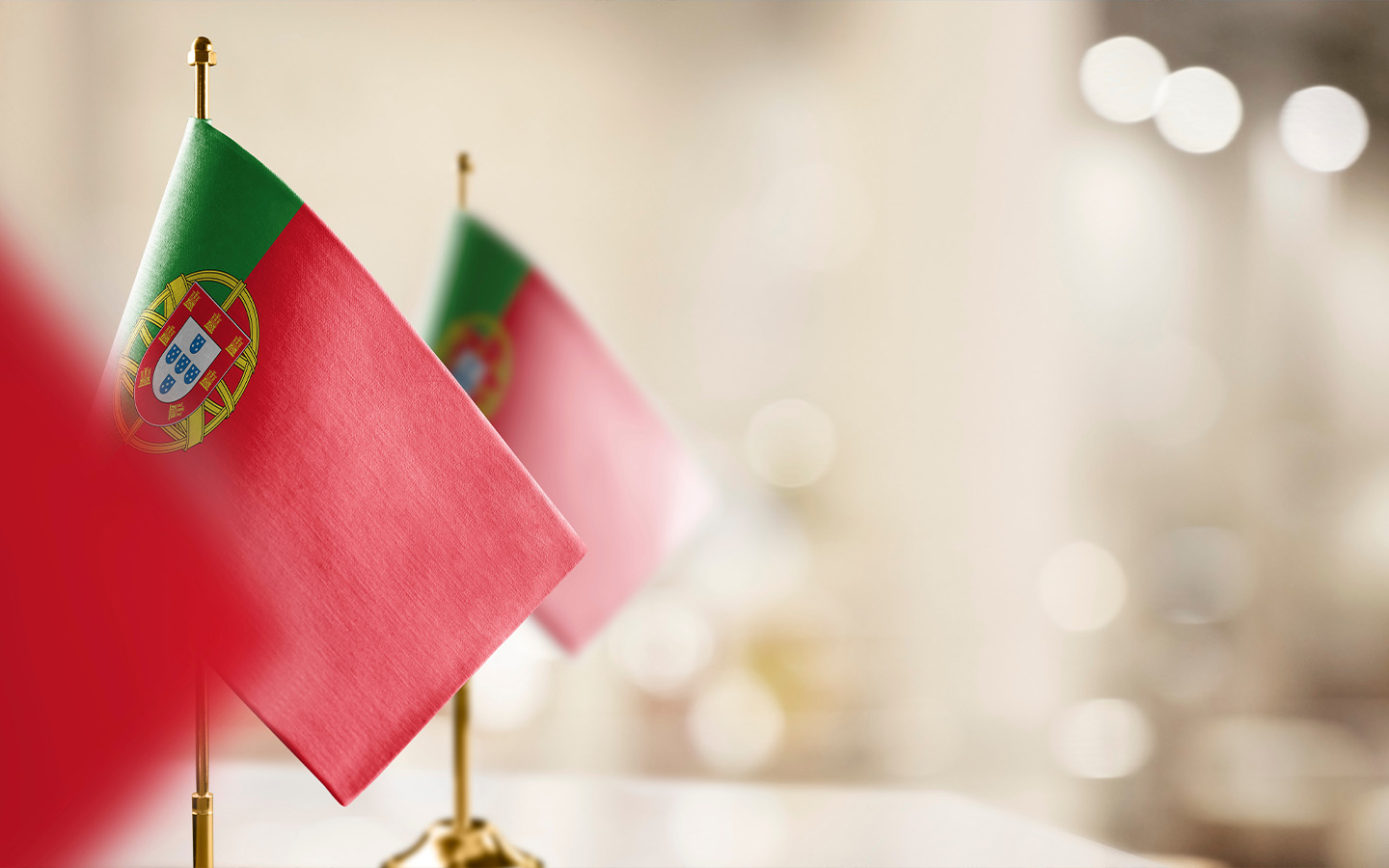
António José Seguro, a former head of Portugal’s centre-left Socialist Party, has won a surprise victory in the first round of the country’s presidential election, according to multiple media reports.
With just over 31 per cent of the votes cast, Seguro’s triumph was an unforeseen upset over André Ventura, the leader of the far-right Chega party. Pre-election surveys had consistently shown Ventura enjoying the strongest support among eligible voters.
As none of the 11 candidates secured an absolute majority, Seguro and Ventura will face each other in a run-off election scheduled for 8 February. Ventura’s ability to secure almost a quarter of the ballots on Sunday emphasises the remarkable growth of his party in Portugal.
In only six years, the ultranationalist grouping has expanded from holding a single seat in parliament to becoming the country’s leading opposition party, now controlling more than a quarter of the seats in the legislature.
[See more: Macao strengthens ties with Portugal during prime minister’s visit]
The run-off will be the first time a candidate from the far-right has reached a presidential run-off in Portugal, potentially securing another win for Europe’s ultra-nationalist movements. However, political commentators expect the public to mobilise to prevent Ventura from capturing the presidential palace and to rally around Seguro.
Ventura himself has suggested he has no real interest in being “the president of all Portuguese people” and may have only been running to gauge support for an eventual candidacy for prime minister.
Luis Marques Mendes, the candidate representing the governing centre-right Social Democratic Party, came in fifth place and will miss out on the run-off. This defeat was seen as underscoring public discontent with Prime Minister Luís Montenegro’s government.
Portugal is a semi-presidential republic where the president serves as the head of state. The president wields significant power, including the right to appoint the prime minister, dissolve parliament, veto laws, and act as supreme commander of the country’s armed forces. Law professor Marcelo Rebelo de Sousa has dominated the presidency for the past decade.