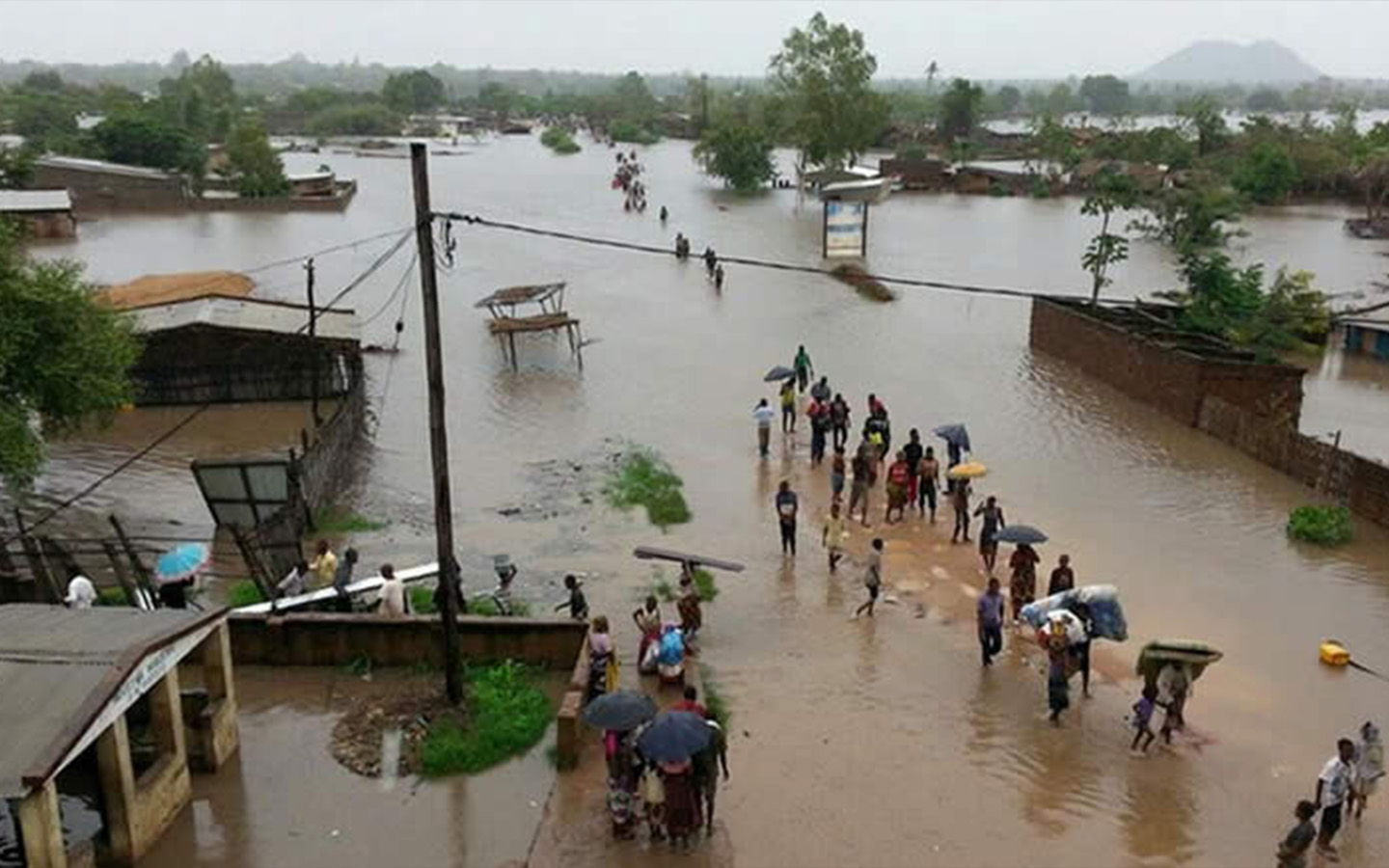
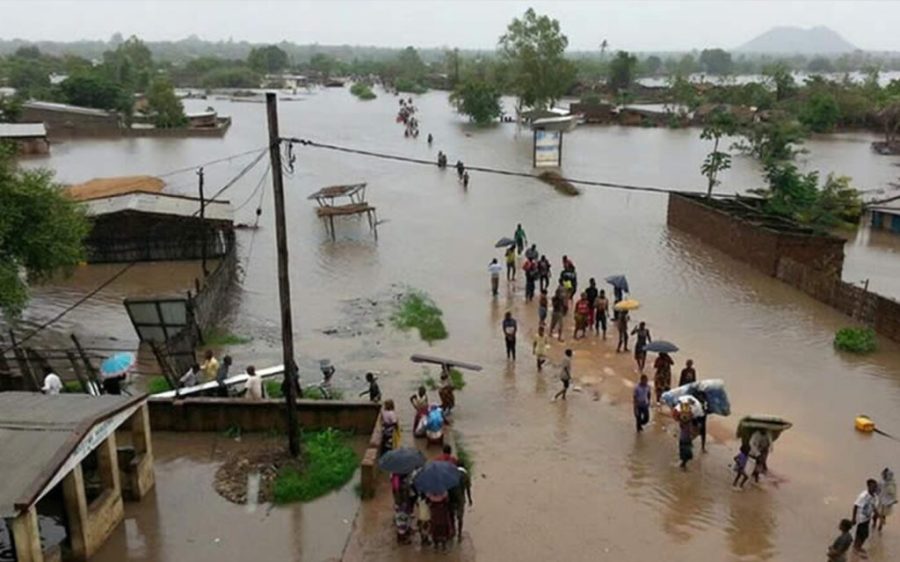
Mozambique has recorded more than 90 deaths since October associated with the ongoing rainy season, reports the official AIM news agency.
The country has recorded 92 deaths and 86 injuries resulting from heavy rains, strong winds, cholera outbreaks and lightning strikes since the season started, with more than 121,000 people affected. Director of the National Emergency Operations Center (CENOE) Ana Cristina presented the grim statistics at a recent assessment of the rain’s impact in central and northern Mozambique.
Lightning continues to be the leading cause of death, she noted, the 49 people killed in strikes accounting for more than half (53.3%) of total deaths, followed by cholera (28.3%) and other causes (18.4%), like infrastructure collapses, electrocution and falls in waterways.
The provinces of Nampula, Sofala, Manica and Tete have been the hardest hit by extreme weather events this season, recording deaths as well as significant losses to infrastructure and farmland.
[See more: Sri Lanka braced for more rain as death toll in recent Asian floods exceeds 1,200]
According to the CENOE dashboard, more than 8,000 homes have been partially destroyed and a further 4,108 completely destroyed, with over 10,000 flooded since 1 October. At least 13 health units and 40 houses of worship have been damaged, as well as 126 schools, directly impacting nearly 46,000 students and 746 teachers.
Figures given earlier by Cristina put the toll even higher in terms of home and school impacts, although lower for health units and houses of worship.
The flooding coincided with the main planting season, the agricultural ministry stating at least 92,000 hectares impacted across eight provinces. Sofala took the hardest hit, with 54,000 of the 211,000 hectares sown affected, followed by Zambezia and Inhambane. Rice, maize, beans, cassava and sweet potatoes were the main crops impacted. Fish farmers lost more than 116,000 fingerlings in Sofala, and CENOE reported more than 800 livestock deaths.
Reported impacts on roads vary wildly, from 8,000 kilometres damaged to just 730, the latter assessment citing over 42,000 kilometres affected by flooding.