Timor-Leste’s application to join the Association of Southeast Asian Nations (ASEAN) took fourteen years to achieve. For ASEAN’s 700 million inhabitants and its $4.3 trillion economy – roughly the size of India’s GDP – Timor-Leste’s 1.4 million population and $2.1 billion economy adds relatively little to the bloc’s overall profile. Instead, its inclusion speaks volumes for Asia’s youngest country, underscoring its future ambitions and the role it envisions within the region.
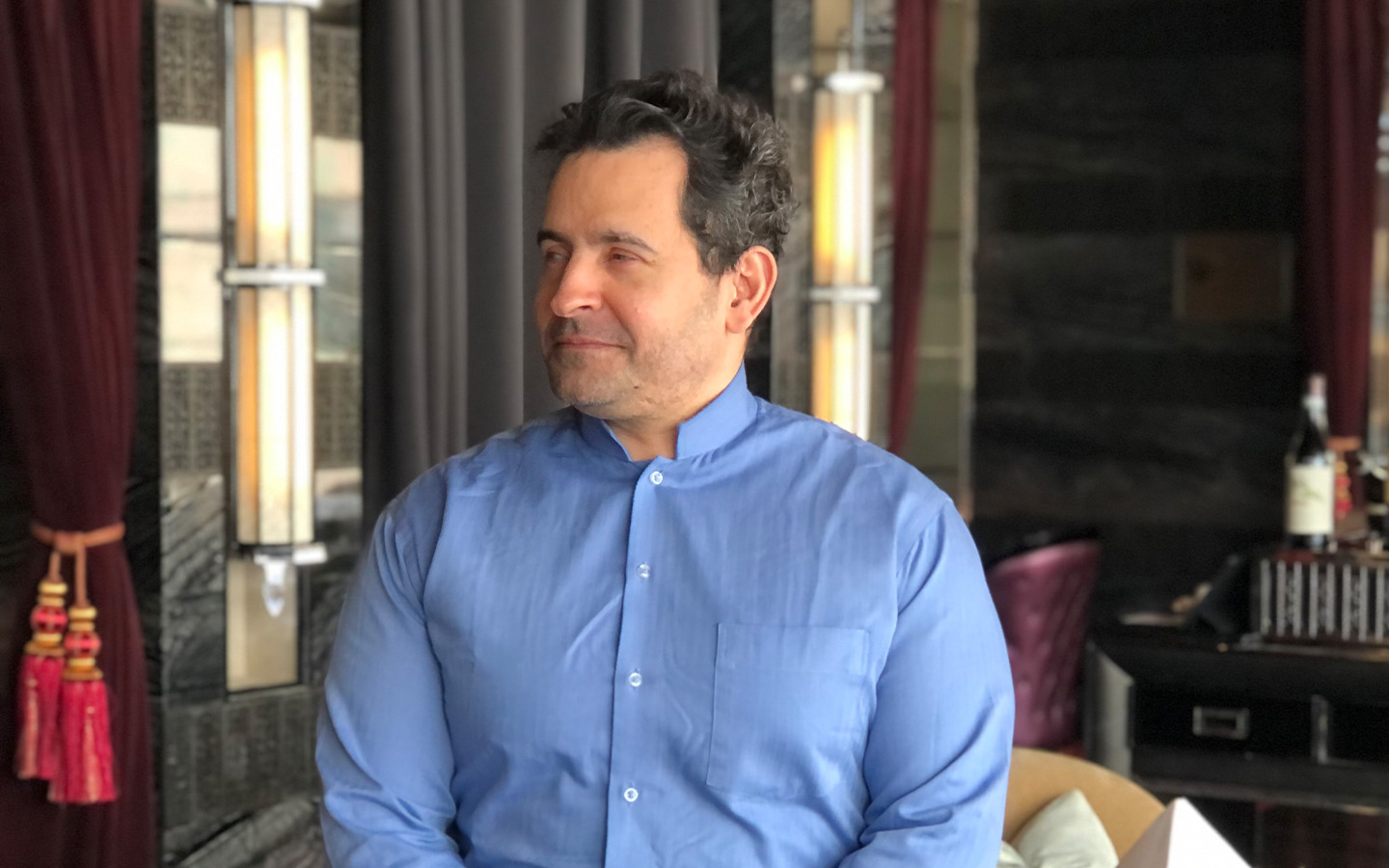
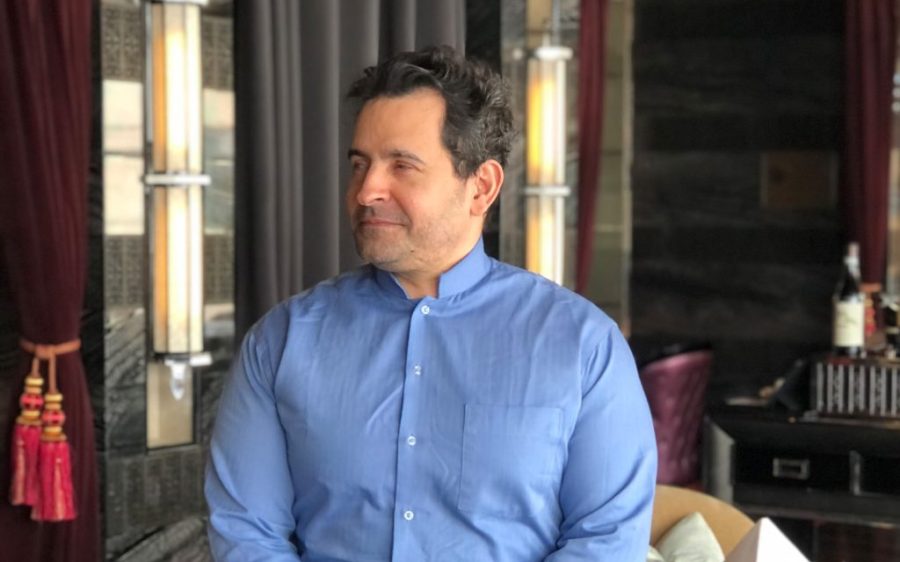
“Our cultural, political, and economic links with the ASEAN bloc long existed before our membership,” the nation’s ambassador to China, Loro Horta, told The Bay. “Given these ties and based on our geographic location, it would have been weird not to join the organisation.”
Despite being the newest member, Timor-Leste has always been historically connected to ASEAN. The nation shares an island with founding member Indonesia, which supplies about a third of the country’s imported goods. Taken together with Singapore, Malaysia, and Vietnam, the aggregated value of ASEAN goods entering Timor-Leste accounts for more than half of total imports.
[See more: Timor-Leste becomes the 11th member of ASEAN]
“Though we do not foresee any immediate economic benefits, the ASEAN partnership is an important moment for Timor-Leste,” Horta says, noting that while the now eleven-nation coalition embraces a complementary vision to strengthen regional collaborations, they are also mired in regional competition.
Beyond oil and gas, Dili relies on agricultural exports, such as coffee, to drive economic growth and create jobs. But while Timor-Leste shipped about 10,000 metric tons of coffee last year, this pales in comparison to the 1.1 million metric tons exported from Vietnam.
Underinvestment in rural infrastructure has widened that production gap and lowered crop yields, with prized coffee production falling by about half. “We don’t need ASEAN to remind us of our uncompetitiveness, we are doing it ourselves,” Horta laments.
‘We need everything’
For now, oil and gas define Timor-Leste’s economy. Its Norwegian‑style Petroleum Fund, valued at around $18 billion, provides a fiscal cushion that sustains government spending for roughly a decade. Yet the growth of the oil fund has come at the expense of other critical investments.
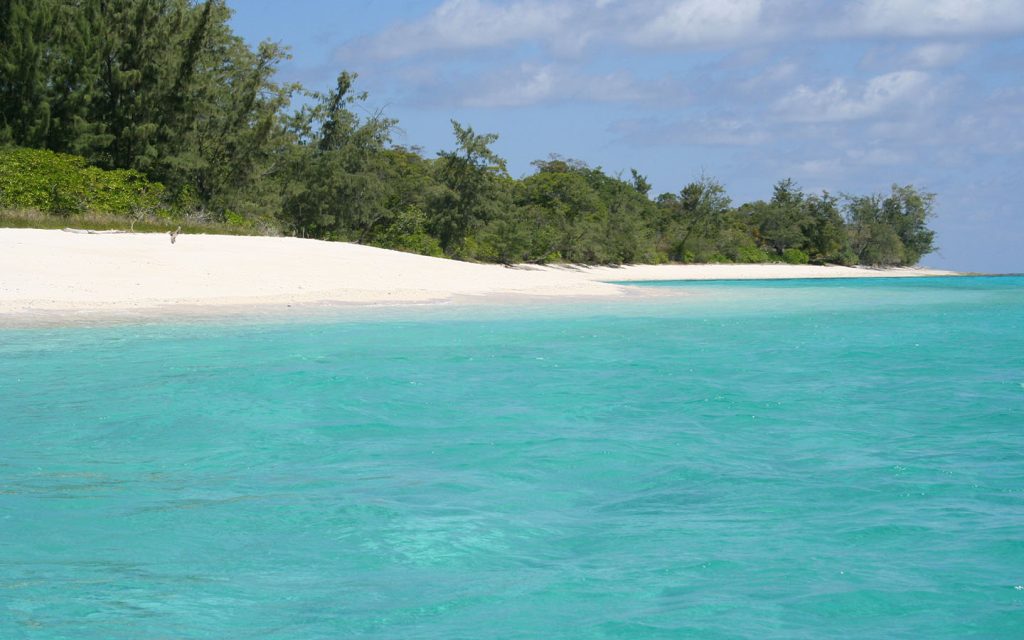
“To build out our oil and gas industries, we neglected our farming capabilities, which is directly tied to our food security. Our tourism and biodiversity offering is also underutilised, which is quite a shame, because Timor-Leste’s beaches are more pristine than those found in Indonesia’s Bali” the ambassador says.
Bipartisanship has helped elevate attention to the urgency. The capital’s main airport was recently expanded to accommodate larger aircraft. With an annual intake of 80,000 international arrivals, these figures are overshadowed by the near 17 million arrivals that land in Bali, whose airport serves as a major connecting hub for those heading to Dili.
[See more: Timor-Leste nets US$78 million for improving roads and disaster resilience]
“I applaud the prime minister’s resolve to compensate and relocate families that were living near the airport so that the aviation facilities could be modernised,” Horta says, describing it as an unenviable and politically unpopular task. “But even after the runway was extended, aeroplanes still can’t land at night,” a testament to the amount of work ahead.
Time is not on the country’s side, and the clock is ticking. Dili’s commitment to host its first ASEAN Summit by 2029 serves a major litmus test, not just in its ability to accommodate heads of state from Southeast Asia, but representatives from Asia’s largest economies and those from the G7. From roads, infrastructure and staffing, the ambassador summarises it bluntly: “We need everything.”
Job creation in Timor-Leste
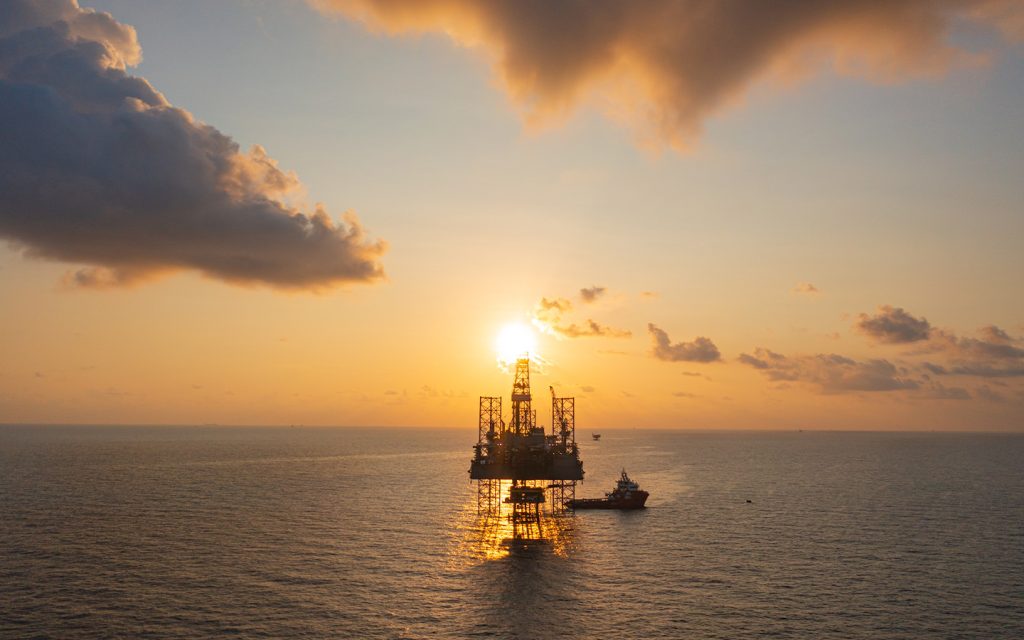
On the policy front, a positive trajectory is unfolding. In an official visit to Dili last week, Anthony Albanese, the Australian prime minister, reaffirmed the shared ambition to develop the Greater Sunrise gas fields, located approximately 450 kilometres north-west of Darwin.
The project is reported to allocate 10 percent of its revenues into an infrastructure fund for Dili, augmenting the government coffers. And in addition to royalty payments, the Greater Sunrise project houses about 30 years of gas reserves and opens employment opportunities for Timor-Leste workers. “But that lifeline does not replace the urgency to diversify the economy,” Horta comments.
“This all assumes that oil and gas are still valuable in the future.”
Attracting foreign investments that generate meaningful jobs domestically remains the priority, as few opportunities at home are visible in the number of Timor-Leste citizens working abroad. Total remittances exceeded $240 million in 2024, representing about 12 percent of the economy.
[See more: Australia and Timor-Leste announce progress on gas fields]
“As more young people are educated overseas, we hope that they return, but if the economy does not produce worthwhile occupations outside the public sector, many will find employment elsewhere, such as the United Kingdom, Australia, or South Korea,” the ambassador shares with a tone of regret.
While Timor-Leste’s literacy rate stands above 70 percent but below the ASEAN bloc’s range of 85 to 98 percent, Horta applauds the growing use and familiarity of English, notably among the country’s younger population, which makes them more competitive when finding employment opportunities overseas.
About 70 percent of Timor-Leste’s workforce is under the age of 35. But without any substantial career prospects, their energy goes to waste, or worse, is at risk of being channelled into harmful activities. “Thankfully, there is relatively little social unrest, reflecting the patience of the people, [however] we can’t rely on this generosity forever,” the ambassador emphasised.
The Macao connection
Improving bilateral ties with China has helped draw in much needed capital and expertise into Timor-Leste. After relations with Beijing were upgraded to Comprehensive Strategic Partnership in 2023, more than 30 state-owned enterprises are now operating in the country, with at least half of them running local offices.
Horta expects a deepening commitment to benefit both Timor-Leste and China, given their shared interest in upholding the blue economy, a reference to the sustainable use of ocean resources, along with China’s leading innovation in clean energy technology. The ambassador hopes TImor-Leste will utilise Macao as a hub for culture and knowledge exchanges, particularly as links between China and Portuguese-speaking countries further develop.
[See more: Student-led demonstrations win concessions in Timor-Leste]
But while there are aspirations that the shared Lusophone heritage between Macao and Timor-Leste would translate into strategic advantages, local coffee purchases reflect the uncomfortable reality. Macao imports about a mere $150,000 worth of Timor-Leste coffee annually, a fraction compared to more than $583,000 worth from Vietnam.
“Much more needs to be done because we can’t afford to do any less. Timor-Leste’s future depends on what we do today,” Horta says.