
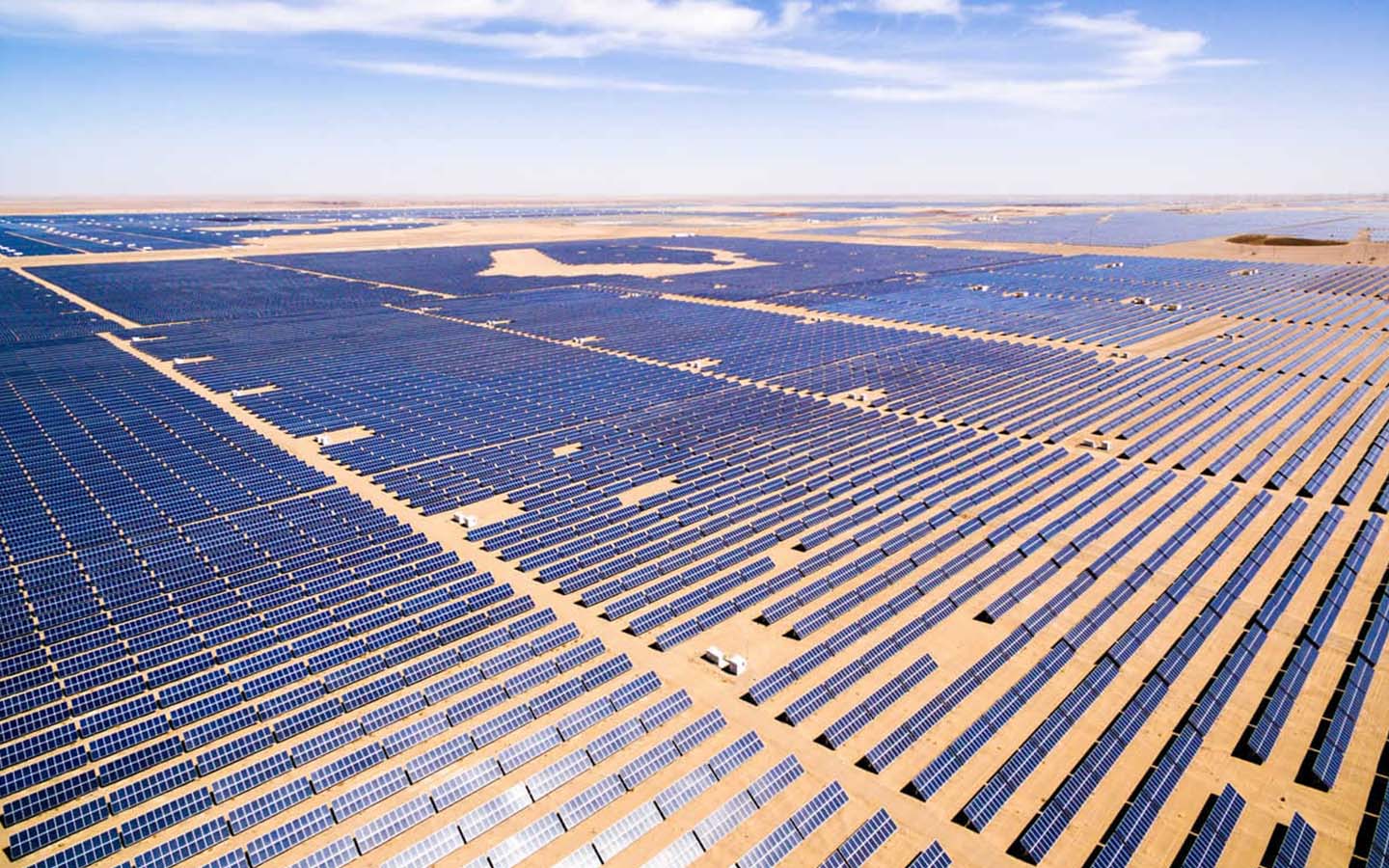
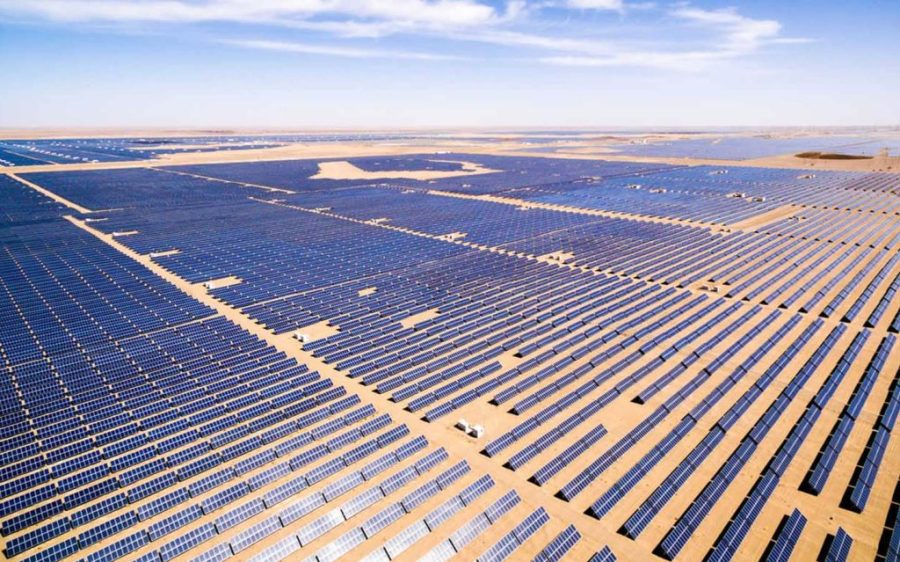
Angola is cementing solar power as a crucial element of its national energy strategy. This move is aimed at enhancing the complementarity between solar and hydropower, with the latter remaining the backbone of the national electricity system, the Angolan weekly newspaper Expansão reports.
The country currently has approximately 400 MW of solar capacity operational and aims to increase this to 650 MW in the coming years. Significant capital outlay has been directed towards large-scale projects, with the Biópio (189 MW) and Baía Farta (96 MW) solar parks alone representing a combined investment exceeding USD 570 million.
The full seven-park programme, which includes new developments in the provinces of Huambo, Bié, Lunda Norte, Lunda Sul, and Moxico, is expected to drive total investment well beyond US$700 million.
[See more: Pope’s visit set to boost religious tourism in Angola]
The government is simultaneously advancing decentralised solutions, such as mini-grids and hybrid solar systems equipped with battery storage, which are estimated to provide an aggregate capacity of around 220 MW. A key milestone was the 2025 inauguration of the largest off-grid solar park in Sub-Saharan Africa, situated in eastern Angola, which was designed to guarantee continuous power to more than 130,000 people in remote areas, Expansão says.
The adopted development model relies on partnerships between the state, international companies, and multilateral financial institutions. Public enterprises like PRODEL (generation) and RNT (transmission) are responsible for the operation and integration of the energy into the national grid. However, new private entities, including Total Eren, Sonangol, and Greentech, are entering the sector, specifically through the Quilemba project.
This hybrid framework – where the public sector controls the direction but the private sector handles execution and financing – represents a future for Angola’s power sector featuring a greater openness to foreign capital and shared risk mechanisms.