The transitional government in Bissau has confirmed that Guinea-Bissau will proceed with its fourth General Population and Housing Census, which is scheduled to run for 21 days from 1 June to 21 June. The official start date was verified by Minister of Social Communication Abduramane Turé, according to a local media report.
The national count had initially been planned for 2025 but was deferred because of the late release of international funding. National Institute of Statistics president Roberto Vieira disclosed in March that Guinea-Bissau had successfully secured over US$19 million to finance the operation. Major financial support for the census is coming from the World Bank and the United Nations Population Fund.
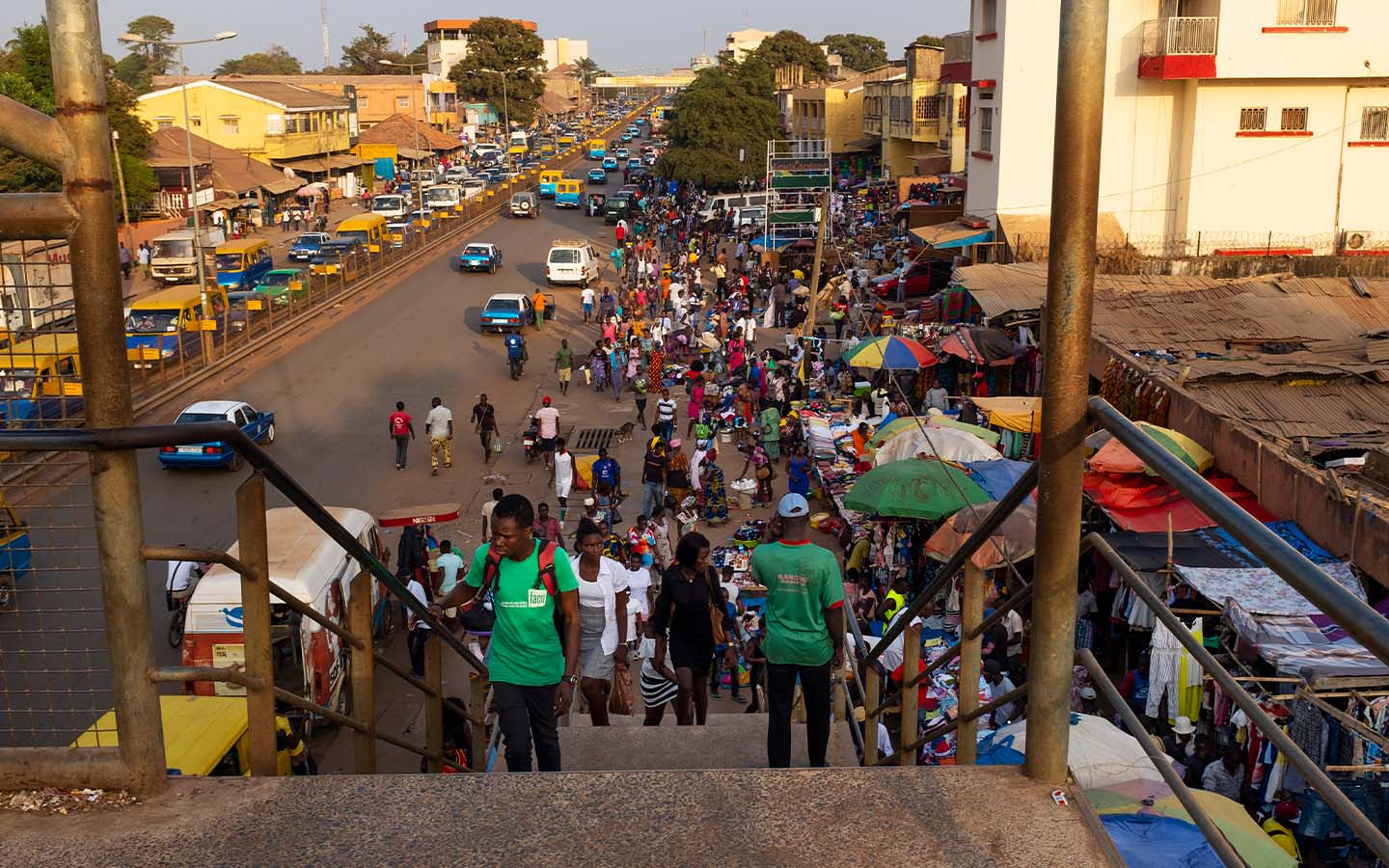
The three-week programme is designed to accurately ascertain the exact size of the population, alongside details of where and how its citizens reside. World Bank estimates from 2024 put Guinea-Bissau’s population at around 2.2 million, with an annual growth rate of 2.2 percent.
[See more: Guinea-Bissau eagerly awaits World Heritage recognition for the Bijagós Islands]
This census is overdue, as the last one was carried out in 2009. Although international standards recommend a census every ten years, authorities have attributed the lack of compliance to technical and financial constraints.
Guinea-Bissau, a West African nation spanning 36,125 square kilometres, borders Senegal to the north and Guinea to the south. It is presently governed by a transitional military administration.
The regime was installed following the coup of 26 November 2025, an event that saw the overthrow of President Umaro Sissoco Embaló and established a transition period set to last one year. Subsequently, the transitional authorities issued a decree scheduling presidential and legislative elections for 6 December 2026, restarting the electoral process interrupted by the 2025 coup.