
A newly signed agreement promises to bring a US$750 million agro-industrial project to Angola, expected to create hundreds of jobs while enhancing forest resources, reports Forbes Africa Lusófona.
The Angolan Agency for Private Investment and Export Protection (AIPEX) signed the letter of intent for investment with Everwood Investimentos e Comércio in late December. With an expected total investment of around US$750 million, the project involves the installation and operation of an integrated industrial pulp production unit in the provinces of Benguela and Huambo, developed as a complete value chain.
It includes the establishment of eucalyptus plantations, managed according to sustainable forest management practices, and the construction of a pulp production plant, implemented in a phased and modular manner.
This approach serves to reduce risks, guarantee a continuous supply of raw materials and maximise the economic impact of Everwood’s investment, largely financed by the United Arab Emirates.
[See more: Angola lands major agricultural investment from China’s CITIC]
The project begins with its main long-term asset: the planted forestry system. Developed in accordance with the national forestry development plan, it will provide the steady supply of raw materials fuelling latter stages. It includes the construction of standardised nurseries, the use of imported eucalyptus species adapted to local conditions, and the implementation of forest monitoring and planning systems focused on sustainable productivity.
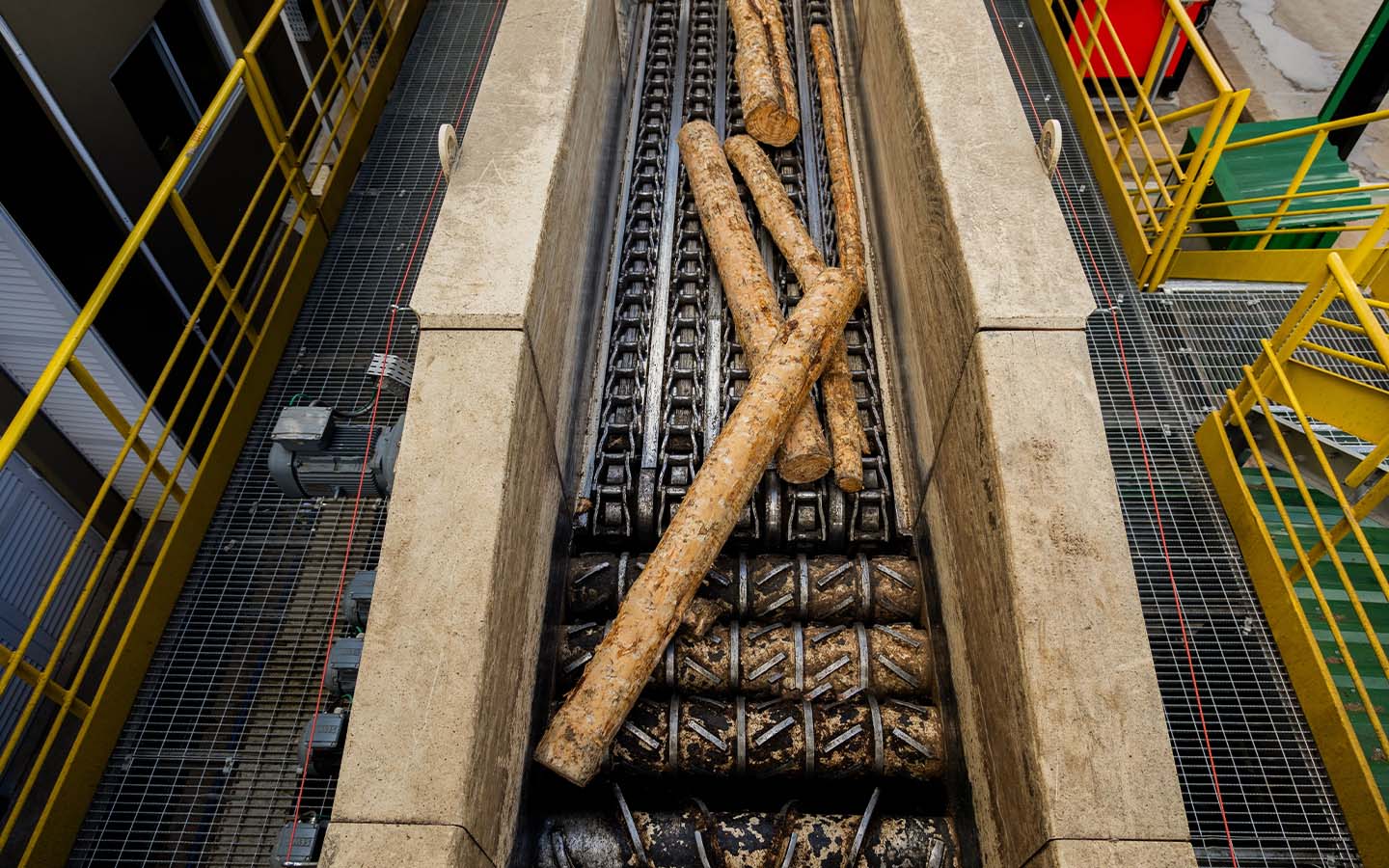
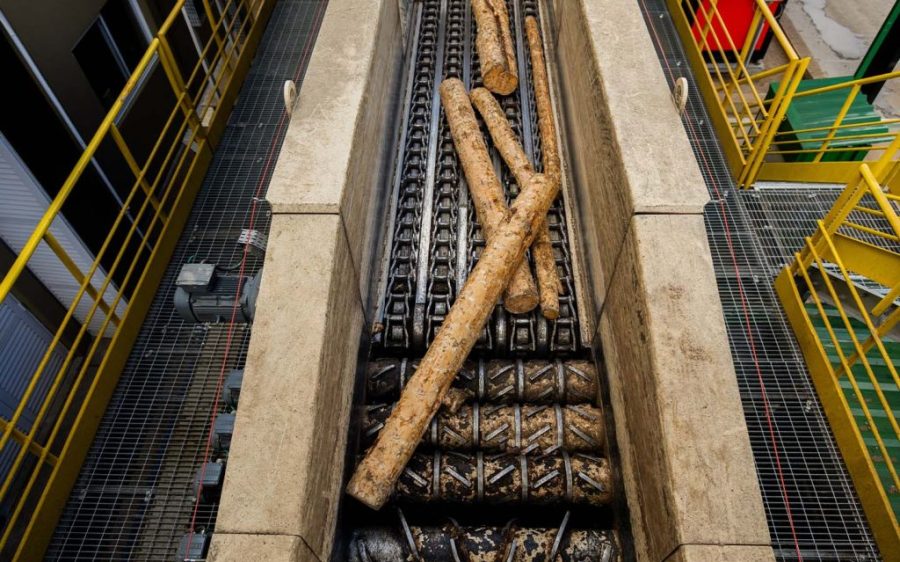
As the forest nears its first harvesting phase, wood chip processing units will be installed, an intermediate step designed to ensure uniformity of specifications, reduce logistical losses, and stabilise in the supply of raw materials.
Once the forest base is consolidated, construction of the pulp production units will begin. The facility will focus on supplying materials for packaging paper, cultural paper, and other by-products. It will incorporate international technologies with an eye toward energy efficiency, rational water management, effluent treatment, by-product recovery and strict emissions controls.
The project is expected to create an estimated 1,014 direct jobs, most reserved for Angolan nationals, and significantly impact the economy by increasing industrialisation, diversification, stimulating complementary industries, and strengthening national strategies for sustainable development and green industry.