The World Bank has upgraded its outlook for China’s economy, forecasting growth of 4.9 percent in 2025 and 4.4 percent in 2026. The revisions mark respective increases of 0.1 and 0.2 percentage points over October’s projections.
According to the latest China Economic Update, recent fiscal measures and stabilising global trade conditions were behind the improved outlook.
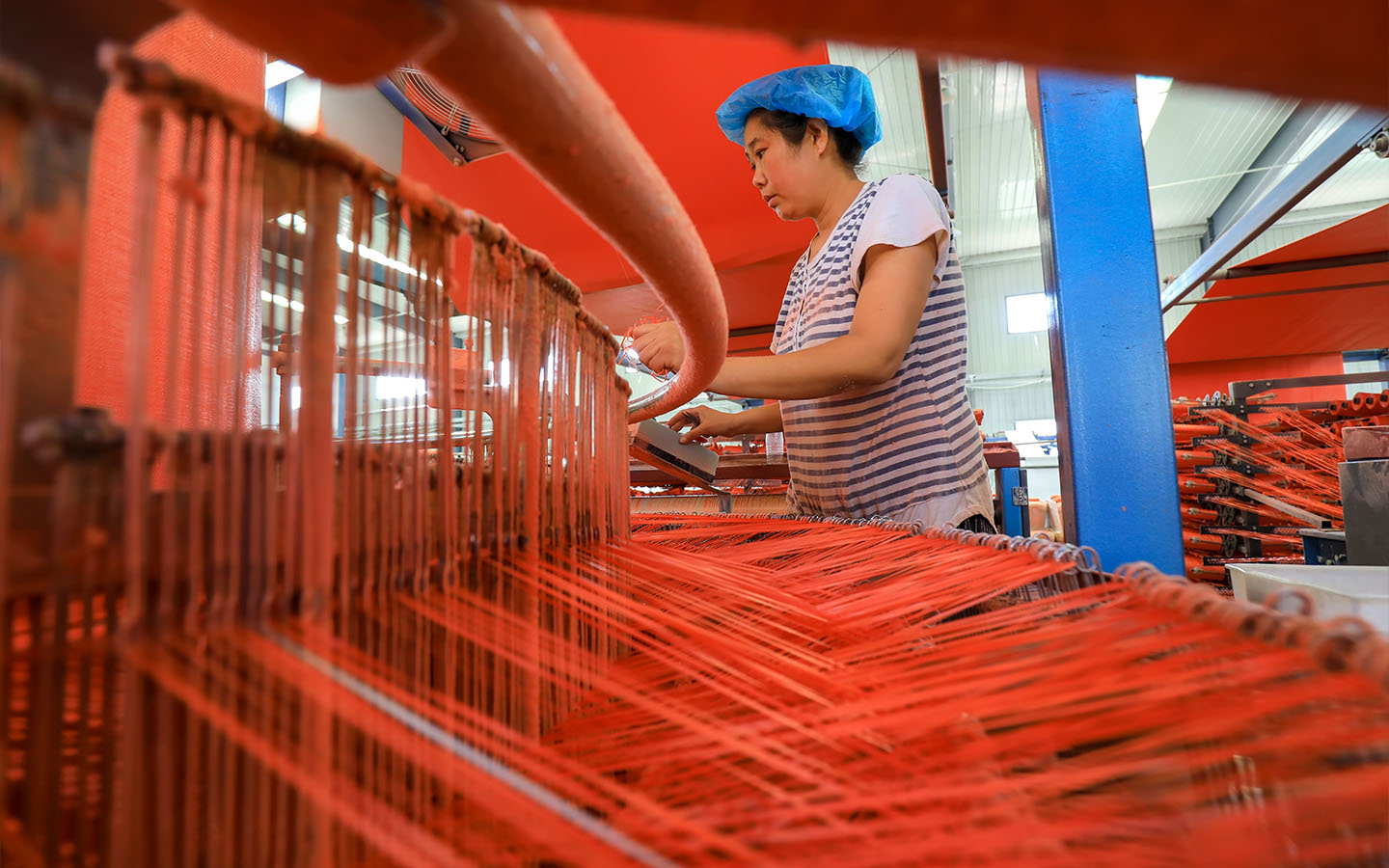
Headwinds are expected to continue into 2026, however. Weakness in the property sector, soft labour markets and cautious household spending continue to temper growth, while slower manufacturing and infrastructure investment reflect profit pressures and tighter local government finances, the World Bank noted.
Mara Warwick, the World Bank’s division director for China, Mongolia and Korea, advised that “advancing structural reforms of the social protection system and creating a more predictable environment for businesses” would help boost confidence and domestic demand – laying foundations for more sustainable growth in the future.
[See more: IMF upgrades China growth outlook, urges shift to consumption-led model]
The World Bank’s lead economist for China, Elitza Mileva, said household consumption could be supported by non-bank institutions such as pension funds, insurers and mutual funds.
“Enhancing the depth and transparency of capital markets, as well as allowing market forces to guide financial decisions more effectively, can improve returns, reduce precautionary saving, and drive rebalancing towards consumption,” she noted.
The International Monetary Fund (IMF) has also just upgraded its economic forecast for China, projecting growth of 5 percent in 2025 and 4.5 percent in 2026. Adjustments of 0.2 and 0.3 percentage points respectively from October. Beijing, meanwhile, is officially aiming for gross domestic product (GDP) growth of around 5 percent.
At the end of the third quarter, year-to-date GDP was up by 5.2 percent compared with the same period last year. The World Bank attributed the solid performance to “accommodative fiscal and monetary policies [supporting] domestic consumption and investment,” along with increasing demand from developing countries for Chinese goods.