
Beijing has moved to formally shield five mainland companies from US secondary sanctions linked to Iran oil transactions, setting up a rare, open confrontation between Chinese law and Washington’s extraterritorial measures that now threatens to pull banks into the crossfire. The news was carried in both Chinese and Western media reports.
China’s Ministry of Commerce (MOFCOM) on Saturday issued a prohibition order stating that US sanctions imposed under executive orders 13902 and 13846 on five Chinese firms “shall not be recognized, enforced or complied with” inside China.
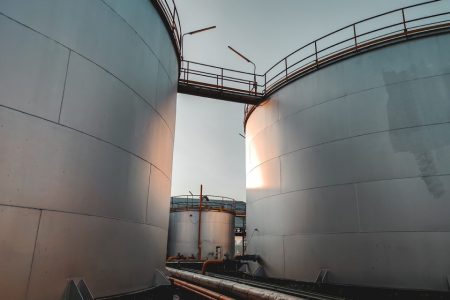
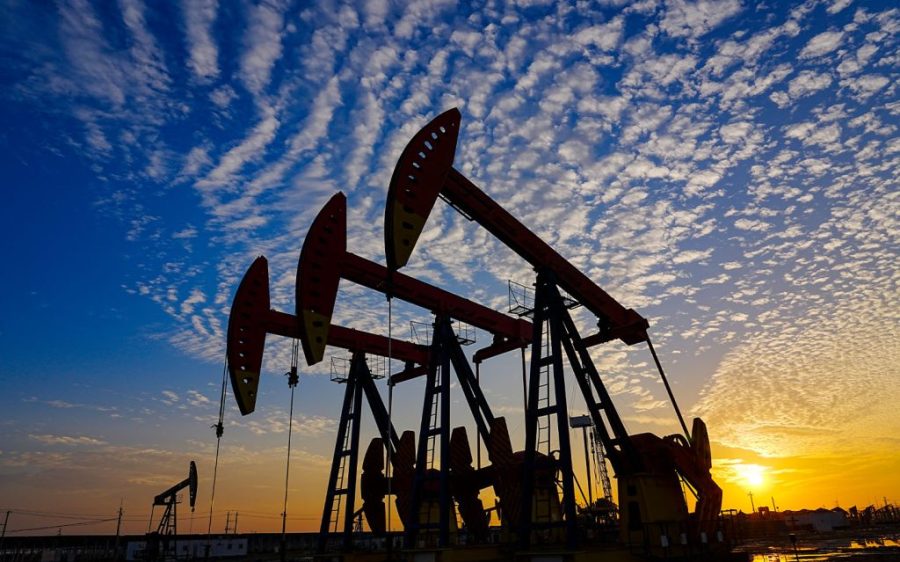
The companies, which include Shandong Shouguang Luqing Petrochemical and Shandong Jincheng Petrochemical, were earlier added to the US Treasury’s Specially Designated Nationals (SDN) list over alleged involvement in Iranian petroleum trade, exposing them and any counterparties to asset freezes and transaction bans in US jurisdiction.
According to Bloomberg, MOFCOM’s blocking order goes further than previous, more general anti‑sanctions rules by naming specific targets and explicitly forbidding Chinese entities from observing the US measures.
[See more: US and China propose new mechanism to temper trade tensions]
The move Chinese banks and intermediaries in what one analyst described as a “compliance squeeze”: if they follow US sanctions to protect access to dollar clearing and the SWIFT system, they risk violating Chinese law; if they follow MOFCOM’s order, they could face US penalties.
The US position is that the five Chinese companies helped move Iranian oil in violation of existing sanctions, and officials have separately warned that Chinese banks could be subject to secondary sanctions if Iranian funds are found in their accounts.
Reports that US Treasury letters were sent to at least two Chinese lenders underscore the risk that larger institutions could be targeted if Washington concludes they are facilitating sanctioned transactions.
However, Chinese officials frame the move as a defence of sovereignty rather than an attempt to undercut the wider sanctions regime on Iran. A MOFCOM spokesperson said the order was aimed at safeguarding “China’s sovereignty, security and development interests,” reiterating that Beijing “always opposes unilateral sanctions” imposed without UN Security Council authorization.
In comments cited by China Daily, Chinese legal and trade scholars argued that the MOFCOM order is aimed at protecting the “legitimate rights and interests” of Chinese firms and countering what they described as Washington’s “long‑arm jurisdiction” in the Iran sanctions regime.