China is home to 416 unicorn companies, accounting for nearly 30 percent of the global total, according to multiple news reports. The report places China second worldwide by the number of unicorn firms, behind the United States, which holds a 49.8 percent share, the Beijing Evening News reported on 31 March.
Unicorn companies are privately held startups valued at more than US$1 billion and are widely regarded as an important indicator of innovation and high-growth entrepreneurship.
[See more: Foshan launches China’s first automated humanoid robot line]
According to the report, China’s unicorn companies have a combined valuation of about US$1.61 trillion, with an average valuation of US$3.869 billion per firm. Both the number of unicorns and their valuations have reached their highest levels in three years.
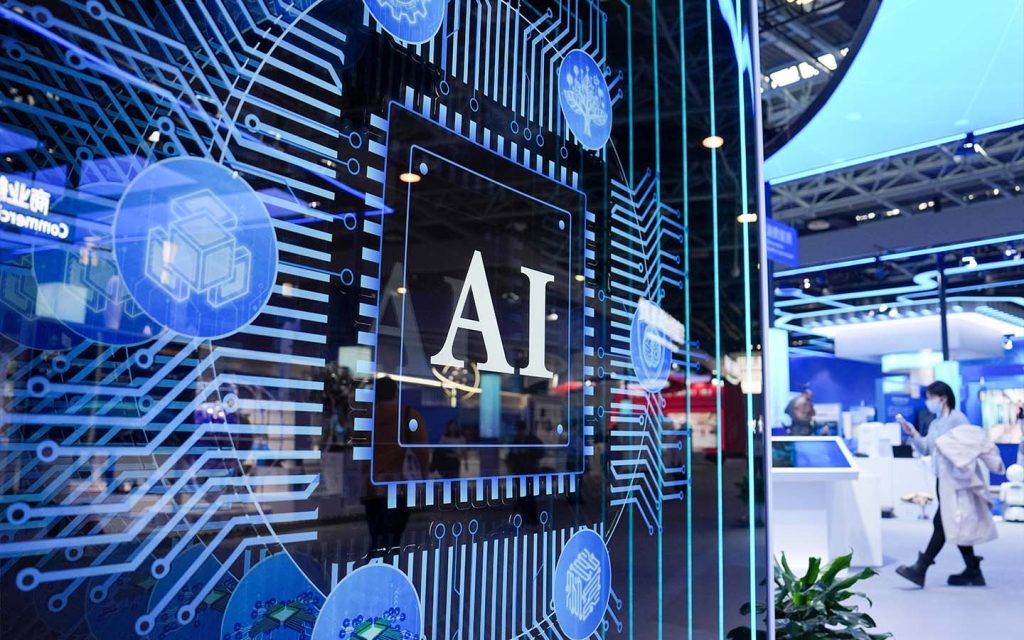
Hard-technology sectors dominate China’s unicorn ecosystem, with artificial intelligence emerging as the leading field. The report found that the AI sector alone hosts 69 unicorn companies with a combined valuation of US$638 billion.
More than three-quarters of China’s unicorn firms operate in hard-technology industries, accounting for nearly 80 percent of total valuations, said Xuan Hong, head of the Zhongguancun Unicorn Company Development Alliance.
The report also identified 14 “super unicorns,” companies valued at more than US$10 billion, which together account for nearly half of the total valuation of China’s unicorn ecosystem.
[See more: China starts 2026 on firmer footing, but structural risks linger]
Regionally, the Yangtze River Delta leads the country with 163 unicorn companies and serves as a major hub for integrated circuit enterprises.
The Beijing-Tianjin-Hebei region recorded a combined valuation exceeding US$760 billion, driven largely by advances in artificial intelligence. At the same time, the Greater Bay Area hosts 69 unicorn companies and stands out for strong activity in new consumption and retail sectors.
China’s three major technology hubs – Beijing, Shanghai and Shenzhen – together account for nearly 70 percent of the total valuation of the country’s unicorn companies.
Among them, Beijing leads the nation with 116 unicorn firms, including 40 focused on artificial intelligence.
[See more: China’s Two Sessions to outline the nation’s economic trajectory to 2030]
The report also highlighted strong innovation activity among technology startups. On average, unicorn companies in hard-tech sectors filed 364 patent applications, about 2.2 times as many as firms in non-hard-tech industries.
The figures highlight China’s growing role in global innovation and technology entrepreneurship as competition intensifies in emerging sectors such as artificial intelligence, semiconductors and advanced manufacturing.