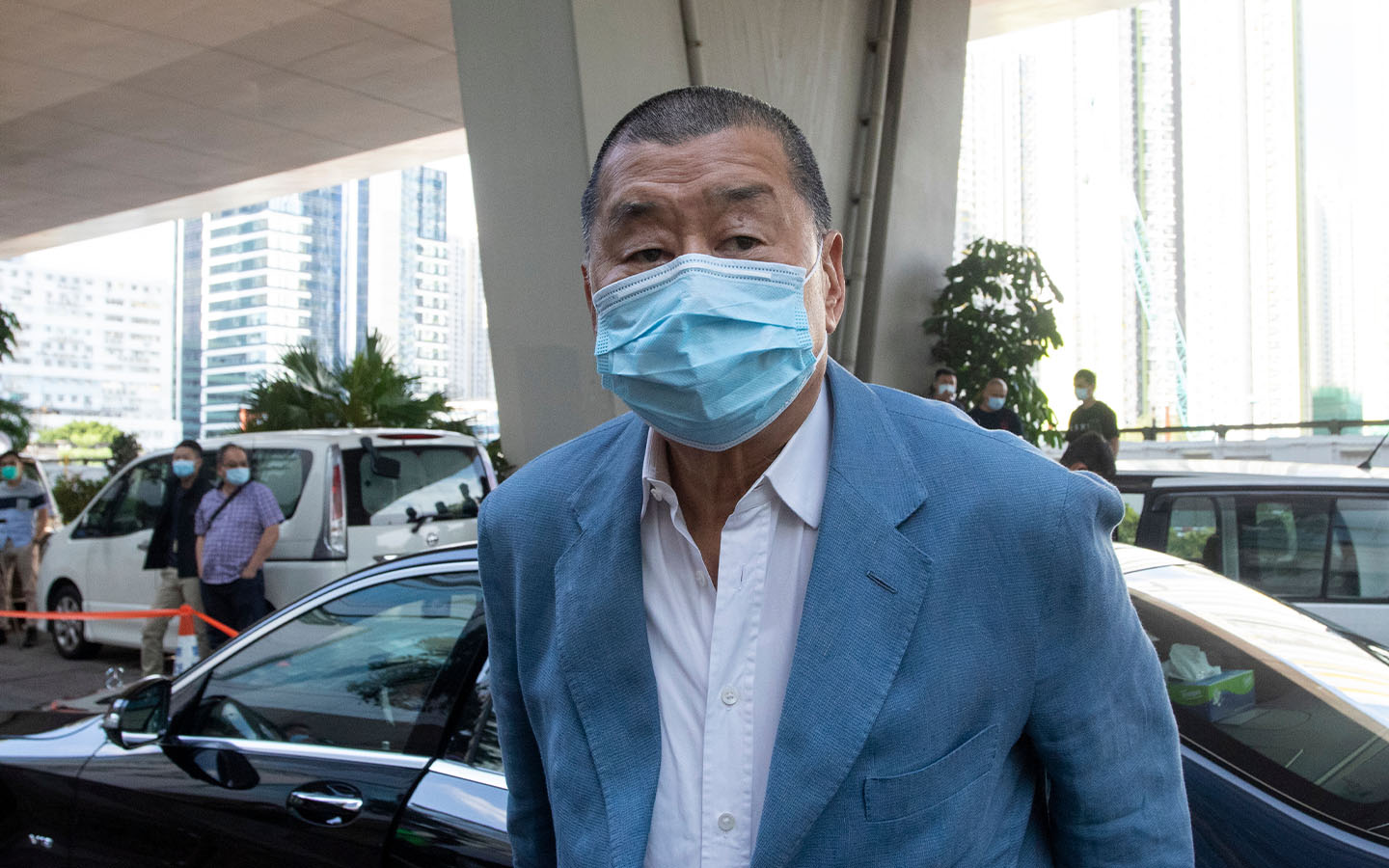
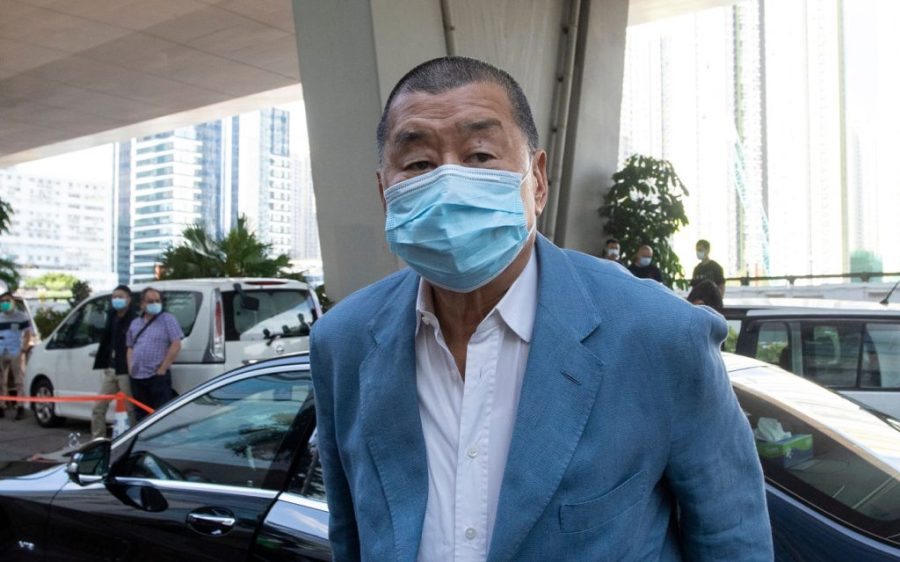
Former publishing tycoon Jimmy Lai has been found guilty by three judges at Hong Kong’s High Court of two counts of conspiracy in foreign collusion under the city’s national security law, as well as one count of conspiracy to produce seditious publications.
The 857-page judgement was summarised this morning by Judge Esther Toh after a two-year trial of Lai – a prominent figure in the violent anti-China protests that rocked the city in 2019 – and reported in multiple media outlets.
Judge Toh said that “The only reasonable inference we can draw from the preponderance of the evidence” is that Lai’s intention “was to seek the downfall of the CCP [Chinese Communist Party].”
She added that Lai’s antipathy toward China was evident from his foreign media interviews and she pointed to “indisputable evidence” that Lai, 78, had lobbied foreign countries to impose sanctions or conduct other hostile activities against Hong Kong, mainland China, or both.
Judge Toh cited a 2020 letter from Lai to the New York Times, in which he wrote: “Now is not the time for rhetoric but to take action to sanction and exact punishment on China … This may even be the best time for America to create a ‘perfect storm’ to wrought [sic] the demise of the [CCP].”
[See more: Macao issues strong rebuff to Washington’s latest rights report]
Lai’s earlier advocacy of a greater US military presence in the South China Sea, and his recruitment of former US top officials to advise the leaders of Taiwan, were also referenced.
Hong Kong authorities say Lai used his news outlet, the now defunct Apple Daily, and other platforms to call for international sanctions. He also provided funds for protest groups that lobbied Western governments to carry out sanctions against Beijing and Hong Kong.
Lai now faces the possibility of life in prison.
The Lai verdict comes a day after Hong Kong’s Democratic Party announced that it was disbanding after 31 years. The party had struggled with declining membership and been increasingly marginalised after senior members threw their weight behind the 2019 protests and because of the party’s vehement opposition to Beijing-led electoral reforms.