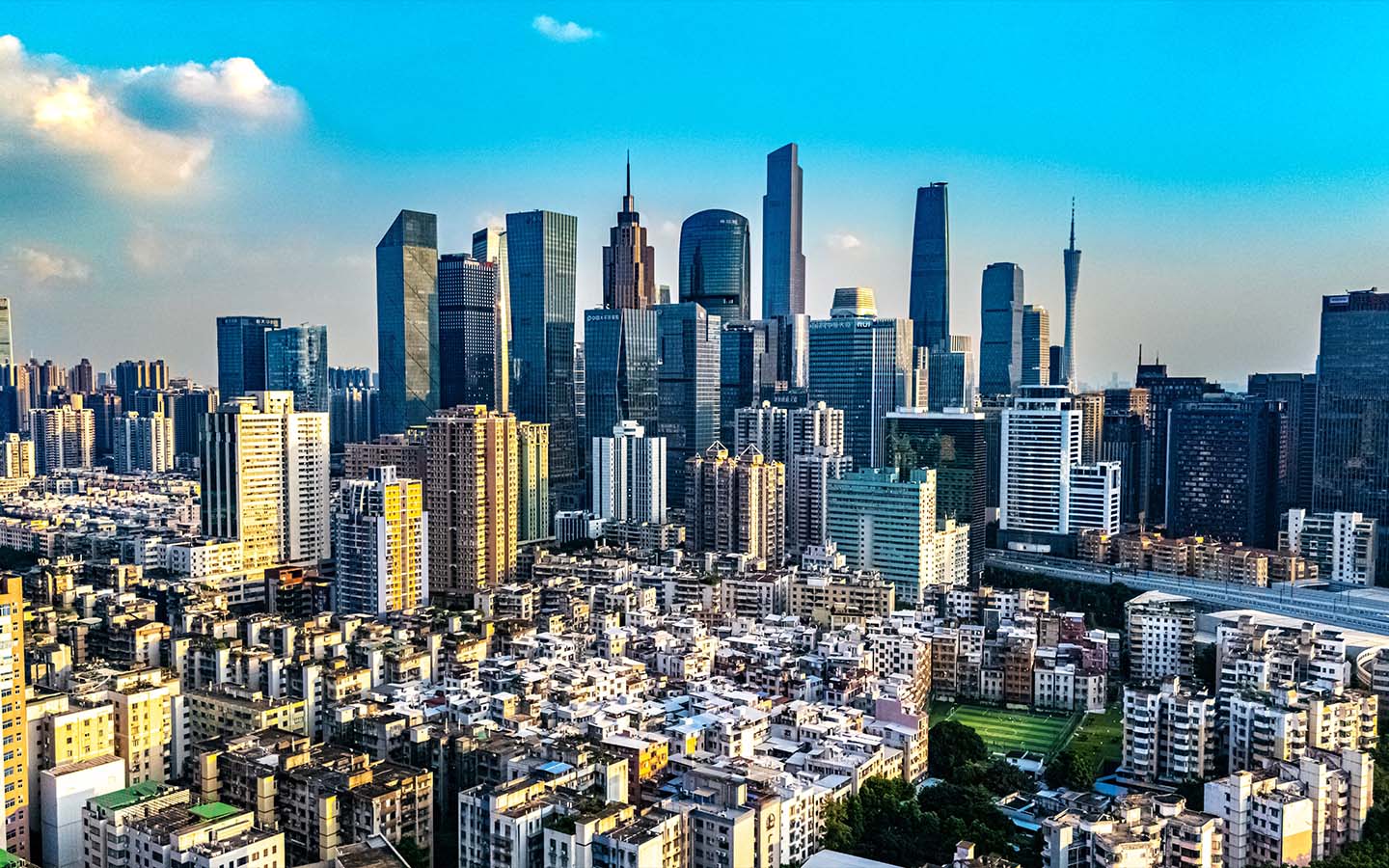
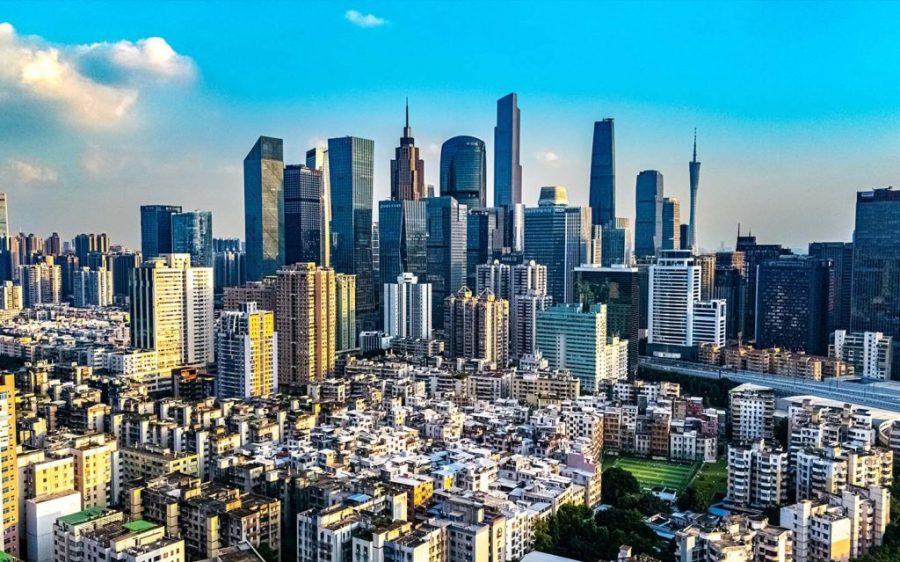
Guangdong province’s gross domestic product (GDP) hit a value of 14.58 trillion yuan (US$2.09 trillion) last year, putting its economy at the top nationwide for the 37th consecutive year. That’s according to the 2026 Guangdong Government Work Report, which was delivered at the opening of the fifth session of the 14th Guangdong Provincial People’s Congress in Guangzhou yesterday.
Despite ranking number one, Guangdong’s economy grew by only 3.9 percent year-on-year, falling short of the national average of 5 percent.
The province’s governor, Meng Wanli, was cognisant of the challenges ahead during the delivery of the report, with RTHK noting that he pointed to issues such as changes in the external environment, insufficient growth in investment and the need to shore up domestic demand.
Nevertheless, the report stated that Guangdong’s GDP was forecast to grow by 4.5 to 5 percent in 2026.
For the year ahead, Meng vowed to further promote development of the Greater Bay Area (GBA) and deepen cooperation within the region by strengthening policy coordination, resource sharing, technological innovation and infrastructure connectivity. He noted that the GBA’s GDP was forecast to break 15 trillion yuan (US$2.1 trillion) in 2025.
[See more: Chinese provinces set 2026 growth targets, with tech and R&D at the core]
The governor spoke of launching construction of the Guangzhou-Zhuhai (Macao) high-speed railway, completing development of the Huanggang Port between Shenzhen and Hong Kong, as well as deepening airport connectivity within the GBA.
Mention was also made of leveraging the “new positioning” between Macao and Hengqin in the second phase of the latter’s development, as well as fast tracking the development of the “four new industries” in Macao and Hengqin. These include technology and advanced manufacturing; life sciences; MICE (meetings, incentives, conventions and exhibitions) and cultural tourism; and financial services.
Some of Guangdong’s major economic achievements in 2025 were also highlighted in the report. According to data cited by local media, the province’s foreign trade grew by 4.4 percent last year, contributing to 24.1 percent of China’s overall trade growth.
Meanwhile, the region’s spending on R&D in 2025 is forecast to total 535 billion patacas, with the Shenzhen-Hong Kong-Guangzhou cluster bagging first place in the World Intellectual Property Organisation’s Innovation Cluster Ranking 2025.
In terms of transport, the work report pointed out that key cities in Guangdong had more or less developed a “one-hour commuter circle.”
A press conference was also held during yesterday’s congress, with the director of Guangdong’s Department of Science and Technology, Wang Yueqin, telling reporters that Guangdong intended to launch a science-tech hub in conjunction with Macao and Hong Kong.