Research conducted by the University of Hong Kong’s (HKU) Faculty of Medicine suggests that finerenone, a medicine commonly used to treat chronic kidney disease linked to type 2 diabetes, could be repurposed to restore fertility in some women with premature ovarian insufficiency (POI).
The discovery was reported by local media outlets and published in the journal Science.
Defined as the loss of normal ovarian function in women under the age of 40, the condition affects up to 3 percent of women of reproductive age worldwide and is often associated with ovarian fibrosis that severely restricts follicle growth, affecting fertility. Conventional in vitro fertilisation (IVF), while the most effective treatment for general infertility, is almost impossible for POI patients.
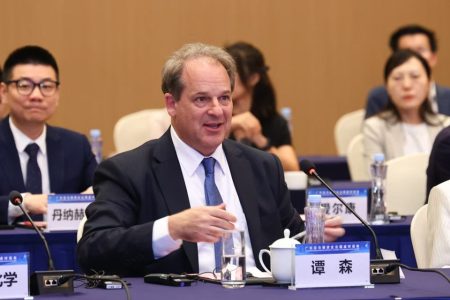
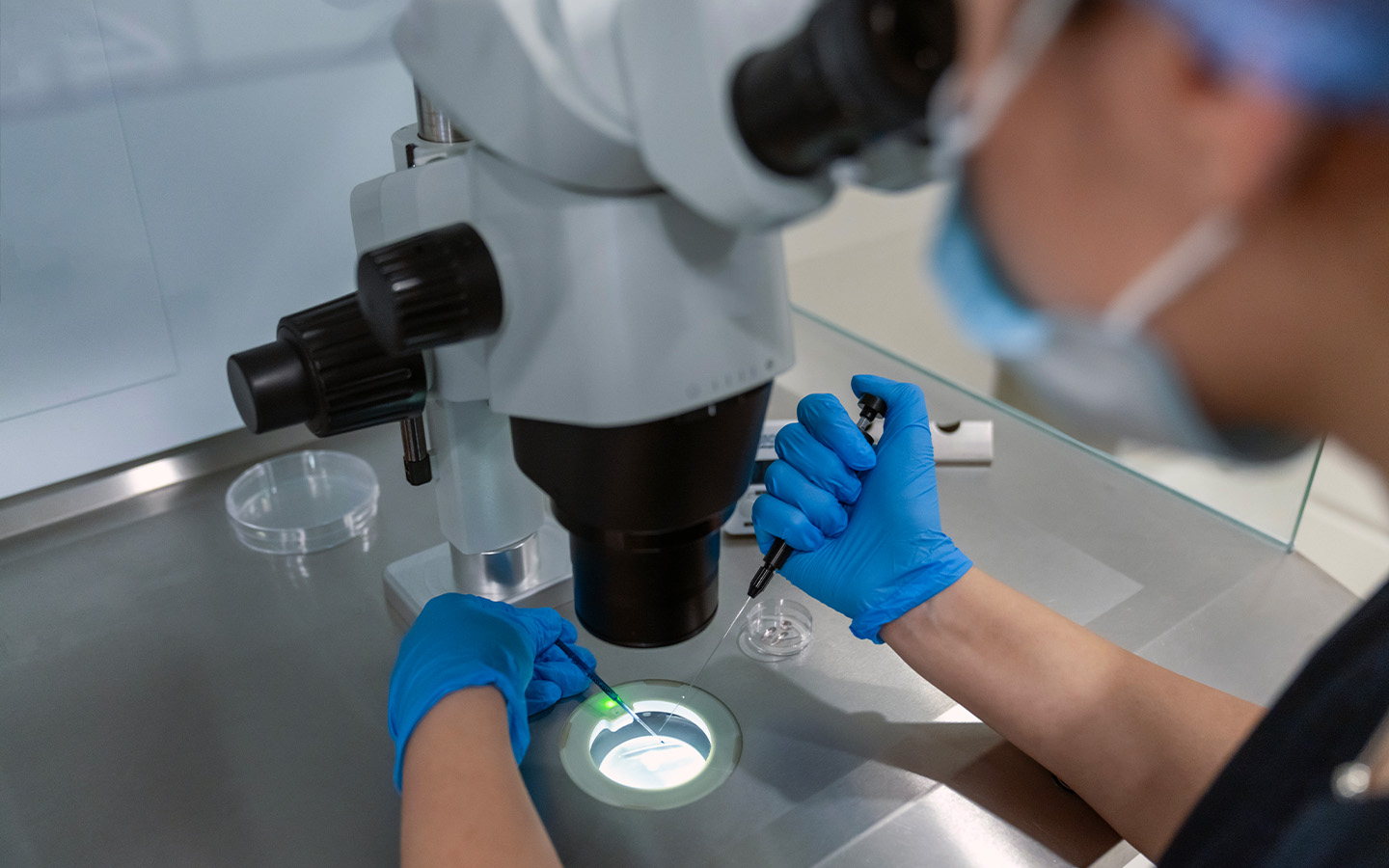
The HKU team found that finerenone can effectively reduce ovarian fibrosis, in turn creating a better ovarian micro-environment. This action helps to awaken dormant small follicles and support their development into mature eggs, capable of forming viable embryos. Clinical Professor Ernest Ng Hung-yu, a member of the research team, described the new research as a “paradigm shift” from current approaches, which primarily focus on stimulating follicles.
“I think it’s quite a breakthrough because the current treatment for patients who actually have premature ovarian insufficiency is to just wait,” Professor Ng said.
[See more: An assisted fertility scheme is being introduced to boost Macao’s birthrate]
The research detailed a clinical trial launched in 2024 at the HKU-Shenzhen Hospital. Fourteen mainland Chinese women, aged between 27 and 39 and diagnosed with POI, received pulsed oral finerenone therapy coupled with personalised ovarian stimulation regimens for up to seven months.
Among the participants, eight successfully developed antral follicles that eventually matured. Approximately half of the 14 participants obtained mature eggs, with three subsequently developing usable embryos, and three others opting to freeze their oocytes.
The findings suggest finerenone could offer a viable and affordable treatment option. Clinical assistant professor Wang Tianren noted that the treatment could “lower the economic burden for patients,” with the monthly cost of medication for each participant in the trial ranging from about HK$100 to HK$200.
As the drug is already approved by the United States Food and Drug Administration, repurposing finerenone to treat POI patients could save an estimated 20 years of time required for developing new medications. The team now plans to conduct a much larger, multi-centre study to determine if the drug could help those infertile women over the age of 40. Infertility affects one in six couples of reproductive age worldwide.