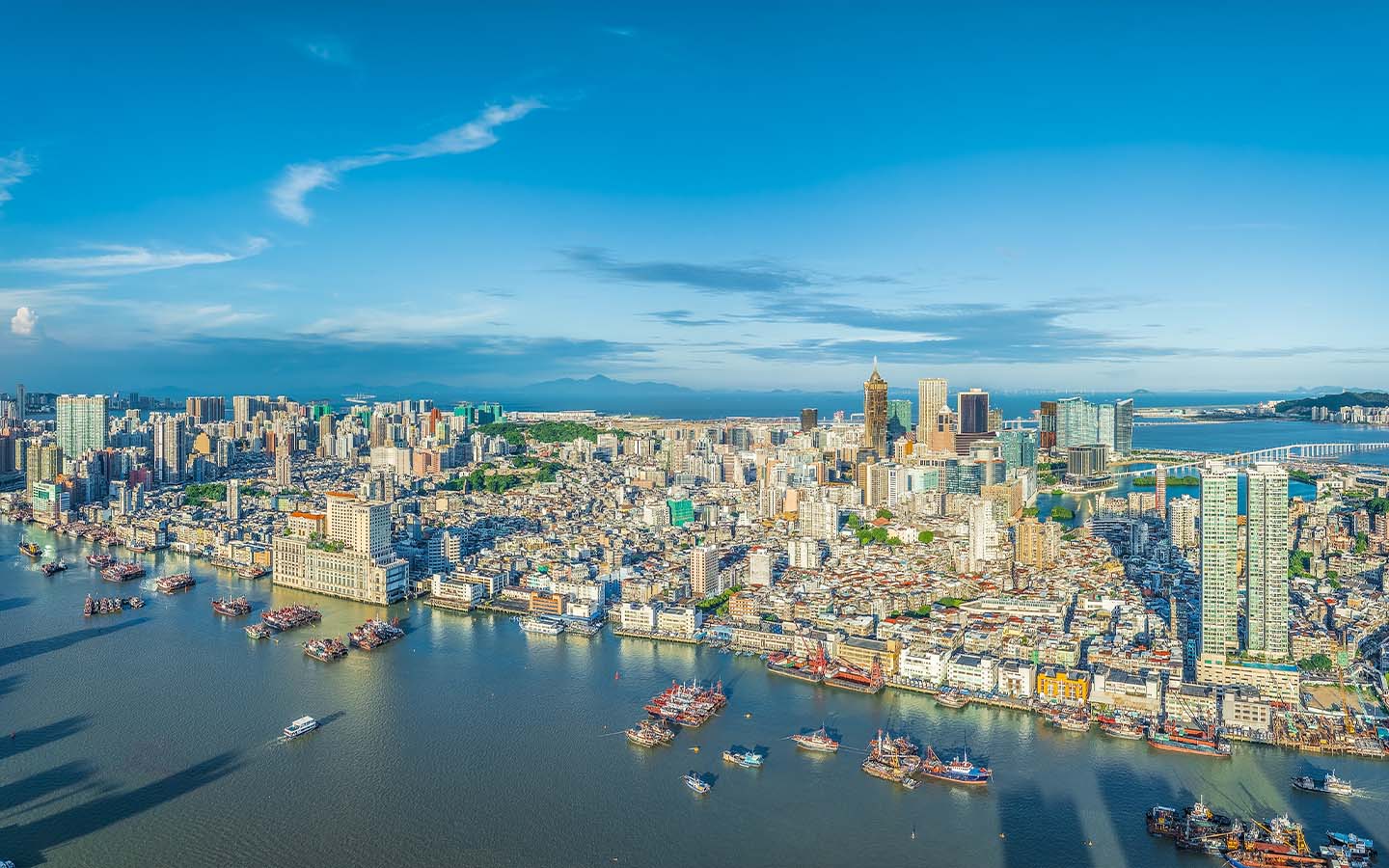
The Macau Economic Association (MEA) is forecasting stable growth in the SAR’s economy in the first quarter of 2026, with the city continuing to rely on the casino operators as its main economic driver.
In a report published yesterday, the association said the expected surge in the city’s visitor arrival during Chinese New Year and other public holidays would directly reinforce the hotel occupancy and gross gaming revenue (GGR) numbers.
According to the MEA, Macao’s economic prosperity index will remain steady over the next three months, with “stable” scores between 6.1 points and 6.3 points predicted for the period spanning January to March.
Calculated out of 10 points, the Macao economic prosperity index is determined by analysing 13 different factors, including the city’s GGR, visitor arrival, unemployment rate and hotel occupancy.
Looking back over the last two months of 2025, the MEA noted that the index remained stable, with scores of 6.3 points in November and 6.2 points in December.
The organisation also highlighted some of the major achievements of Macao’s economy last year, including the continued year-on-year growth of Macao’s annual GGR in spite of a slight dip in casino revenue between November and December.
Last year witnessed a record-breaking visitor arrival rate of 40.06 million people, a figure that exceeded that previous high recorded in pre-pandemic 2019. When compared to 2024, the 2025 tourist number represents a surge of 14.7 percent.
[See more: Macao’s 2025 gaming revenue tops 247 billion patacas]
Meanwhile, other tourism-related indicators performed strongly over the past year, including hotel guest numbers and the average hotel occupancy rate.
The labour market remained robust as well, with the MEA stating that the overall unemployment rate managed to remain at a relatively low 1.7 percent.
The association was also quick to point out some of the economic pitfalls that Macao was facing. For instance, it mentioned factors such as external uncertainties, changing consumption habits and unbalanced economic development that were resulting in operating pressures for local small and medium-sized enterprises (SMEs).
Under these economic conditions, the salary of residents has remained stagnant, with firms and families more inclined to spend and invest conservatively.
Similarly, the MEA noted that the China consumer confidence index has remained in a slump for an extended period of time. Meanwhile, the share price performances of the six local gaming operators have been less than ideal, with the association noting that this reflected the cautious attitude of investors in terms of the mid-term economic outlook.
Other indicators that have performed poorly include the loan-to-deposit ratio of residents and the property prices.