
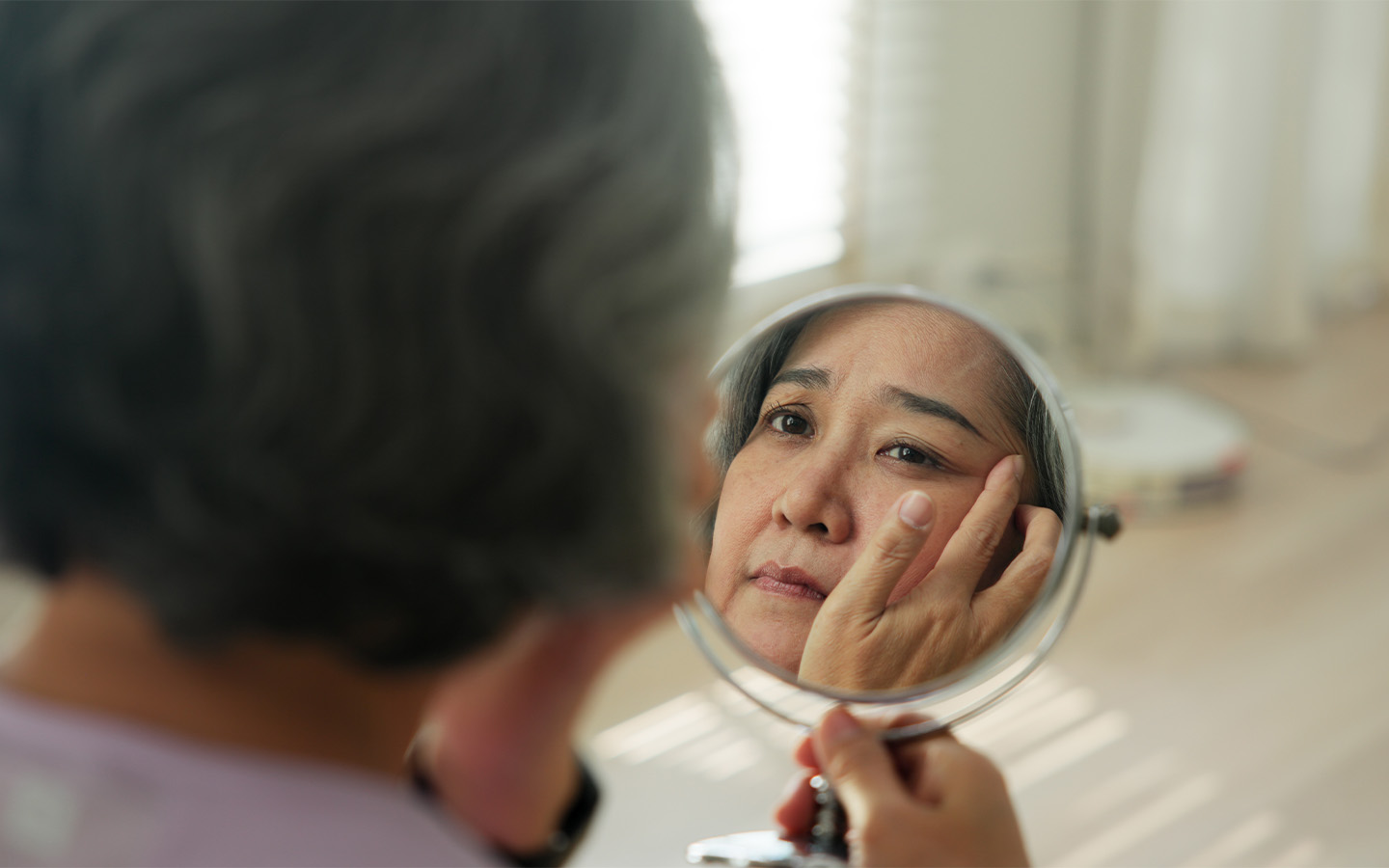
Fears about growing older, particularly about declining health, may contribute to accelerated ageing at the cellular level, according to a new study.
“Our research suggests that subjective experiences may be driving objective measures of ageing,” said Mariana Rodrigues, a PhD student at NYU School of Global Public Health and the first author of the study. The study, published in the journal Psychoneuroendocrinology, suggests that anxiety around ageing “is not merely a psychological concern, but may leave a mark on the body with real health consequences.”
Many people experience anxiety around ageing, concerned about physical decline, disease and loss of independence. Previous research has shown that chronic psychological stress can influence biological ageing through epigenetic changes, altering how a gene is expressed without affecting the DNA itself.
“We know from previous research that anxiety, depression, and mental health in general are associated with a number of physical health outcomes,” Rodrigues explained. “But until now, researchers haven’t focused on whether there is a correlation between worrying about ageing and the process of ageing itself.”
[See more: Unhealthy sleep could be prematurely ageing your brain, study finds]
The researchers analysed data from 726 women enrolled in the Midlife in the United States (MIDUS) study, who reported on fears of changing physical appearance, increased health problems and becoming too old to have children. Blood samples allowed the team to assess biological ageing using two epigenetic “clocks” – one that measures the pace of biological ageing and another that estimates the accumulation of biological damage.
Women reporting higher levels of anxiety about growing older showed signs of faster biological ageing, changes that may increase the risk of physical decline and age-related disease later in life. Concerns specifically about declining health showed a strong association with accelerated epigenetic ageing, possibly because these worries tend to persist while concerns about appearance or fertility lessen over time.
Since the study provides only a snapshot of anxiety and biomarkers at a single point in time, researchers can’t rule out other factors. When they controlled for harmful coping behaviours like smoking and alcohol use, for example, the association between anxiety and accelerated ageing was no longer significant. More research is needed to map how this type of anxiety affects biological ageing over time, which could enable healthcare providers to better support patients and mitigate harm.
“Ageing is a universal experience,” said Rodrigues. “We need to start a discourse about how we as a society – through our norms, structural factors, and interpersonal relationships – address the challenges of ageing.”