Despite reports suggesting calm had returned to the Thailand-Cambodia border on Wednesday evening following 11 days of conflict, forces on both sides remain on the highest level of alert, according to multiple media outlets.
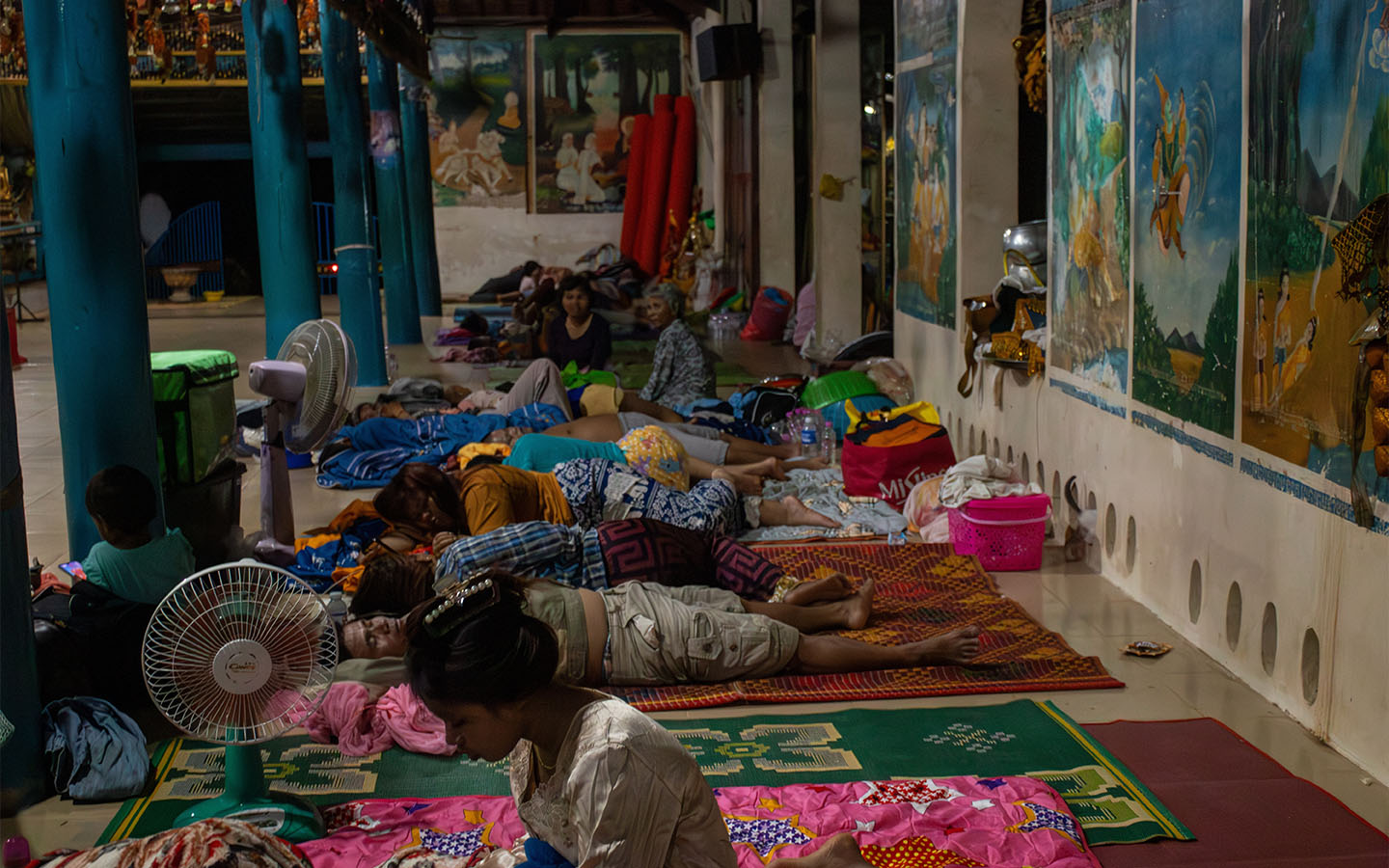
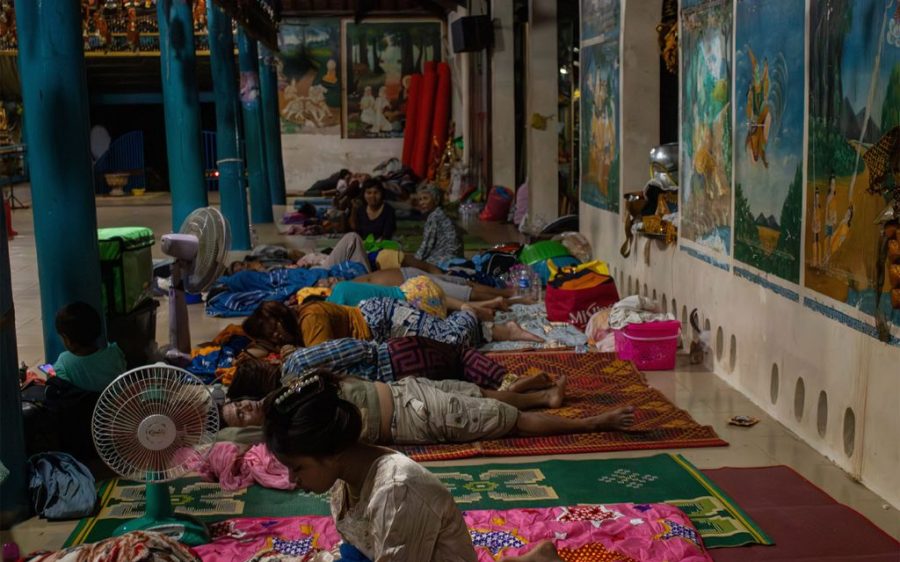
The uneasy quiet follows a devastating round of renewed clashes that have left at least 52 people dead on both sides since the fighting reignited on 7 December, displacing over 700,000 people.
Amid the conflict, high-level diplomatic efforts are being pursued by both regional and global powers. Malaysian Prime Minister Anwar Ibrahim confirmed that Thailand and Cambodia have agreed to the deployment of an ASEAN observer team as part of ongoing de-escalation efforts. Both nations are scheduled to attend an ASEAN foreign ministers meeting in Kuala Lumpur on 22 December, an effort initiated by Malaysia and ASEAN to help ease tensions. Ibrahim has also appealed for an “immediate ceasefire.”
Separately, Chinese Foreign Ministry spokesperson Guo Jiakun announced that a special Chinese envoy for Asian affairs will undertake a “shuttle-diplomacy trip” to both capitals on Thursday to defuse tensions.
Fighting has involved heavy weaponry and advanced systems. Cambodia’s defence ministry reported Thai artillery and drone strikes, with its own forces responding by firing BM-21 rockets. The Thai army reported intermittent clashes involving mortars, tanks, and bomb-dropping drones, confirming the capture of the Chong Anh Ma area. Thai authorities have since announced the lifting of a curfew in certain border areas.
[See more: Thailand presses Cambodia for unilateral ceasefire as border conflict escalates]
The conflict has resulted in significant loss of life. Thai authorities reported 19 Thai soldiers and 16 Thai civilians killed, while Cambodia’s Interior Ministry reported 17 Cambodian civilians killed and 77 injured. Previously, Thailand’s defence ministry had reported 19 Thai soldiers and 19 Thai civilians dead, with over 270,000 displaced on its side alone.
On Tuesday, the Thai government said that Cambodia must be the first to announce a credible ceasefire that meets specific conditions and that Thailand “must” take control of Hill 350 near Prasat Ta Kwai.
The latest clashes have continued despite an earlier announcement by US President Donald Trump that the leaders of both nations had agreed to halt the fighting. An October peace agreement signed in Kuala Lumpur, also in the presence of the Malaysian prime minister, was later suspended after Thai soldiers were seriously injured in a landmine explosion.
The ongoing risk to civilians has led the UK’s Foreign, Commonwealth & Development Office (FCDO) to level up its travel warning, advising against all travel within 50 kilometres of the entire border, except for certain islands. The US Embassy in Thailand has issued a similar warning to its nationals.
Several historical temple sites straddling the frontier, including the contested Preah Vihear (known as Khao Phra Wihan in Thailand), remain closed.