Alex Honnold has completed a free-solo ascent of Taipei 101, free-soloing the 508-metre, 101-storey tower without ropes, harnesses or protective equipment.
The American climber scaled the exterior of the skyscraper using only his hands and feet, completing the climb in approximately 90 minutes. The ascent was broadcast worldwide by Netflix as part of Skyscraper Live, bringing a discipline usually performed in isolation to a global live audience.
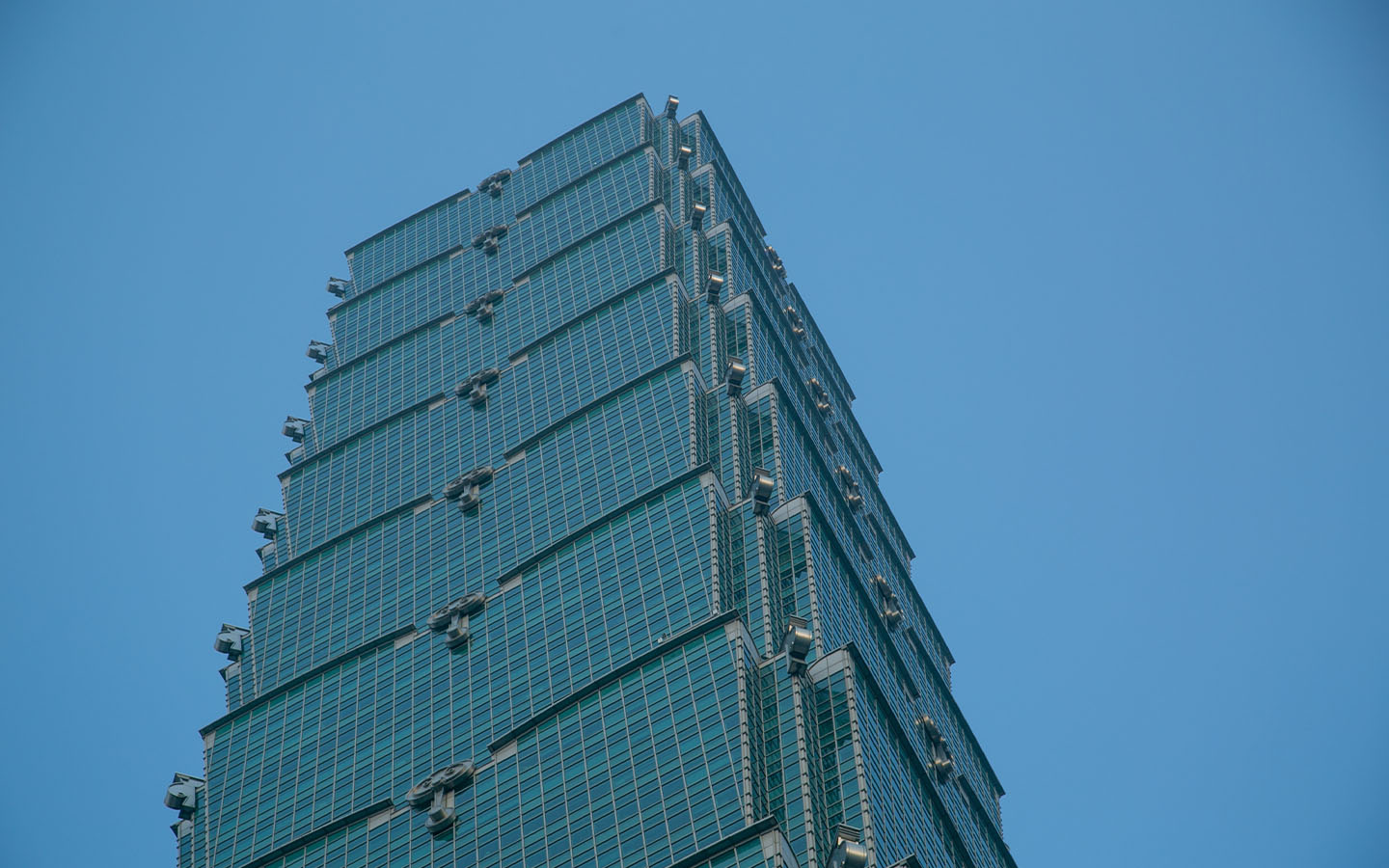
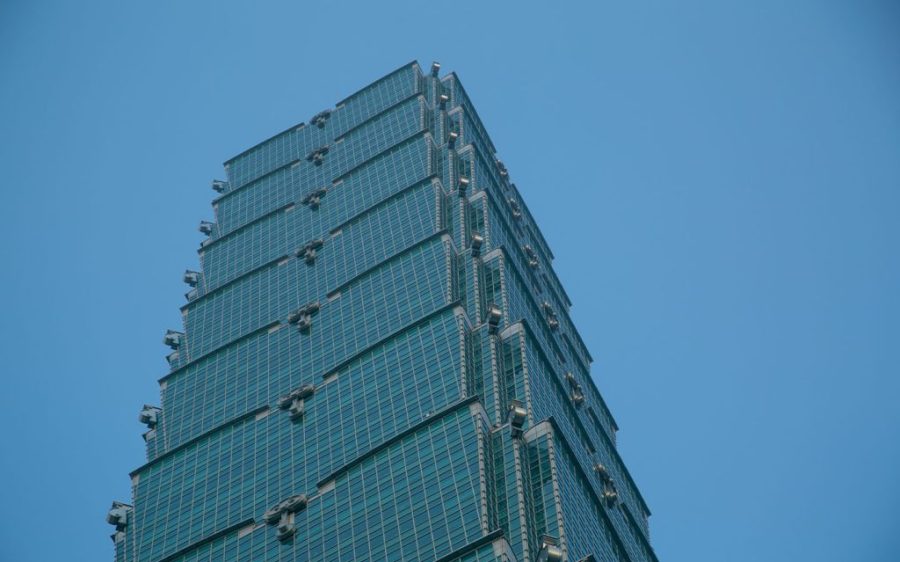
Taipei 101 presents a demanding environment for climbing. Unlike natural rock faces, the building was not designed for human ascent and offers only limited architectural features for movement. During the climb, Honnold relied on narrow structural elements, metal seams and ornamental features built into the façade. Large sections of the tower are covered in smooth glass, significantly reducing friction and increasing exposure at height.
Honnold climbed along one edge of the building’s tiered exterior, moving steadily between sections and pausing briefly on small exterior platforms to rest before continuing upward. The attempt had been postponed by one day due to rain, underscoring the sensitivity of the climb to weather conditions. Even after the delay, the wind at altitude and the building’s exterior surfaces added to the difficulty.
[See more: Here are some of the major marathons in China’s Greater Bay Area]
Once the tallest building in the world, Taipei 101 remains one of Asia’s most recognisable landmarks and a symbol of modern Taipei. While the tower has previously been climbed using safety equipment, Honnold is widely reported to be the first person to free-solo the structure without any form of protection, placing the ascent among the most notable examples of urban climbing to date.
The live broadcast marked a departure from how free soloing is typically experienced. The stream was aired with a short broadcast delay as a safety precaution, reflecting the challenges of televising an activity where mistakes can have fatal consequences. Images from the climb circulated widely online following the broadcast, drawing attention from both the climbing community and the general public.
[See more: These are the sports events Macao can look forward to in 2026]
Reflecting on the impact of the ascent, Honnold told the Guardian, “Often they’ll watch something like this, and it’s a reminder that their time is finite and they should use it in the best way, the most meaningful way that they can.”
He also spoke about the unusual experience of climbing in front of a crowd, saying, “When I was leaving the ground, you’re like ‘oh it’s kind of intense, there’s so many people watching.’ But then, honestly, they’re all wishing me well.”
Honnold is best known for his free solo of El Capitan in Yosemite National Park, documented in the Academy Award-winning film Free Solo. While that climb took place on natural granite, the Taipei 101 ascent presented a different test, shaped by artificial surfaces, repetitive movement and prolonged exposure.
With the successful climb, Honnold has added Taipei 101 to a list of routes few would consider possible, further extending the boundaries of where free solo climbing has been demonstrated.