Toasting one another and watching magnificent displays of fireworks are almost universal ways to celebrate the New Year, but many cultures celebrate with rituals that are far more unusual.
From donning polka dot outfits, slurping noodles to men in drag, these unique New Year traditions are rooted in history, superstition, and a universal hope for prosperity.
[See more: Here are five of the world’s weirdest Christmas traditions]
The Philippines: Rounding off the year
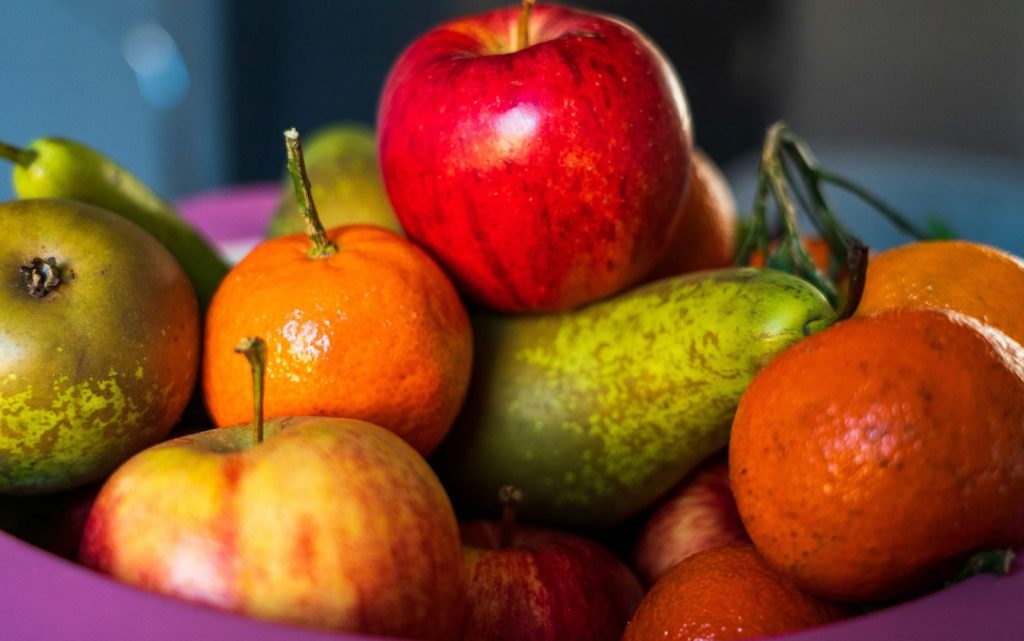
In the Philippines, New Year’s Eve is all about round things, whether it be something you eat, wear or see.
Driven by symbolism borrowed from Chinese culture, Filipinos believe round objects resemble coins and thus attract money and prosperity.
The most common thing to display on a table is twelve round fruits such as watermelons, honeydew melons, and oranges. Each fruit represents one month of the coming year, ensuring continuous good fortune. Polka-dotted clothing is also a common sight for those wanting to maximise their good fortune for the new year.
[See more: Macao’s Christmas Market opens – and more things to enjoy in the Greater Bay Area this week]
Japan: Finishing a bowl of long noodles

Literally called “New Year’s Soba,” toshikoshi soba are long noodles eaten specifically on the last day of the year to symbolise a long life and a smooth crossover into the new year. This tradition has roots in the Edo Period (1603 to 1868), when soba was considered a luxury.
Enjoyed hot in a broth or cold with dipping sauce, the long, thin shape of the noodles represents longevity, while the resilience of buckwheat represents good health. Since soba is easier to break compared to other noodles, it also serves as a symbol for cutting off the difficulties and misfortunes of the past year.
Remember to finish your bowl before midnight, to ensure a fresh start.
[See more: Five ways to have a more sustainable Christmas]
Scotland: Welcoming dark-haired men after midnight

Scotland’s Hogmanay is a New Year’s celebration famed for its ancient roots and as the Scots’ biggest party of the year. After singing “Auld Lang Syne,” the custom of first-footing begins. The first person to enter into one’s home after midnight sets the luck for the entire year.
The ideal “first-footer” is a tall, dark-haired man who traditionally brings symbolic gifts: coal for warmth, whisky for cheer, shortbread for food, and a coin for prosperity. Blondes or redheads, however, were considered bad luck due to their history of Viking invasions, a remarkable testament to the tradition’s long history.
This old tradition continues to this day among some families in Scotland, Northern England, and Northern Ireland, with dark haired boys and men prioritised to be the first-footer among families. Nowadays, anything that symbolises money, food, warmth and of course alcohol are great gifts to bring as a first-footer.
[See more: Here are the Christmas movies to watch this holiday season 2025]
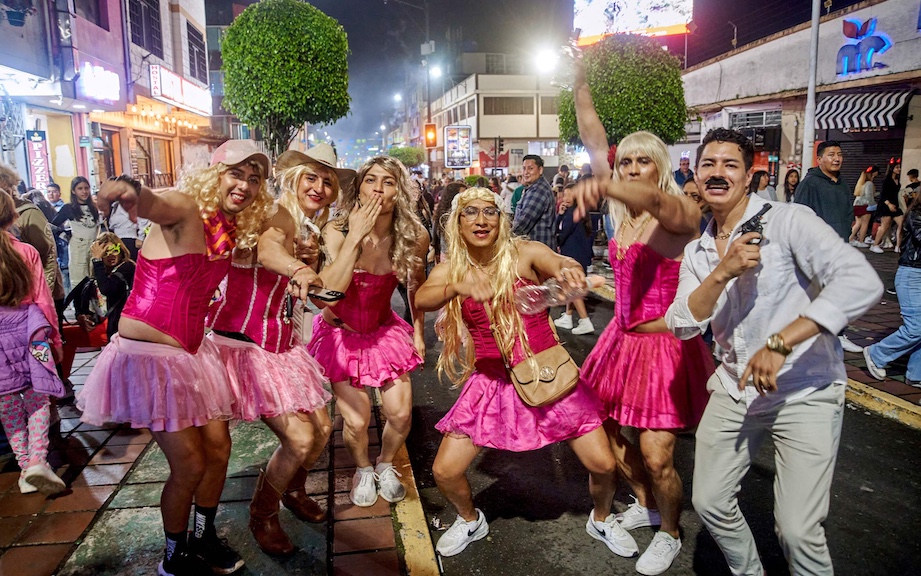
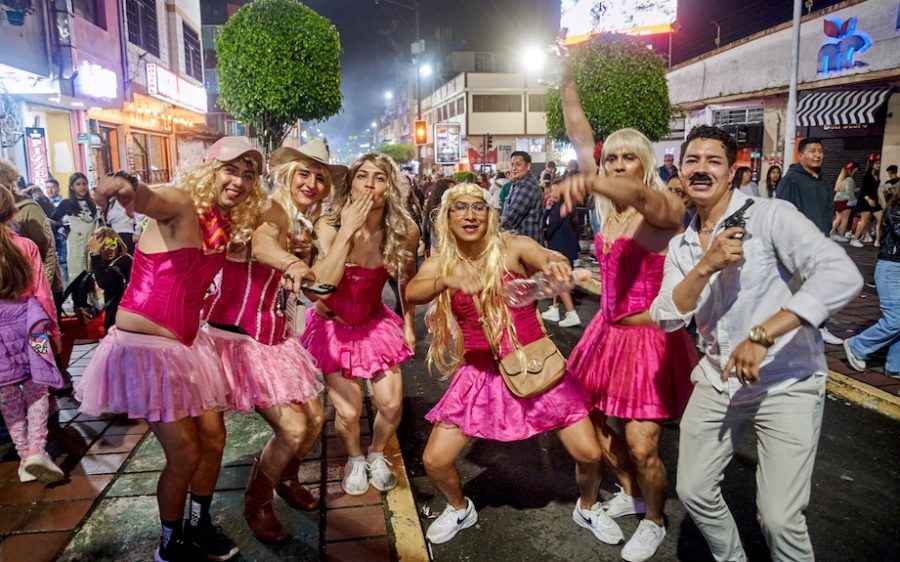
Ecuador: Men in drag
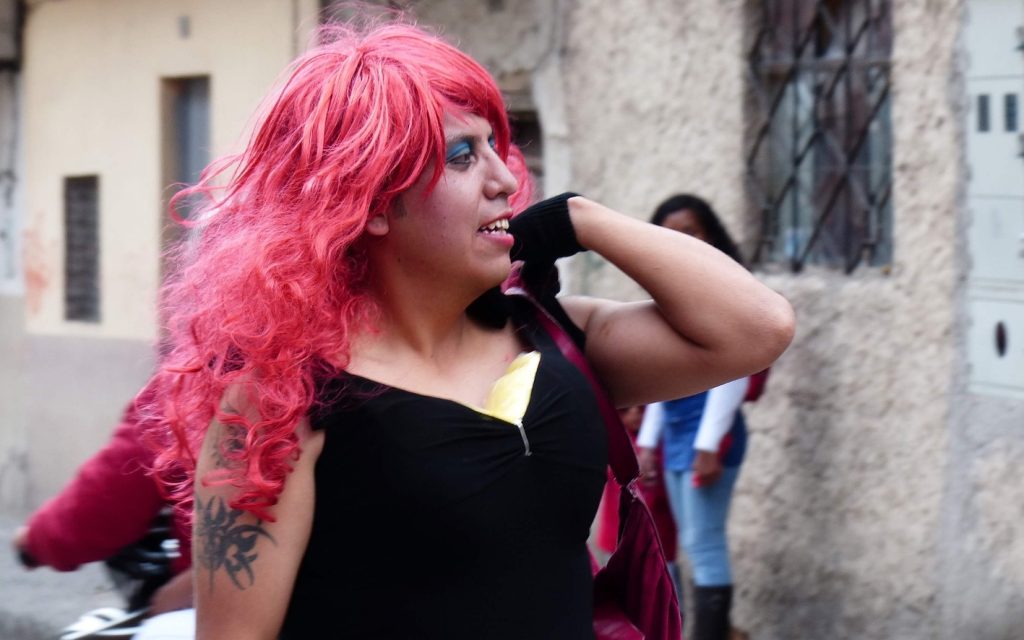
Men dressed in short skirts, wigs and heavy makeup typically roam the streets of Ecuador on New Year’s Eve, representing the “Widows of the Year”. Meaning this year, the men of Ecuador will be widows of 2025.
Taking to the streets, they stop cars to perform flirtatious and humourous dances to collect money from drivers. Interestingly, the collected money is often used to buy treats for children or, more likely, beer for the adults.
Its origins may link to another tradition, el año viejo, the burning of dolls. Life-sized dolls representing the past year’s troubles, such as disliked politicians, are burned at midnight to symbolise a fresh start. The joke is that the men act as their “widowed” girlfriends or wives of those burned in effigy.
[See more: Mark your calendar: sports to watch over the Christmas break 2025]
Latin America: Twelve grapes before midnight

This interesting tradition that originated in Spain but is common across Latin America, is eating twelve grapes before midnight. A grape is eaten per second to the final twelve chimes before midnight. Succeed, and you have brought in good luck and prosperity. Fail and you have a bad omen on your hands – or at the very least a potential choking hazard.
[See more: This is why Christmas Day can sometimes be a disappointment, according to neuroscience]
The tradition reportedly began in 1909 after an exceptional grape harvest in Alicante, Spain, and it has since become a widespread New Year’s ritual. The flavour of each grape, whether it’s sweet or sour, symbolises the fortune of each month in the new year too.