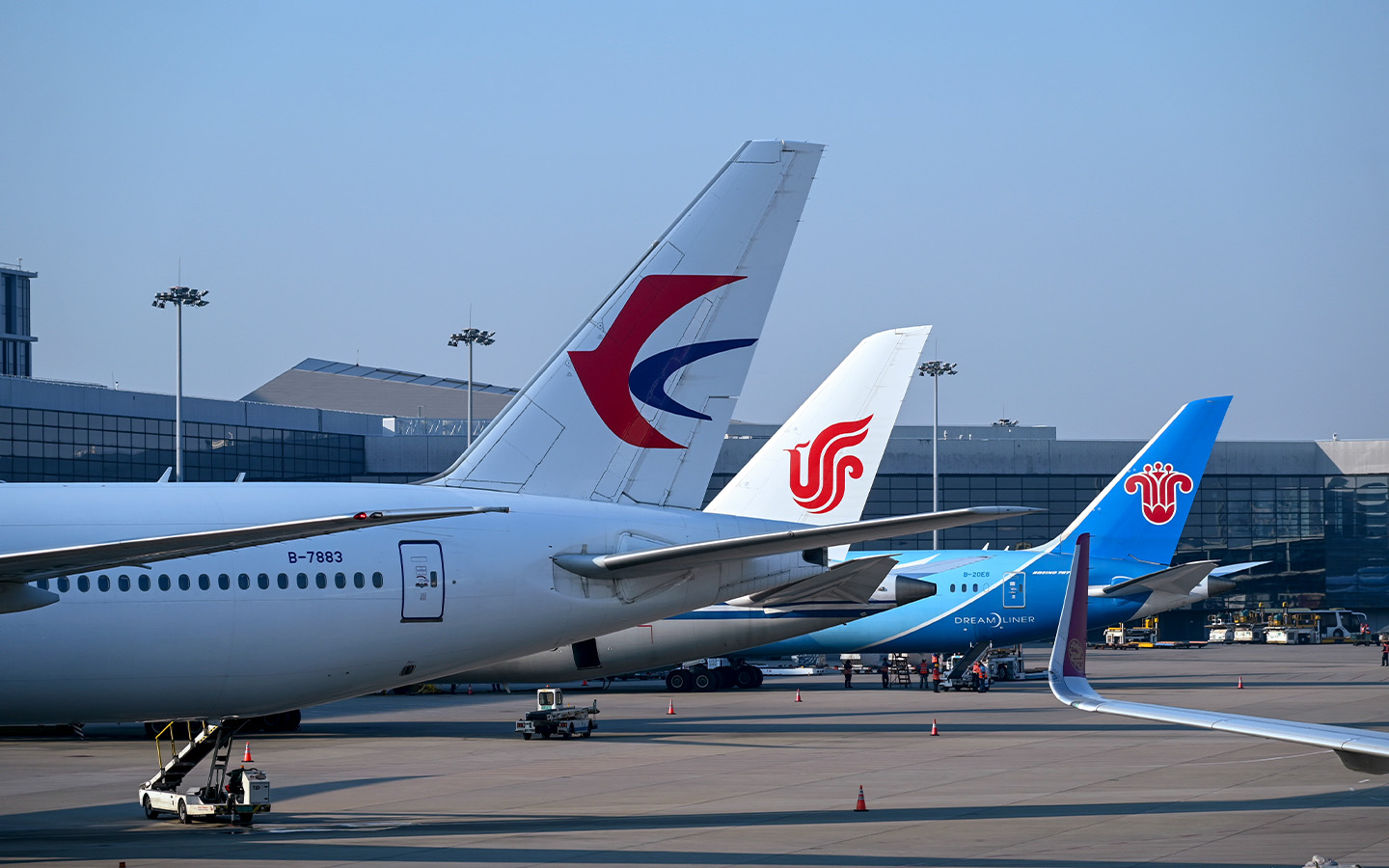
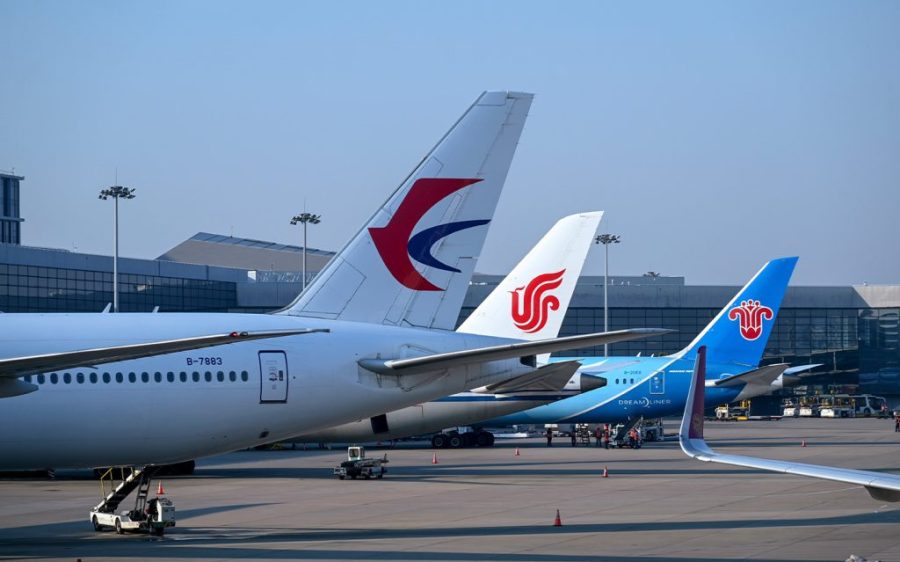
China is said to be considering a substantial financial relief package and other support measures for its state-run airlines as fuel expenses escalate due to the Iran war. This possible government intervention would represent the largest lifeline offered to the industry since the travel crisis caused by the Covid-19 pandemic, Bloomberg reports.
Among the options reportedly being evaluated by authorities are government subsidies, state-backed low-interest loans, preferential tax treatment, and potential mergers. Sources familiar with the situation told Bloomberg that these deliberations are at a preliminary stage, and no final decisions had been reached.
Neither China’s “Big Three” airlines – China Southern, China Eastern, and Air China — nor the Civil Aviation Administration of China or the State-owned Assets Supervision and Administration Commission have commented on the matter.
The current turbulence is the most severe facing global airlines since the pandemic halted travel During the Covid bailout, the Chinese government provided carriers with tens of billions of dollars in emergency loans, subsidised loss-making domestic routes, and offered discounted charges.
Despite those past efforts, China’s three largest carriers have struggled to achieve sustained profitability since the pandemic, Bloomberg says. Collectively, they incurred losses amounting to approximately 209 billion yuan (US$38.99 billion) between 2020 and 2025, with China Southern managing to post a profit in only one of those years.
[See more: The list of the world’s best 100 airlines has been announced]
The recent spike in fuel prices, triggered by the Iran war, is placing significant stress on the global aviation sector. Chinese carriers are particularly vulnerable to sudden fuel cost increases due to their reportedly limited use of hedging.
Nathan Gee, head of Asia-Pacific transport research at Bank of America Corp, told Bloomberg that the airlines’ net debt-to-equity levels also stood above 200 per cent at the close of December, a figure considered relatively high compared to other carriers in the region.
He suggested that elements of the Covid bailout “could return.” He also proposed that further consolidation, where the Big Three absorb smaller carriers, cannot be ruled out given the financial pressures ahead.
However, Bloomberg Intelligence analyst Eric Zhu noted that despite the recent accounting losses and high debt loads, the Big Three possess higher cash reserves today than they did in 2019, suggesting they are not nearing financial distress. Shares of the three Chinese carriers recovered some losses in Hong Kong on Thursday.