China is intensifying its diplomatic push in the Middle East, positioning itself as a mediator focused on ceasefire, dialogue and regional security. As the latest Iran‑centred conflict enters its fourth week, Beijing has rolled out a mix of shuttle diplomacy, high‑level phone calls and collective briefings aimed at keeping spillover risks in check.
At the centre of this effort is Zhai Jun, China’s special envoy on the Middle East issue, who has just completed a tour of Saudi Arabia, the United Arab Emirates, Bahrain, Kuwait and Egypt. In Beijing on Wednesday, he met ambassadors from Gulf Cooperation Council countries as a group, assuring them that China takes their security concerns “seriously” and will continue working with regional partners to seek de‑escalation.
Earlier briefings by Zhai described how airspace closures and missile interceptions forced his delegation to travel overland between some capitals, underscoring the intensity of the current crisis.
[See more: Airspace risk and demand slump prompt Cathay to extend Middle East flight suspension]
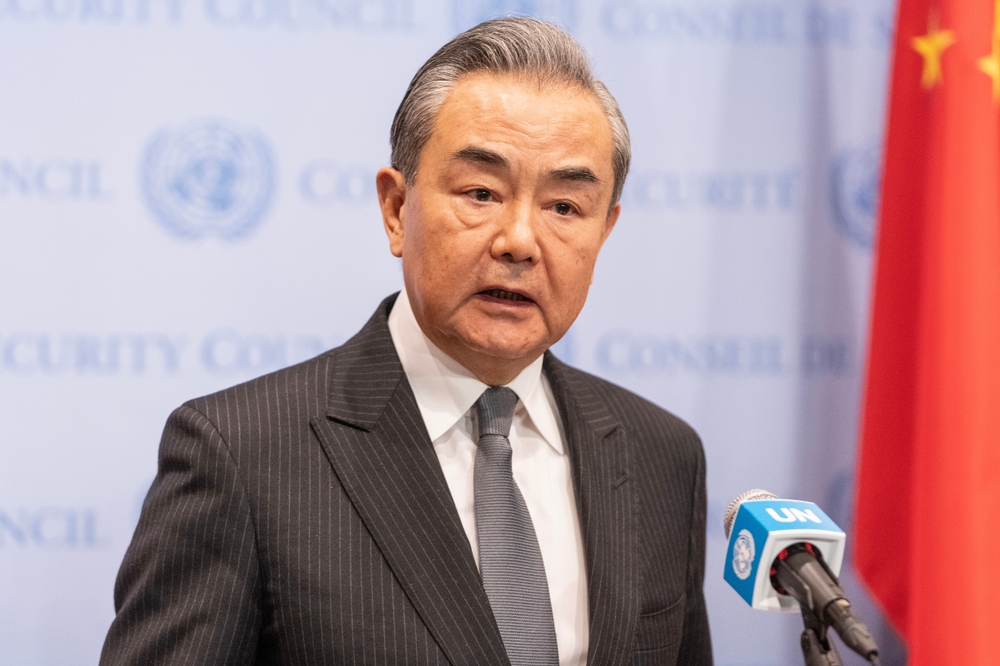
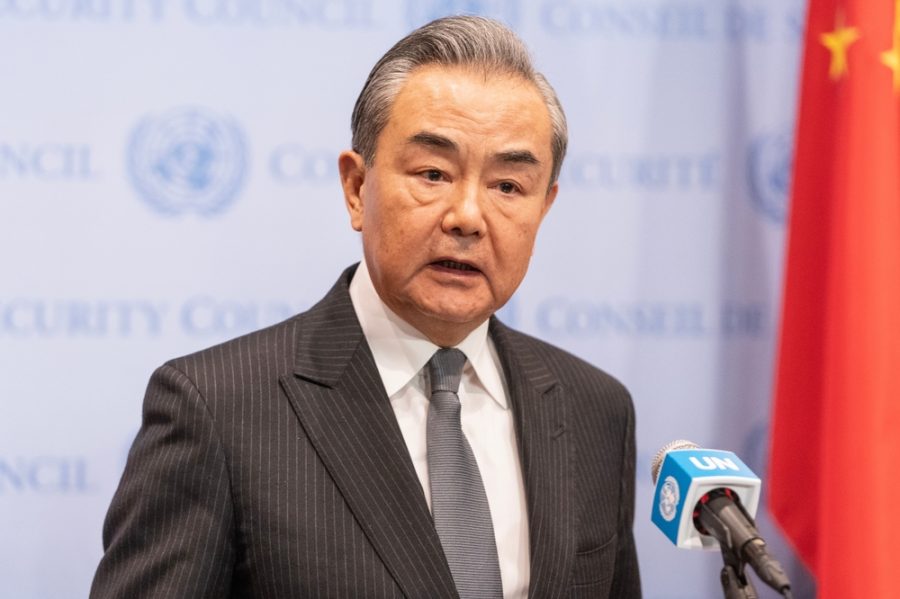
In parallel, Foreign Minister Wang Yi has been on the phone with counterparts from countries directly involved in or affected by the fighting, including Turkey, Egypt, Saudi Arabia, the UAE and Israel. Wang has consistently called for an immediate end to military operations, warning that unchecked escalation risks dragging the wider region into chaos and disrupting global energy flows. Chinese officials frame their approach as “objective and just,” stressing respect for sovereignty, opposition to collective punishment and support for political solutions shaped by regional states themselves.
Beijing’s current diplomacy builds on a track record that has raised expectations among regional actors. In 2023, China brokered the surprise normalisation agreement between Saudi Arabia and Iran, followed by Beijing‑hosted reconciliation talks among Palestinian factions in 2024. Analysts say these episodes gave China credibility as a go‑between that can talk to all sides, including governments wary of Western‑led mediation.
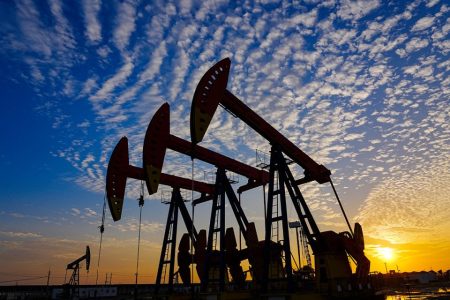
China’s stance is also shaped by concrete interests. The Middle East supplies a large share of its crude oil and sits astride key Belt and Road shipping lanes and infrastructure projects. Prolonged conflict threatens not only regional civilians but also trade routes and energy security across Eurasia, giving Beijing strong incentives to prevent a wider war.