Angola is embarking on a mission to reposition its coffee industry in international markets, with the National Coffee Institute of Angola (INCA) stressing that quality improvement is crucial to strengthen the nation’s standing. According to the Portuguese business weekly Jornal Economico, substantial work is necessary to bring production and export quality up to global requirements.
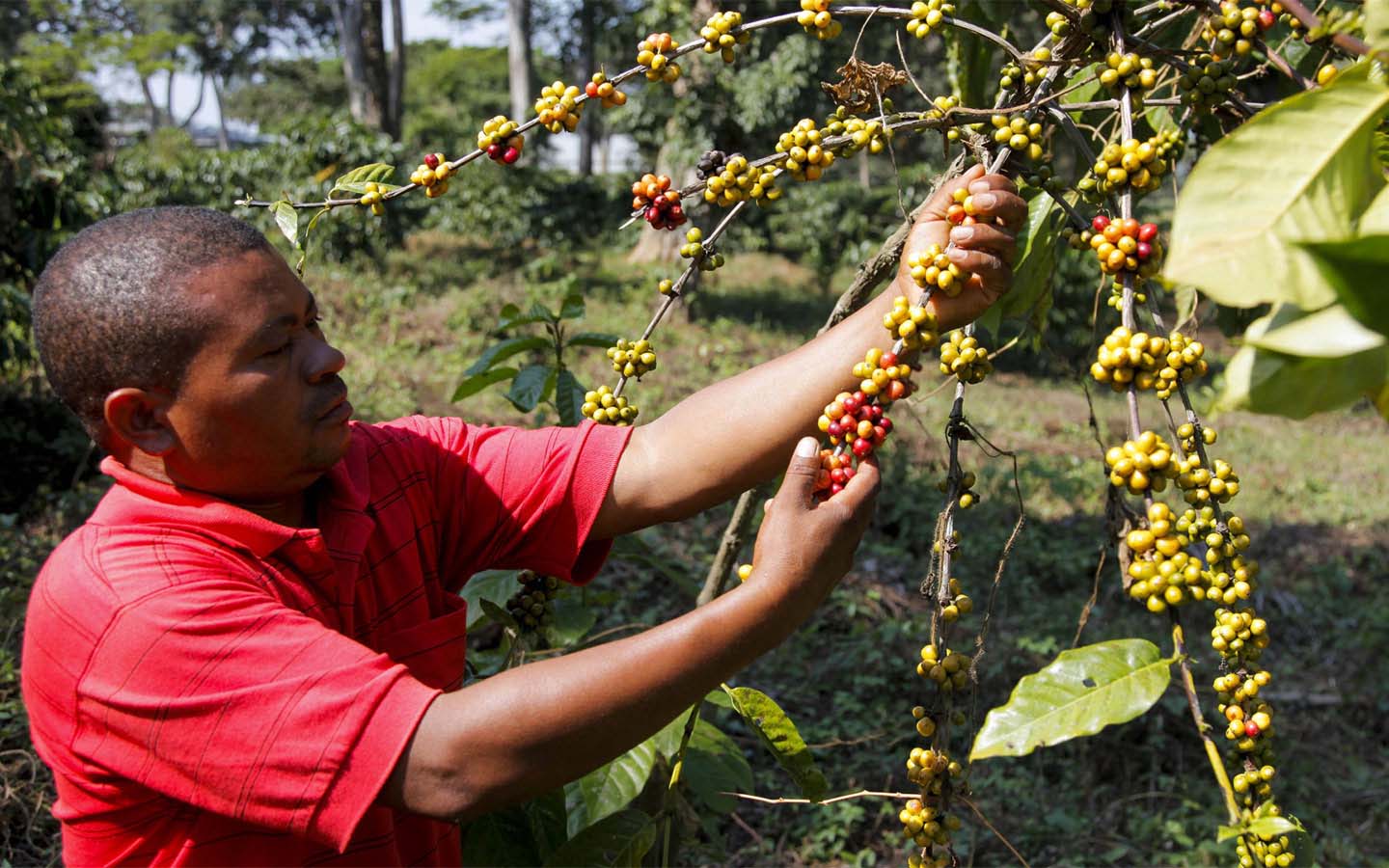
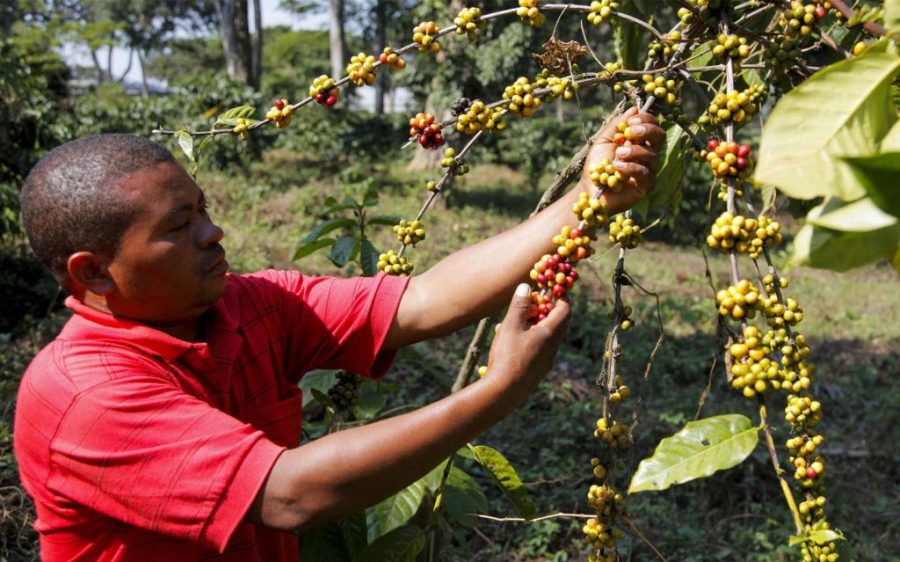
The current efforts involve eliminating harmful practices that compromise the final product. These include stopping the harvesting of unripe coffee cherries, preventing beans from being dried directly on the ground, and restricting the use of packaging materials that could lead to contamination.
Vasco Gonçalves, the director-general of INCA, stated that Angolan coffee is “not yet being exported at the highest possible quality level,” explaining that the country is currently at the second out of seven quality categories. He added that four additional levels of improvement must be achieved.
This drive to upgrade standards is being undertaken in collaboration with traders, exporters, and operators to ensure production methods align with international demands, Jornal Economico says.
[See more: Coffee and other goods from Portuguese-speaking countries promoted in Guangzhou]
Gonçalves’ comments were made on the sidelines of a workshop in Luanda focused on the Angolan Coffee Sector and the European Union Regulation on Deforestation-Free Products.
While the country has great productive and climatic potential, commercial coffee output in 2024 was only approximately 10,500 tonnes, a figure described as too low. Historically, during the final period of Portuguese colonial rule, which concluded in 1974, Angola boasted around 600,000 hectares under cultivation.
At its 1973 peak, the country produced approximately 240,000 metric tonnes of coffee across about 500,000 hectares, cementing its place as one of the world’s leading producers. Production remained exceptionally high in 1974, at roughly 228,000 metric tonnes. In stark contrast, only about 55,000 hectares are planted today. Gonçalves believes there is “substantial room for growth” by simply focusing on former coffee-growing areas, which means expansion would not necessitate deforestation.
Angola cultivates Arabica coffee in the provinces of Benguela, Huíla, Bié, Huambo, and parts of Malanje and Cuanza Sul. Robusta coffee is grown in Uíje, Cuanza Sul, Cuanza Norte, Bengo, and other parts of Malanje. Cultivation is also spreading into the country’s eastern regions. In 2024, the nation exported 3,288 tonnes of commercial coffee, generating US$12 million in revenue. The primary destinations for these exports were Portugal, Poland, and Italy.