National political advisors from Hong Kong and Macao have urged their respective cities to embrace opportunities arising from the nation’s 15th Five-Year Plan, reports China Daily.
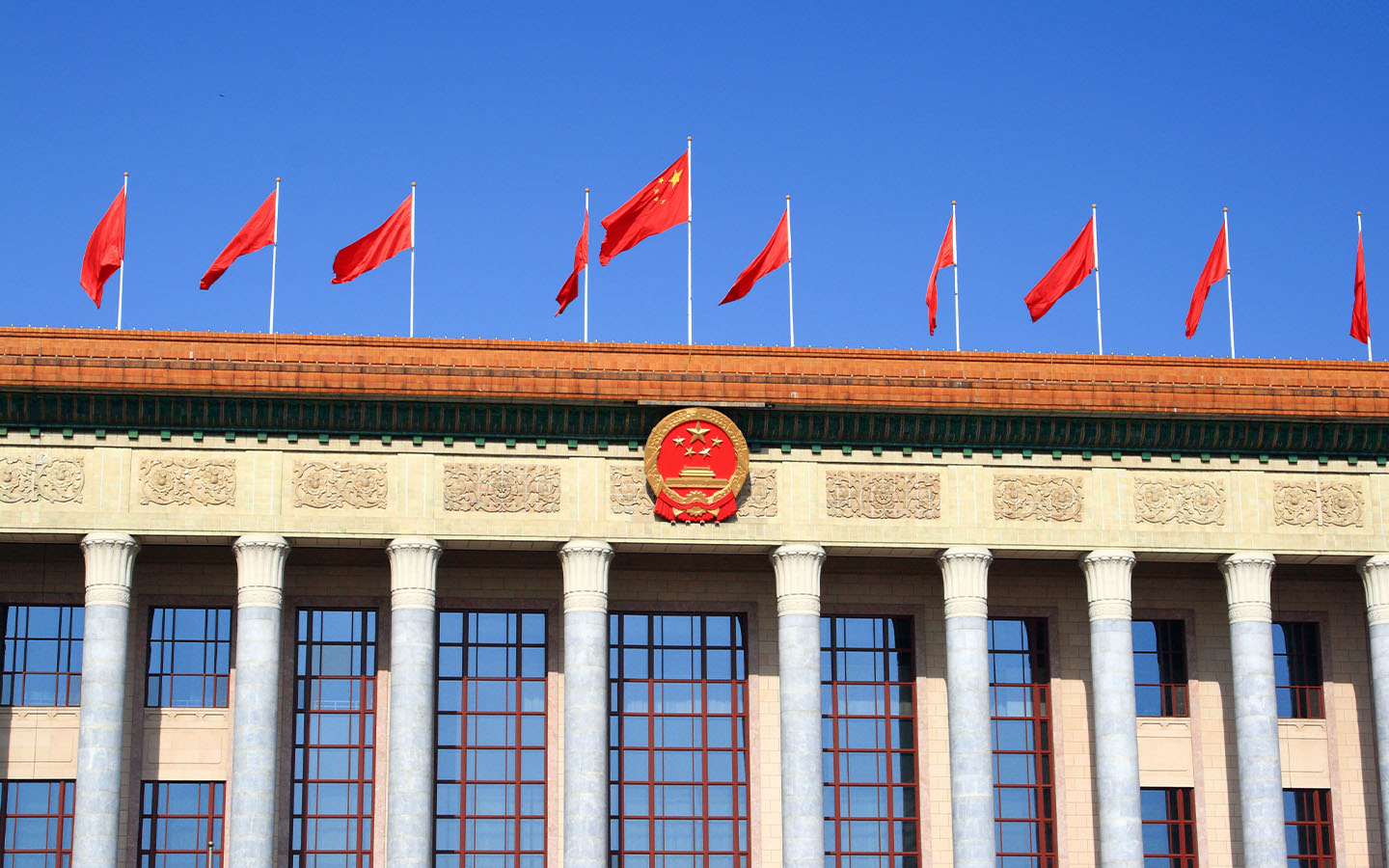
During a group interview ahead of the closing meeting of the fourth session of the 14th Chinese People’s Political Consultative Conference (CPPCC), the Hong Kong and Macao members of the CPPCC’s National Committee spoke to the benefits of strengthening integration into the country’s overall development.
Tu Haiming, vice-chairperson of the Committee on Liaison with Hong Kong, Macao, Taiwan and Overseas Chinese, urged Hong Kong to seize the moment without delay, highlighting several opportunity areas where the SAR could leverage its unique strengths to benefit national development.
Tu noted the city is well-positioned to serve as a launchpad for mainland enterprises going global, and a powerful engine for industrial innovation, able to inject financial momentum as the world’s third-largest international finance centre. Ability to attract more global capital could also boost the mainland’s green projects, while institutional strength could contribute to a range of efforts on the national level.
“It is Hong Kong’s bounden duty to better integrate itself into the country’s overall development,” he told reporters. He remarks cames as Chief Executive John Lee Ka-Chiu announced in an interview with China News Service that the SAR will create its first-ever five-year development plan to align with the nation’s 15th Five-Year Plan.
[See more: Guangdong eyes international future under 15th Five-Year Plan]
Macao member of the CPPCC National Committee Chen Jimin, who also serves as vice-chairwoman and secretary general of the university council at the Macau University of Science and Technology, took the opportunity to highlight one area where national integration has already benefited her city. Student enrollment in higher education has increased nearly seven-fold, she noted, with a sizable portion pursuing science and technology degrees. Macao universities also host far more scientific researchers, skyrocketing 176-fold from 13 to nearly 1,800.
Macao is able to raise a generation of young scientists, thanks to its four State Key labs and local universities, through participating in the nation’s projects, Chen said. Not only do those home-grown researchers enjoy greater opportunities and national pride, the concentration of scientific innovation acts as a beacon drawing top international talent to the GBA.
Ng Siu-lai, a deputy to the National People’s Congress (NPC) from Macao, speaking to China Daily on the sidelines of the two sessions, focused on how seizing future integration opportunities – particularly through Hengqin – could tangibly improve quality of life for many residents.