
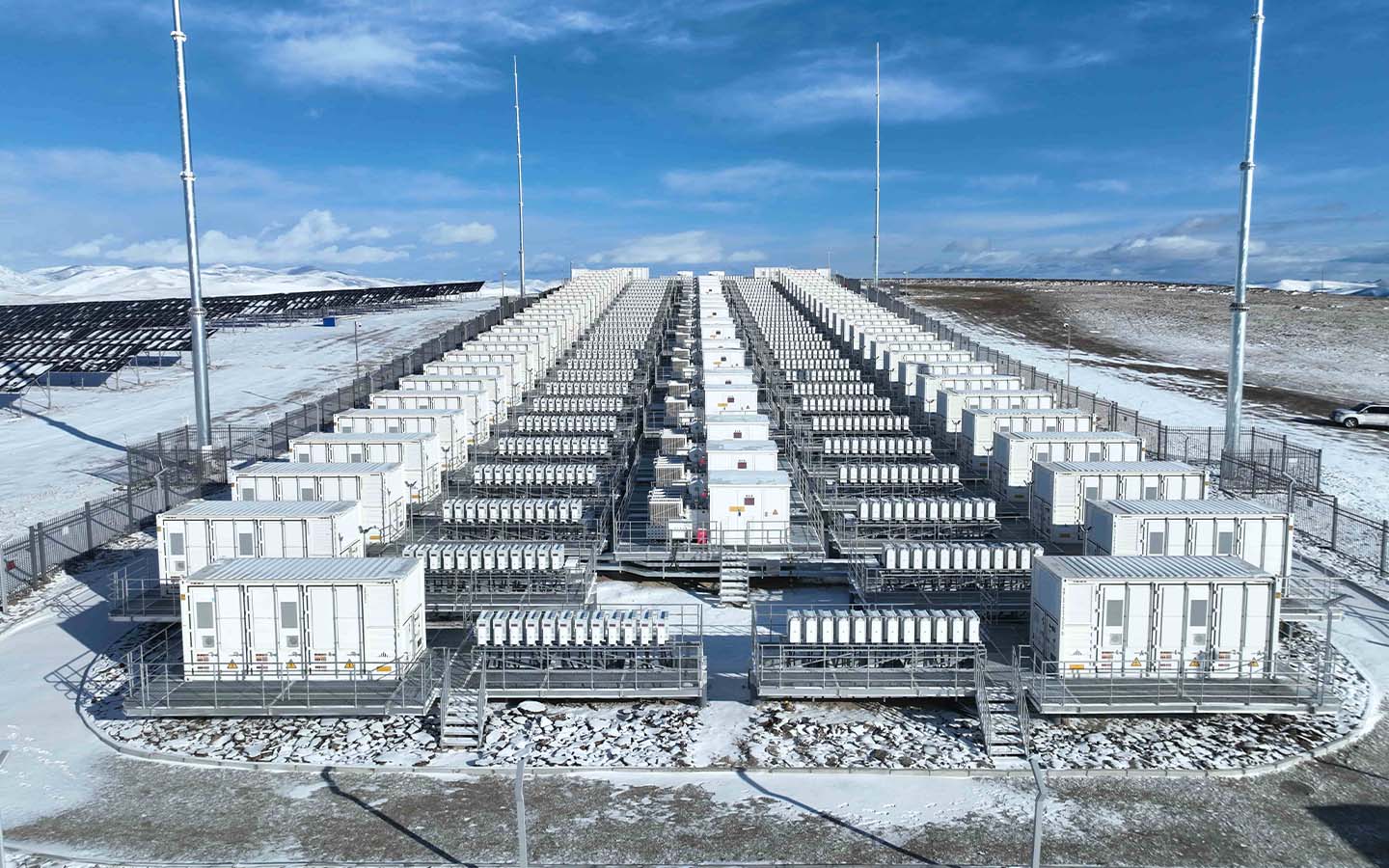
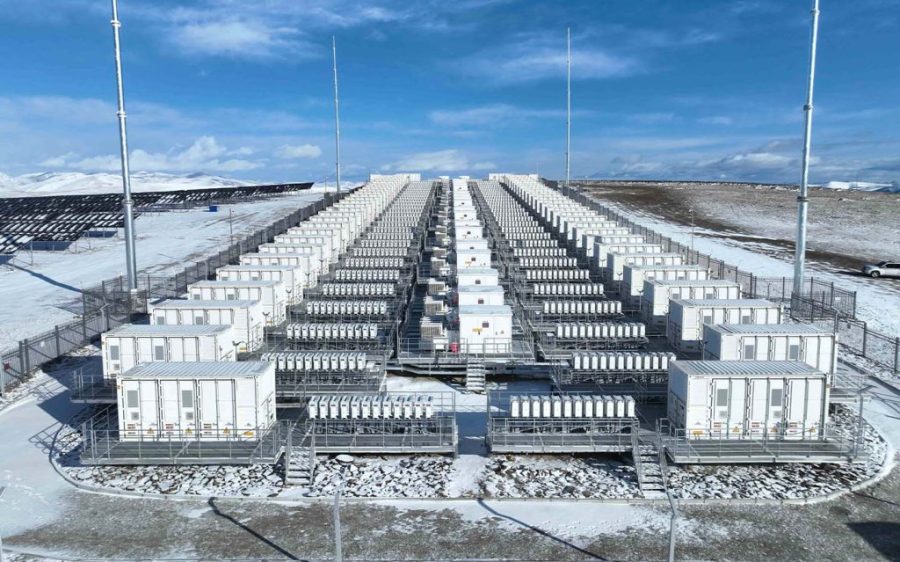
Chinese telecommunications company Huawei is set to implement four Battery Energy Storage System (BESS) projects across Brazil during 2026, according to a report by the business intelligence platform BNamericas.
These initiatives are designed to help Brazil modernise its isolated grids, integrate more renewables, and reduce its reliance on diesel. The overall goals include replacing diesel generation in remote locations, supporting the expansion of solar power, stabilising the national grid, facilitating the shift to electric transport, and cutting both emissions and subsidy costs.
One major initiative involves the island of Fernando de Noronha, off the coast of Pernambuco state, where a project is planned to completely decarbonise the area. This system is anticipated to generate approximately 1,083 megawatt-hours (MWh) per annum and reduce carbon dioxide emissions by 717 tonnes each year.
In São Paulo, Huawei is partnering with the city government and Matrix Energia to install BESS units within bus garages. This supports the municipality’s drive to cut public transport emissions by 50 percent by 2028 and completely eliminate them by 2038, using a fleet of 2,200 electric buses.
[See more: Chinese new energy vehicle manufacturers zero in on Brazil]
Further south, in Coronel Vivida, Paraná, a separate partnership with Matrix will see a 20 MWh system installed at a local substation managed by Pacto Energia. This particular development represents an investment of 30 million reais (US$6mn).
Meanwhile, in the Amazon region, Huawei and Aggreko are collaborating on a substantial project that includes installing 110 MWp of solar plants and 120 MWh of distributed battery capacity across 24 sites in Amazonas.
The total investment for this scheme is approximately 800 million reais (US$160 mn). This project is forecast to avoid more than 100,000 tonnes of CO₂ annually, save 35 million litres of diesel, and create considerable savings under Brazil’s fuel consumption subsidy scheme.
The company has previous experience in the region, having implemented an off-grid diesel-reduction system in the Amazon in 2025, alongside various on-grid storage projects for businesses and agribusinesses.