
Mexico has promised “no risk” to fans at soccer’s upcoming World Cup after the killing of a cartel kingpin triggered waves of violence.
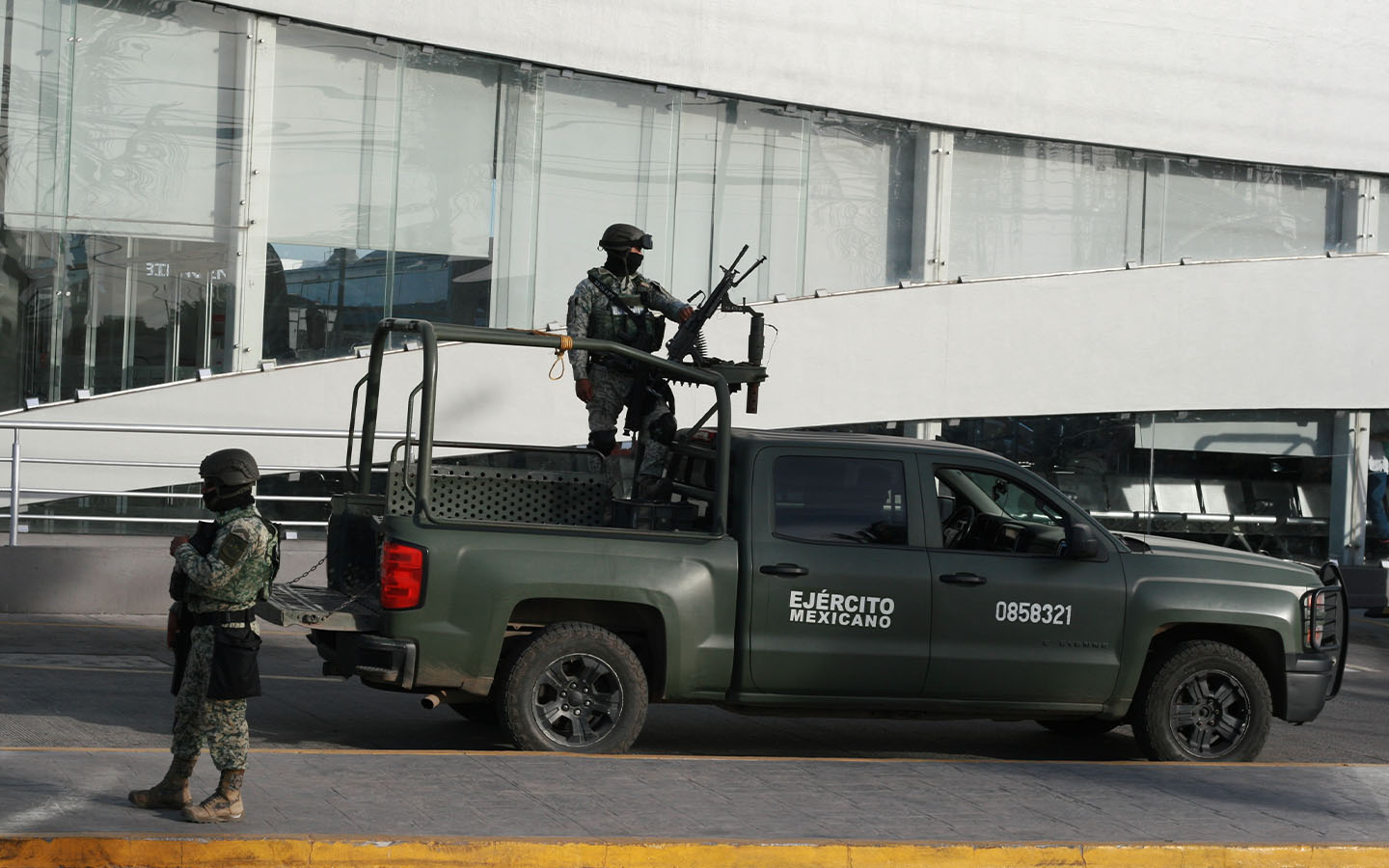
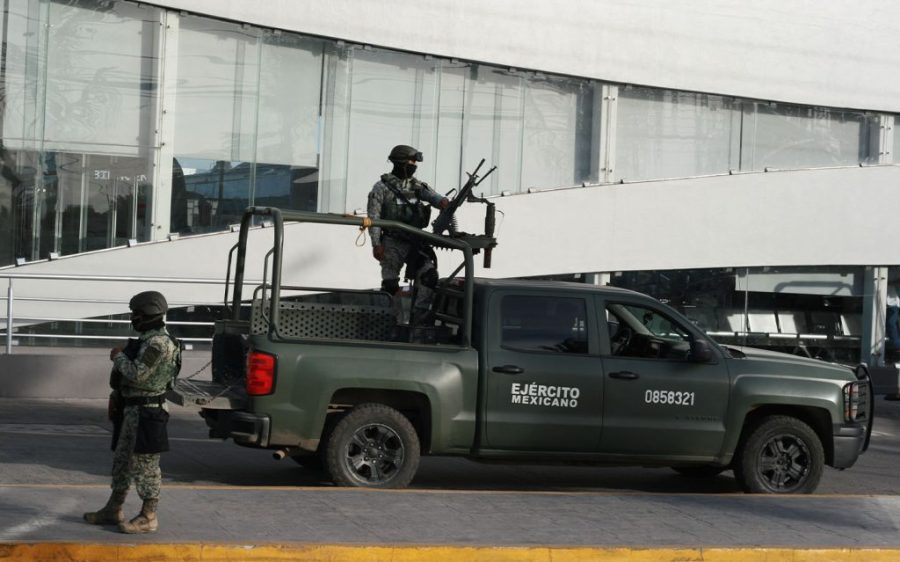
Nemesio Rubén Oseguera Cervantes – known as El Mencho and head of the Jalisco New Generation drug cartel, one of Mexico’s most feared criminal organisations – was killed in a dawn raid on Sunday. His death set off a wave of retaliatory violence as cartel members quickly took to the streets, blocking nearly 100 major roads and attacking national guard bases. At least 25 national guard members were killed and 14 wounded, along with 34 gunmen and one bystander.
Pictures and videos of torched vehicles, smoke pillowing over cities in black clouds, quickly spread around the world. Flights were cancelled, hotels locked down and several foreign governments warned affected citizens to shelter in place.
The grim picture raises questions about the 2026 FIFA World Cup, reports the Guardian. The tournament is scheduled to start in June, and Mexico is one of three host countries.
Mexican President Claudia Shienbaum insists that there is “no risk” to World Cup fans, offering “full guarantees” for their safety. Mexico City is scheduled to host five matches while Monterrey hosts four. Mexico’s remaining four matches of the summer tournament will be hosted in Guadalajara, the capital city of Jalisco State where the violence began.
[See more: Sepp Blatter backs calls for fans to avoid US matches at the 2026 World Cup]
While much of the violence had died down by Monday, local media reports that several rural municipalities in Jalisco experienced episodes of violence over the night on Monday.
Most experts expect a period of some instability following the killing as different factions vie for control of the now leaderless cartel. If it fragments into smaller, more opportunistic factions, the restraint that has largely kept cartel violence out of tourist areas could erode. But experts agree that attacking tourists doesn’t “make sense” for cartels, who often benefit economically from tourism through their restaurants and hotels.
Guadalajara and the resort city of Puerto Vallarta began gradually reopening this week, Shienbaum assuring that “little by little, the situation [in Jalisco] is returning to normal.”
FIFA said it was “closely monitoring” the situation in Mexico on Tuesday, a spokesperson saying that soccer’s governing body remains “in constant communication with the authorities.”
“Very reassured, everything’s good. It’s going to be spectacular,” FIFA head Gianni Infantino told AFP.